Why Our Diets Aren't as Animal-Friendly as We Think
Today, many people claim that their diets are animal-friendly by choosing plant-based options, believing that they cause less harm. However, this is not the complete picture. The truth is that all diets, even those that exclude animal products, have significant impacts on animal life and the environment.
The Myth of the Cruelty-Free Diet

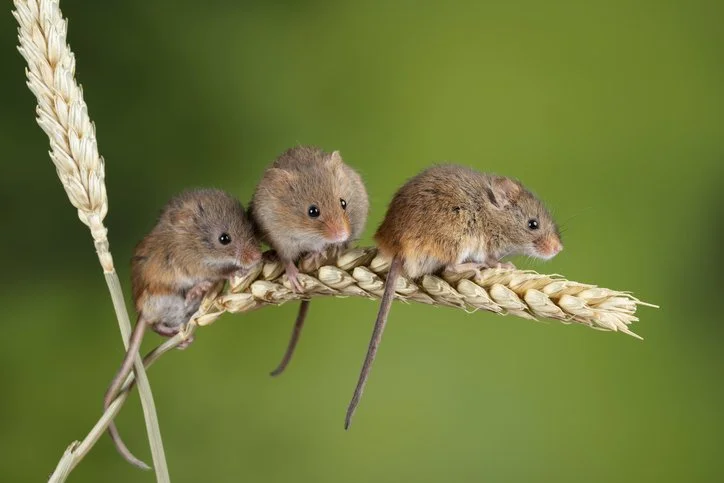
While plant-based diets are promoted for their ethical benefits, the agricultural practices required to sustain them often result in the unintentional killing of numerous animals. According to the article "Why humans kill animals and why we cannot avoid it" (Allen et al., 2023), humans kill animals for various reasons, including food acquisition, agriculture, and urbanization. These practices are integral to our survival but inevitably lead to the loss of animal life. For example, the cultivation of crops can destroy habitats and kill countless small animals such as insects, rodents, and birds. Pesticides and machinery used in farming also contribute to this toll.
Hierarchy of Animal Life
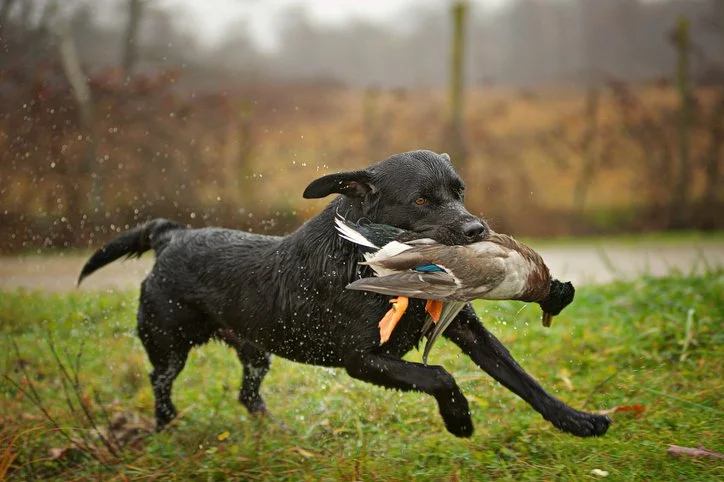
Humans tend to place animals in a hierarchy, valuing the lives of certain animals more than others. For instance, pets like dogs and cats are often cherished, while farm animals such as cows and chickens are seen primarily as food sources. This hierarchy extends to wildlife, where charismatic species like pandas receive more conservation attention than less appealing ones like insects or reptiles. This selective empathy raises ethical questions about our relationship with animals and the consistency of our moral standards.
The Overlooked Value of Plant Life

In discussions about ethical eating, the value of plant life is frequently overlooked. Plants are living organisms with complex interactions within their ecosystems. They communicate through chemical signals, form symbiotic relationships with other species, and play crucial roles in maintaining environmental balance. While plants do not have nervous systems or pain receptors like animals, their intrinsic value and ecological importance warrant consideration in ethical debates.
The Reality of the Food Web
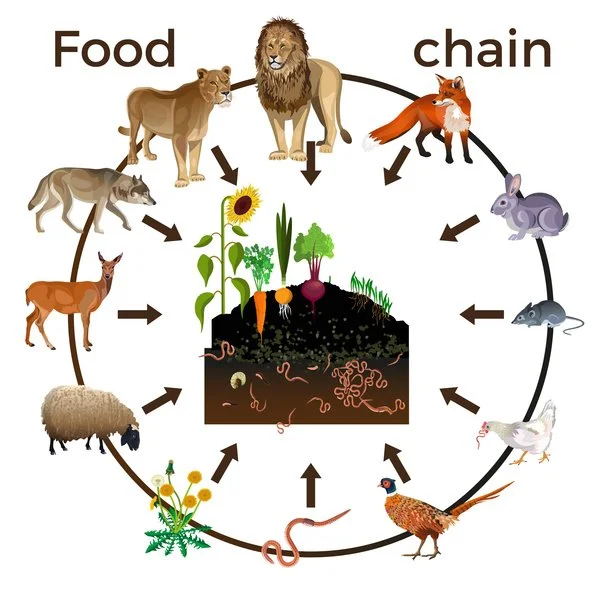
One fundamental truth is that all life feeds off other life. Whether we consume plants or animals, we are part of a global food web that involves the transfer of energy through consumption. This interconnectedness means that avoiding harm to living beings entirely is impossible. The key, then, is to strive for humane treatment and sustainable practices that minimize suffering and ecological damage.
Humane Treatment and Ethical Killing
Acknowledging the inevitability of killing in our diets, it becomes crucial to focus on the humane treatment of animals. Temple Grandin's work in designing more humane livestock handling systems provides an exemplary model. Grandin's systems aim to reduce stress and suffering for animals up until the point of slaughter. Her innovations, such as curved chutes and calming environments, have significantly improved animal welfare in the meat industry.
Conclusion
While the idea of a cruelty-free diet is appealing, the reality is more complex. All forms of food production involve some level of harm to animal and plant life. Recognizing this, we must aim for humane and sustainable practices that reduce suffering and respect the interconnectedness of life. By valuing all forms of life and striving for ethical treatment, we can make more informed and compassionate choices in our diets.
For a deeper understanding of the necessity and context of human-animal interactions, including killing, you can refer to the full article by Allen et al., 2023, published in the Journal of Science of the Total Environment.
Sources:
Allen, B. L., et al. "Why humans kill animals and why we cannot avoid it." Journal of Science of the Total Environment (2023). DOI: 10.1016/j.scitotenv.2023.165283
Grandin, T. "Livestock handling and transport." 4th edition. CABI, 2014.