Gaseous Truths: A Deep Dive into Flatulence Science and Smell
The Science of Flatulence

Flatulence occurs when gases, produced during digestion or swallowed during eating, are expelled through the rectum. The average person produces 0.5 to 1.5 liters of intestinal gas daily, with most individuals passing gas 5 to 20 times per day. This gas is a mixture of nitrogen (from swallowed air), carbon dioxide, methane, hydrogen, and trace amounts of sulfur-containing gases, such as hydrogen sulfide, which contribute to the odor. The composition and volume of gas in the gut depend on diet, gut microbiota, and individual physiology.
The Digestive Process and Gas Production
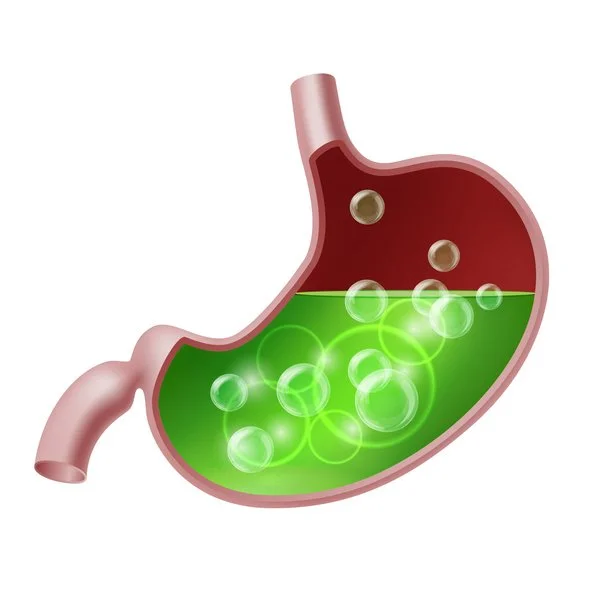
Gas in the digestive tract arises from three primary sources:
Swallowed Air (Aerophagia): Air ingested while eating, drinking, or chewing gum contributes significantly to intestinal gas. Most of this air is expelled through burping, but some of it travels to the intestines, contributing to flatulence.
Bacterial Fermentation: The gut microbiome, consisting of trillions of bacteria in the large intestine, ferments undigested carbohydrates (e.g., fiber, starches, and sugars). This process produces hydrogen, carbon dioxide, and, in about 30–50% of people, methane.
Chemical Reactions: Digestive processes, such as the neutralization of stomach acid by pancreatic bicarbonate, can release carbon dioxide, contributing to the buildup of gas.
Foods high in fermentable carbohydrates, such as beans, lentils, broccoli, cabbage, and whole grains, are notorious for increasing gas production. These contain complex sugars, such as raffinose and fructans, which humans lack the enzymes to digest, allowing them to be fermented by bacteria in the colon.
What Is Normal Flatulence?

Normal flatulence varies widely among individuals. Studies suggest that passing gas 5 to 20 times daily is within the healthy range, although this frequency can increase with high-fiber diets or after consuming foods that produce gas. The volume of gas (0.5–1.5 liters) and frequency are influenced by:
Diet: High-fiber, high-carbohydrate diets increase gas production due to fermentation.
Gut Microbiota: The composition of gut bacteria varies, influencing the amount of gas produced and the presence of methane.
Eating Habits: Rapid eating or drinking through straws increases the amount of air swallowed, leading to more frequent flatulence.
Normal flatulence is typically painless and odorless or mildly odorous. The odor, when present, results from trace sulfur compounds, such as hydrogen sulfide, methanethiol, and dimethyl sulfide, produced by bacteria metabolizing sulfur-containing amino acids (e.g., those found in proteins like eggs or meat).
Holding in Flatulence

Holding in flatulence, while sometimes socially necessary, is a normal and generally harmless behavior, though it can cause discomfort. When gas is not expelled, it may accumulate in the intestines, leading to bloating, cramping, or a feeling of pressure. The body is designed to handle this temporary retention, as the rectal sphincter can prevent gas release until an appropriate time. However, prolonged or frequent holding of gas may exacerbate discomfort or contribute to minor distension in the colon. In rare cases, excessive gas retention can aggravate existing gastrointestinal conditions; however, for most people, releasing gas when comfortable resolves these symptoms without issue.
What Is Abnormal Flatulence?
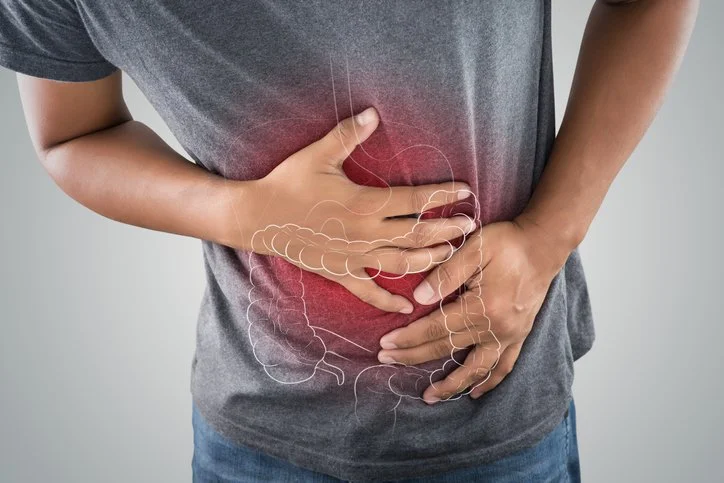
Abnormal flatulence is characterized by excessive frequency, volume, or discomfort, often accompanied by symptoms like bloating, abdominal pain, or changes in bowel habits. Potential causes include:
Dietary Intolerance: Lactose intolerance, fructose malabsorption, or sensitivity to artificial sweeteners (e.g., sorbitol, mannitol) can lead to excessive gas. For example, lactose-intolerant individuals lack lactase, the enzyme necessary to digest lactose, resulting in the fermentation of lactose in the colon.
Gastrointestinal Disorders:
Irritable Bowel Syndrome (IBS): IBS can cause heightened sensitivity to normal gas volumes, leading to discomfort and frequent flatulence.
Small Intestinal Bacterial Overgrowth (SIBO): Excessive bacteria in the small intestine ferment carbohydrates prematurely, increasing gas production.
Celiac Disease or Gluten Sensitivity: Malabsorption of gluten damages the small intestine, leading to bloating and gas.
Gastroparesis: Delayed stomach emptying can cause gas to be trapped, leading to increased flatulence.
Medications: Certain drugs, such as antibiotics or metformin, can disrupt the gut microbiota or digestion, leading to increased gas production.
Structural Issues: Rarely, obstructions (e.g., tumors or strictures) or motility disorders can cause gas accumulation.
Excessive flatulence accompanied by weight loss, diarrhea, blood in stool, or persistent pain warrants medical evaluation, as it may indicate serious conditions like inflammatory bowel disease or colorectal cancer.
The Science of Fart Odor

The characteristic smell of flatulence arises from sulfur-containing compounds, which constitute less than 1% of flatus but are potent odorants. Hydrogen sulfide, with its rotten-egg smell, is the primary culprit, followed by methanethiol (cabbage-like) and dimethyl sulfide (sweet, sulfurous). These compounds are produced when gut bacteria metabolize sulfur-rich foods, such as:
Cruciferous vegetables (broccoli, cauliflower, cabbage)
Eggs and meat (high in sulfur-containing amino acids like cysteine and methionine)
Garlic and onions
Odor intensity varies based on diet and microbiota. For instance, a diet high in sulfur-rich foods increases hydrogen sulfide production, whereas carbohydrate-heavy diets produce more odorless gases, such as hydrogen and methane. Interestingly, methane producers (about 30–50% of the population) may have less odorous flatulence, as methane is odorless and dilutes sulfur compounds.
Factors Influencing Flatulence Odor

Dietary Choices: Reducing sulfur-rich foods or fermentable carbohydrates can decrease odor and gas volume. For example, a low-FODMAP diet, which limits fermentable oligosaccharides, disaccharides, monosaccharides, and polyols, is often recommended for IBS patients to reduce flatulence.
Gut Microbiota Diversity: A balanced microbiome produces less offensive gas. Dysbiosis, or microbial imbalance, can lead to increased production of sulfur gas.
Transit Time: Slower gut motility allows more time for bacterial fermentation, resulting in increased gas volume and odor.
Managing Flatulence

For most people, flatulence is a normal part of digestion and requires no intervention. However, to reduce excessive or odorous flatulence:
Dietary Adjustments: Identify and limit trigger foods (e.g., beans, dairy, or high-sulfur foods) to manage symptoms. Gradual increases in dietary fiber can help the gut adapt, reducing gas.
Probiotics and prebiotics can modulate gut microbiota, potentially reducing gas production; however, the evidence is mixed.
Enzyme Supplements: Lactase supplements for lactose intolerance or alpha-galactosidase (e.g., Beano) for complex carbohydrates can minimize gas.
Lifestyle Changes: Eating slowly, avoiding carbonated drinks, and engaging in regular physical activity can help reduce swallowed air and improve gut motility.
For persistent or painful flatulence, consulting a gastroenterologist is advisable. Diagnostic tools, such as breath tests (for lactose intolerance or SIBO), imaging, or endoscopy, can help identify underlying causes.
Cultural and Social Perspectives

While flatulence is a biologically normal phenomenon, its social perception varies. In many cultures, farting is considered embarrassing, leading to stigma around discussing it openly. However, understanding its normalcy, including the act of holding it in, can reduce anxiety. Public health campaigns, such as those promoting gut health, are gradually normalizing conversations about flatulence, highlighting its role as a marker of digestive function.
Conclusion
Flatulence is a natural byproduct of digestion, reflecting the interplay of diet, gut microbiota, and physiology. Normal flatulence—5 to 20 episodes daily with minimal odor—is a sign of a healthy digestive system, and holding it in, while uncomfortable, is a common and generally benign practice. Abnormal flatulence, characterized by excessive frequency, discomfort, or a foul odor, may indicate dietary issues or underlying medical conditions that require attention. The odor, driven by sulfur compounds, is influenced by diet and microbial activity, making dietary adjustments a key strategy for management. By embracing the science of flatulence, we can demystify this universal process, fostering a healthier relationship with our bodies.