The Normalcy of Pain
As a dentist, my primary mission is to ensure my patients’ oral health, which often involves addressing pain, whether it’s acute discomfort from a dental problem or chronic issues stemming from orofacial conditions. Pain is a universal experience, but its intensity and perception vary widely, even among healthy individuals with no underlying medical conditions. I have written about it before, and you can read my take here. In my practice, I encounter patients of all ages and backgrounds seeking relief from dental pain, from routine toothaches to post-procedure discomfort. My team and I employ a range of strategies, including precise diagnostics, non-opioid analgesics like NSAIDs, and patient education, to manage pain effectively while minimizing risks. Understanding the baseline pain levels in healthy individuals across different ages and sexes helps me tailor treatments, set realistic expectations, and provide compassionate care. This knowledge is especially critical in dentistry, where pain can significantly impact quality of life, and our interventions aim to restore comfort and function swiftly.
The Omnipresence of Pain

I find very few of my patients are totally healthy. As a result, most of them are at relatively high levels of pain. This post, however, is about healthy patients. Next week, I will cover the average unhealthy American’s difficulties with pain. Pain is a deeply personal experience, shaped by biological, psychological, and social factors. For healthy individuals—those without chronic medical conditions or injuries—pain is typically minimal and transient, often arising from everyday activities like exercise or minor bumps. However, even in health, pain perception can differ significantly across age groups and sexes, influencing how we, as dental professionals, approach pain management. This post explores the average pain levels in healthy people, with a focus on age and sex differences, and connects these insights to our role in addressing dental pain. Drawing from general health research and dental studies, we aim to provide a comprehensive guide to what “normal” pain looks like and how we help patients achieve relief.
Pain in Healthy Individuals: The Baseline
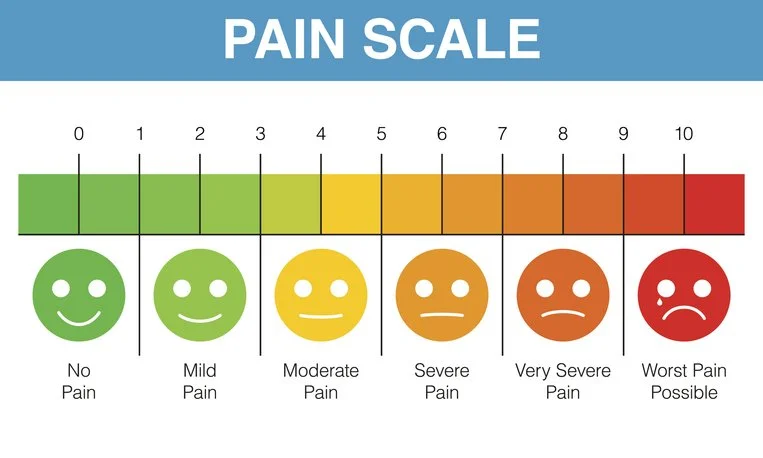
In healthy individuals, chronic pain is rare, and most discomfort is short-lived, typically rating 0–3 on a 0–10 Numeric Rating Scale (NRS), where 0 indicates no pain and 10 represents the worst imaginable pain. Transient pain may stem from physical exertion, minor injuries, or, in the dental context, dental problems, procedures such as extractions, or, occasionally, routine cleanings. Pain perception is subjective and influenced by factors such as pain tolerance, cultural norms, and psychological state. As dentists, we utilize tools to accurately assess pain accurately, ensuring tailored interventions. Understanding baseline pain levels helps us distinguish normal sensations from pathological ones, guiding our treatment plans.
Pain Levels by Age Group

Children (Ages 0–12): Healthy children typically report pain levels of 0–1 on the Numerical Rating Scale (NRS). Minor discomfort may arise from growing pains (1–3/10, often in the legs) or dental issues, such as teething or cavities. In my practice, we see children who experience brief pain during procedures, which we manage with local anesthetics and child-friendly explanations to reduce anxiety. Pain in this group resolves quickly, and healthy children rarely experience chronic pain.

Adolescents (Ages 13–18): Teens report slightly higher pain levels, averaging 0–2, due to increased physical activity (e.g., sports-related muscle soreness) or dental issues, such as orthodontic adjustments. Girls may experience menstrual pain (2–4/10), which can overlap with orofacial discomfort. Boys may report pain from sports injuries. In dental care, we address adolescent pain with non-opioid analgesics like ibuprofen, which studies show are effective for post-procedure pain.

Young Adults (Ages 19–40): Healthy young adults typically experience 0–2 pain levels. Exercise-induced soreness or tension headaches (1–3/10) are common, while women may report menstrual pain (2–5/10). In dentistry, young adults may seek care for wisdom tooth extractions or toothaches, where pain can spike briefly (3–5/10) but resolves with proper management. We prioritize non-opioid medications, as research supports their efficacy and safety for acute dental pain.

Middle-Aged Adults (Ages 41–60): Pain levels in this group range from 0 to 3, with minor aches from aging joints or muscles becoming more frequent. Women in perimenopause may report increased pain sensitivity due to hormonal changes. In my practice, middle-aged patients often present with orofacial pain from conditions like temporomandibular disorders (TMD), which affect women more frequently. We use a combination of analgesics, physical therapy, and stress management to address these issues.

Older Adults (Ages 61+): Healthy older adults typically report 1–3 pain levels due to age-related changes, such as joint stiffness or reduced muscle mass. Dental pain, such as that caused by dentures or periodontal issues, may also occur. Women may experience slightly higher pain due to conditions like osteoporosis, though not severe in healthy individuals. Our approach includes gentle procedures and non-opioid pain relief to ensure comfort.
Sex Differences in Pain Perception

Research consistently shows that women report slightly higher pain levels than men, even in health, due to hormonal, physiological, and psychosocial factors. Women are more likely to experience chronic pain conditions like migraines or TMD (2–3 times higher prevalence), which can influence orofacial pain. A 2024 study found women rely on non-opioid pathways for pain relief, unlike men, who use endogenous opioids, explaining why women may respond less to certain analgesics. In dental practice, we account for these differences by adjusting pain management strategies, ensuring women receive adequate relief without over-relying on opioids.
Men, conversely, may underreport pain due to cultural expectations of stoicism, rating discomfort lower (0–2/10) even when symptoms match women’s. Studies suggest men are more likely to receive aggressive pain treatment, which we counteract by using evidence-based, sex-neutral guidelines. In our clinic, we assess pain individually, avoiding biases that could lead to under- or overtreatment.
My Approach to Dental Pain
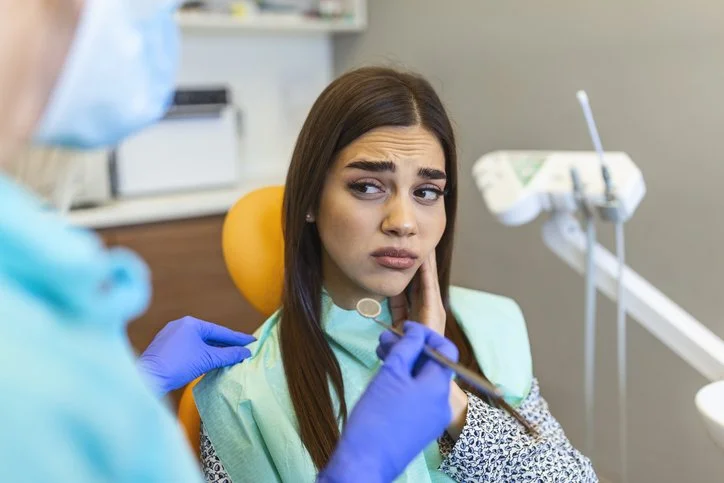
Dental pain, even in healthy individuals, can be significant, especially post-procedure. A 2015 study of Nigerian dental patients found that orofacial pain varies widely, with no condition being universally painless, emphasizing the need for individualized assessment. For acute dental pain (e.g., after extractions), I follow guidelines recommending NSAIDs or acetaminophen over opioids due to their superior efficacy and safety. Patient education is key: I explain what to expect, provide clear post-procedure instructions, and monitor recovery.
For chronic orofacial pain, such as in TMD or burning mouth syndrome (BMS), women are disproportionately affected, particularly post-menopause. A 2024 study on BMS found no significant pain score differences between sexes, but women sought care more frequently, highlighting the need for proactive management. We address these conditions with a multidisciplinary approach, combining medication, stress reduction, and, when necessary, referrals to specialists.
Conclusion
Understanding the average pain levels in healthy individuals—typically ranging from 0 to 3 on the Numerical Rating Scale (NRS), which varies by age and sex—helps us provide better dental care. Children and young adults experience minimal pain, while older adults and women may report slightly higher levels due to physiological changes. As dentists, we use this knowledge to tailor pain management, prioritizing non-opioid solutions and patient-centered care. By addressing pain with precision and empathy, we help our patients maintain comfort and quality of life, whether they’re dealing with a routine procedure or a complex orofacial condition. If you are experiencing dental pain, contact your dentist promptly, as timely treatment is crucial for minimizing discomfort.