Gallstones Uncovered: Can a High-Fat Diet Protect Your Gallbladder
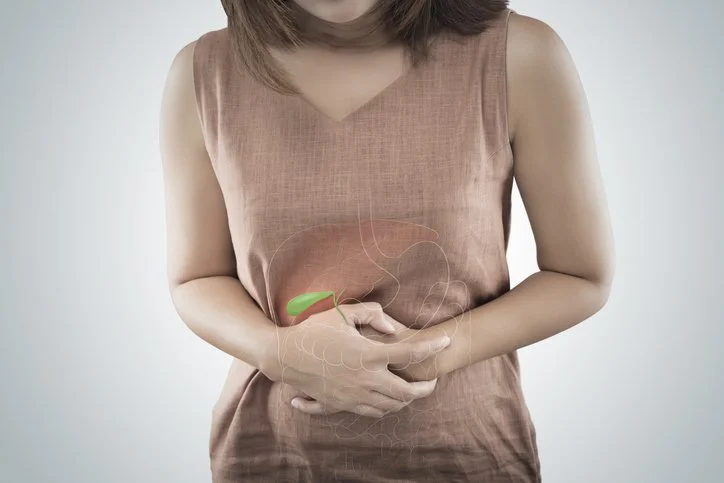
Gallstones are solid particles that form from bile components, primarily cholesterol or bilirubin, in the gallbladder. They range in size from tiny grains to golf ball-sized masses, causing symptoms like abdominal pain, nausea, and jaundice when they block bile ducts. According to the National Institute of Diabetes and Digestive and Kidney Diseases (NIDDK), about 10-15% of adults in the United States have gallstones, with women being twice as likely to develop them due to hormonal factors like estrogen, which increases cholesterol secretion in bile.
Key risk factors for gallstones include obesity, rapid weight loss, diabetes, and a sedentary lifestyle. However, diet plays a pivotal role, particularly the amount of fat consumed. While it’s intuitive to assume high-fat diets would worsen gallstone risk due to cholesterol, the reality is more complex. The gallbladder’s function—storing and releasing bile to digest fats—means dietary fat intake directly influences its activity, and low-fat diets may disrupt this process.

Low-fat diets, popularized for weight loss and heart health, can inadvertently harm the gallbladder. The gallbladder contracts and empties bile into the small intestine when dietary fats are consumed, aiding fat digestion. On a low-fat diet, the gallbladder is rarely stimulated to contract, leading to infrequent emptying. This stagnation allows bile to sit longer, increasing the likelihood of cholesterol crystallizing into gallstones.
A 2005 study published in The American Journal of Clinical Nutrition found that low-fat diets, particularly those with less than 20% of calories from fat, were associated with a higher incidence of gallstones in women. The study suggested that reduced gallbladder motility due to low fat intake promotes bile stasis, a key factor in stone formation. Similarly, rapid weight loss through very low-fat diets (common in crash dieting) can exacerbate this issue. When the body burns fat stores quickly, it releases excess cholesterol into bile, further increasing gallstone risk.
Another mechanism involves bile composition. Low-fat diets often lead to higher carbohydrate intake, which can elevate insulin levels. Elevated insulin may increase cholesterol saturation in bile, making it more prone to forming stones. A 2010 review in Hepatology noted that insulin resistance, common in low-fat, high-carb dieters, is a significant risk factor for cholesterol gallstones.
High-Fat Diets: A Protective Effect?
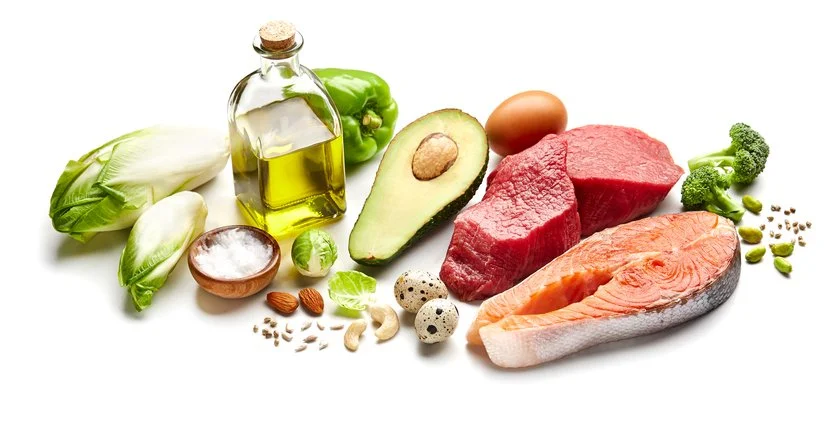
Contrary to popular belief, high-fat diets may reduce gallstone risk by promoting regular gallbladder emptying. When you consume adequate dietary fat, the gallbladder contracts frequently, preventing bile from stagnating and reducing the chance of stone formation. Healthy fats, such as those from olive oil, avocados, and nuts, stimulate bile release effectively without overwhelming the system.
A landmark 2000 study in The New England Journal of Medicine examined dietary patterns and gallstone risk in over 45,000 men over eight years. It found that men with higher fat intake, particularly from unsaturated fats, had a lower risk of gallstones compared to those on low-fat diets. Monounsaturated and polyunsaturated fats were especially protective, likely due to their role in maintaining bile fluidity and promoting gallbladder motility.
Another study, published in Gut in 2004, explored the Mediterranean diet, which is rich in olive oil and omega-3 fatty acids. Participants following this high-fat diet had a significantly lower incidence of gallstones compared to those on low-fat regimens. The researchers attributed this to regular gallbladder contractions and reduced bile cholesterol saturation, highlighting the protective role of healthy fats.
However, not all fats are equal. Diets high in trans fats or saturated fats from processed foods may still increase gallstone risk by raising blood cholesterol levels, which can translate to higher bile cholesterol. The key is moderation and choosing high-quality fats over processed ones.
Diet for Gallbladder Health
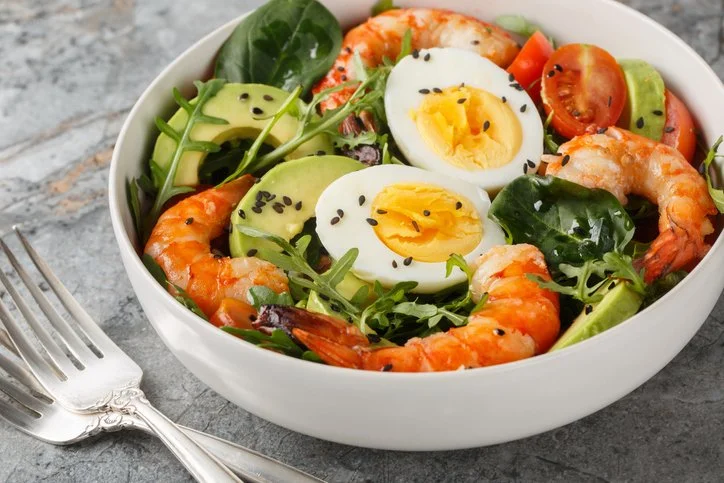
To minimize gallstone risk, aim for a diet that includes healthy fats while avoiding processed carbohydrates and seed oils. Here are practical tips based on current research:
Incorporate Healthy Fats: Include sources like olive oil, avocados, fatty fish, meat, and nuts in your diet.
Avoid Crash Diets: Rapid weight loss from very low-fat diets increases gallstone risk. Aim for gradual weight loss (1-2 pounds per week) to minimize cholesterol surges in bile.
Eat Fiber-Rich Foods: Soluble fiber from oats, fruits, and vegetables can reduce bile cholesterol levels, lowering gallstone risk.
Stay Hydrated: Adequate water intake supports bile fluidity and overall digestive health.
Limit Refined Carbs: High-sugar, high-carb diets can increase insulin levels, contributing to gallstone formation.
If you have a history of gallstones or are at risk, consult a healthcare provider before making dietary changes. They may recommend imaging tests like an ultrasound to check for stones or assess gallbladder function.
Conclusion
Gallstones are a complex condition influenced by multiple factors, with diet playing a critical role. While low-fat diets are often promoted for health, they can increase gallstone risk by causing infrequent gallbladder emptying and bile stasis. Conversely, studies show that high-fat diets may protect against gallstones by promoting regular gallbladder contractions and maintaining bile fluidity. By adopting a diet with healthy fats, fiber, and moderate weight loss, you can support gallbladder health and reduce your risk of gallstones. Always consult a healthcare professional for personalized advice, especially if you’re experiencing symptoms like abdominal pain or digestive issues.