What Normal Aging Feels Like and How to Work With It
healthy aging, turning 65, sarcopenia, senior fitness, balance training, strength training for seniors, nutrition for aging, aging gracefully, physical changes with age, adapting to aging

I am turning 65 today, and I am finally realizing that getting old is real—even though I spent decades doing everything I could to stave it off. For a long time, I pushed through workouts and adventures the same way I always had. Lately, though, I’ve noticed the difference. I’m slower on my sprints. My joints often feel stiffer in the mornings. I’m a little weaker when I lift something heavy. My stamina isn’t what it used to be, and I need more sleep to feel recovered. My balance feels a touch less reliable. Don’t get me wrong—I still have plenty of strength and stamina. I do all the things I want to do. But I have less incentive to push things to the limit because I know I may need additional recovery time and could even injure myself if I ignore the signals.
These changes didn’t arrive overnight, but they are too consistent to ignore. The good news is that while some decline is inevitable, much of what we experience is manageable—and much of it can be slowed or mitigated. Medical experts describe the normal physiological shifts that begin accelerating around age 65 as part of healthy aging rather than disease.¹

One of the most noticeable changes is sarcopenia—the progressive loss of muscle mass, strength, and function that accompanies aging. You can read more about it in my two previous posts here and here. I have not experienced it as much as most, but it is there. After about age 40, we lose roughly 1–2 % of our strength per year; the pace quickens after 65, and we can lose as much as 8 % of muscle mass per decade between 65 and 80.² Type II (fast-twitch) muscle fibers shrink and disappear first, which explains why explosive movements such as sprints and quick recoveries feel harder. At the same time, bones lose density and size, raising the risk of osteopenia or osteoporosis and making fractures more likely if we fall.³
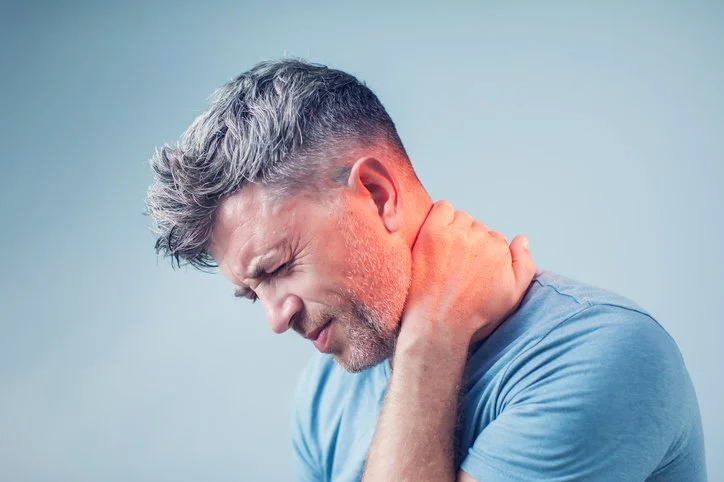
Flexibility and joint mobility decline as cartilage thins and connective tissues stiffen. Endurance declines as maximal aerobic capacity (VO₂ max) decreases and the heart and lungs work less efficiently under stress. Balance and coordination suffer because proprioception—the body’s sense of where its parts are in space—becomes less precise, and reaction times slow.⁴ Sleep architecture also changes. Although we still need seven to nine hours of sleep, sleep becomes lighter and more fragmented; we wake more often and spend less time in deep, restorative stages. Many of us feel we “need more sleep” simply because the sleep we get is less efficient, and recovery from physical stress takes longer.⁵ Two more posts about sleep that you might find helpful can be found here and here.
These shifts are normal, not a personal failure.
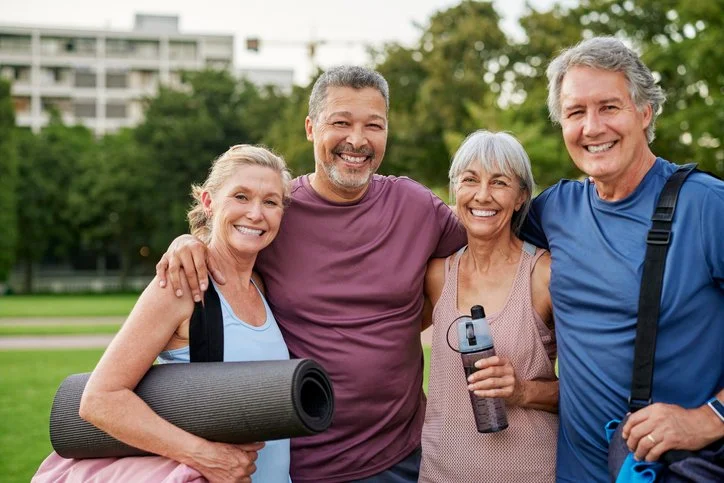
The question is what we can do about them. The single most effective intervention is regular, well-chosen exercise. The Centers for Disease Control and Prevention recommends that adults 65 and older get at least 150 minutes of moderate-intensity aerobic activity per week (brisk walking counts), plus muscle-strengthening activities on two or more days that target all major muscle groups, and balance exercises weekly.⁶ Resistance training—whether with weights, bands, or body weight—is especially powerful against sarcopenia. It preserves and can even rebuild muscle fibers, improves bone density when done weight-bearing, and enhances coordination. Click here for more information. Balance-specific work (tai chi, single-leg stands, or yoga) directly reduces fall risk. This post on maintaining balance in our senior years could save your life. Flexibility routines, such as stretching (dynamic and static) or yoga, keep joints mobile. See my previous post on stretching here.

I’ve adjusted my own routine accordingly. I still surf, hike, play spike ball, and cycle, but I add at least three strength sessions a week and spend a few minutes each day on balance drills. The payoff is real: It can make us steadier and recover faster. Studies confirm that even previously sedentary older adults who begin appropriate training see measurable gains in strength, endurance, and functional independence.⁷ For years, I have sustained many more injuries from working out than when I was much younger.

Nutrition matters just as much. As we age, we need more protein—about 1.0 gram per pound, not kilogram, of body weight daily—to stimulate muscle repair. That means eating high-quality protein such as beef, eggs, Greek yogurt, fish, and poultry⁸, which can help support bone health and provide calcium (1,000–1,200 mg daily) and vitamin D (600–800 IU, or more if deficient). See this post about the importance of protein. Weight-bearing exercise helps the body use them effectively. A whole-food diet that includes animal-based foods with their inherent fats—such as grass-fed meats, wild-caught fish, eggs, full-fat dairy, along with vegetables, fruits, nuts, and seeds—provides the nutrients that fight inflammation and protect muscle and bone. This approach shuns processed foods, especially those containing refined carbohydrates and industrial seed oils. Staying hydrated and limiting alcohol also aids recovery.
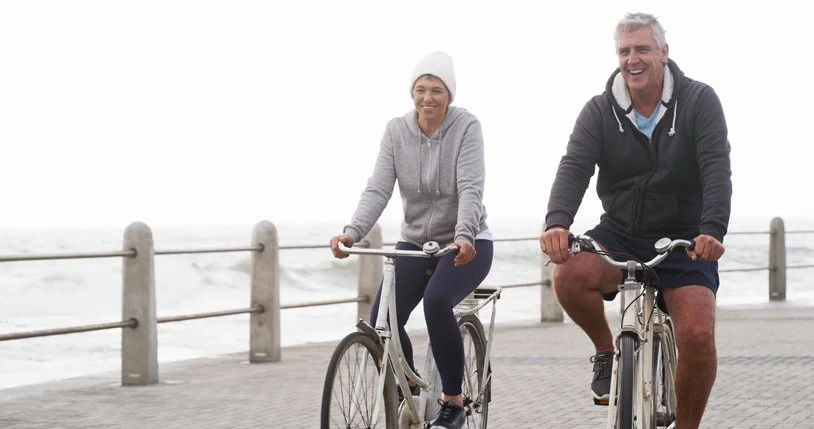
Even with the best prevention, some changes remain. The art of aging well lies in learning to live with them rather than fighting them endlessly. Acceptance is not resignation; it is the foundation for smart adaptation. I have stopped chasing personal records and started celebrating sustainable effort. I warm up longer, cool down thoroughly, and build in rest days without guilt. When an old injury flares, I substitute a lower-impact version of the activity I love instead of forcing through pain. Simple home modifications—such as better lighting, grab bars, and a sturdy railing—reduce unnecessary risk.
Equally important is protecting mental and emotional well-being. Focusing on what I can do rather than what I can’t keeps motivation high. Social connection—walking on the beach with friends, joining a strength class, or simply sharing stories—reminds me that these changes are universal and that community makes them lighter. Research on aging attitudes shows that people who view later life positively live longer and function better; reframing “I’m slower” as “I’m wiser about pacing myself” shifts the narrative from loss to growth.⁹
At 65, I am slower, stiffer, a bit weaker, and more deliberate about recovery. Yet I am also more attuned to my body, more appreciative of the days I feel strong, and more committed to the habits that keep me moving. The normal things we can expect—muscle loss, reduced flexibility, slower recovery, balance shifts—are real, but they are not the whole story. With consistent strength and balance training, smart nutrition, quality sleep, and a mindset of acceptance and adaptation, we can minimize the downsides and maximize the years ahead.
I plan to keep hiking, lifting, exploring, and living fully—just a little more thoughtfully. Turning 65 isn’t the end of the adventure; it’s the beginning of a wiser, more sustainable chapter. If you’re in or approaching this stage, I hope these reflections encourage you to meet your changing body with respect, curiosity, and action. The best version of your future self is still very much within reach. Be sure to tune in next week, when I talk about the philosophy of staying in shape versus squandering our health and ruining our senior years.
References:
¹ Mayo Clinic. “Aging: What to expect.”
² Cleveland Clinic. “Sarcopenia (Muscle Loss).”
³ Mayo Clinic. “Aging: What to expect.”
⁴ Harvard Health Publishing. “How to stay strong and coordinated as you age.”
⁵ National Institute on Aging. “Sleep and Older Adults.”
⁶ Centers for Disease Control and Prevention. “Older Adult Activity: An Overview.”
⁷ Additional supporting data drawn from peer-reviewed summaries on sarcopenia and exercise benefits in older adults (e.g., Merck Manuals, PMC articles on muscle aging).
⁸ Cleveland Clinic. “Sarcopenia (Muscle Loss).”
⁹ Additional supporting data drawn from peer-reviewed summaries on aging attitudes.