The Free Investment That Adds Years to Your Life: Mindset, Habits, and the True Cost of Waiting

This post springboards off of last week’s post, where I spoke about turning 65. Imagine standing at the end of your life, looking back. You have the chance to add one more healthy, vibrant year—or to ensure you stay sharp, mobile, and joyful until the very last day. How much would you pay for that? Would you write a check for tens or hundreds of thousands of dollars in medical interventions, hospital stays, and long-term care? Or would you look back and wish you had invested a modest amount of time and effort earlier?
Most people, when faced with that hypothetical at life's end, would choose the extra year or the preserved health without hesitation. Yet when the decision is presented in real time—while we are still younger and capable—the majority defaults to inaction. They postpone exercise, continue poor eating habits, and neglect stress management, assuming they can "fix it later" with money or medicine. The philosophy here is straightforward: since the daily work of eating well, moving your body, and nurturing a positive outlook costs nothing in dollars (only time and consistency), the rational choice becomes obvious. Put in the effort now, while you are younger, and sustain it as you grow older. The alternative—paying later—rarely delivers the same quality of life.
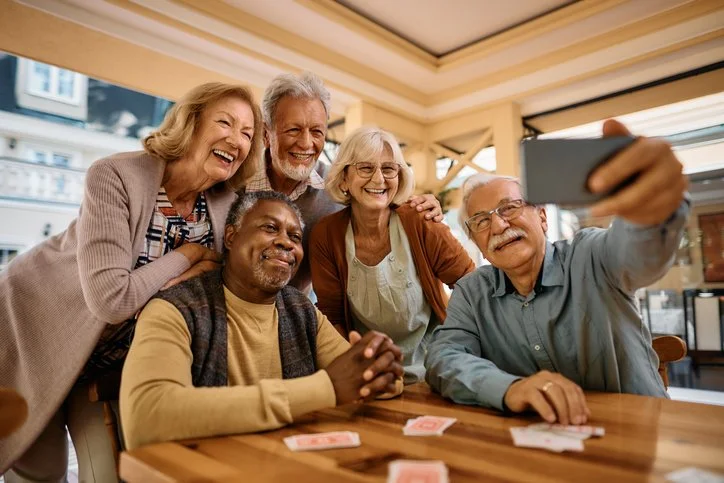
Science increasingly supports this view. A landmark study found that older individuals who held more positive self-perceptions of aging lived an average of 7.5 years longer than those with negative views.[1] This is not merely wishful thinking; positive beliefs appear to influence behavior, physiology, and resilience in measurable ways. People who see aging as a period of continued growth and vitality are more likely to stay active, eat better, maintain social connections, and seek preventive care—creating a virtuous cycle that extends both lifespan and healthspan.
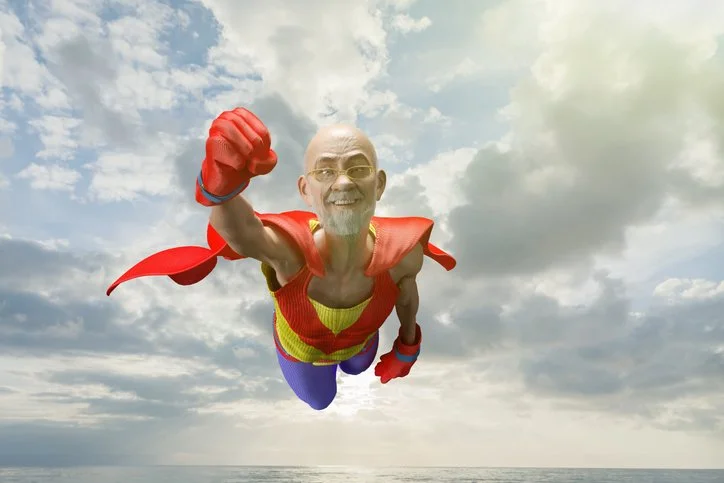
Closely related is the well-documented power of self-rated health. Multiple studies, dating back decades, show that seniors' ratings of their own health strongly predict how long they will live—even after accounting for objective medical conditions. A classic 1982 analysis demonstrated that self-rated health was a significant predictor of mortality among the elderly.[2] More recent research reinforces this: in a large German cohort followed for over 11 years, poor self-rated physical health was associated with a 26% higher risk of death (hazard ratio 1.26), even after adjusting for age, gender, body mass index, chronic diseases, smoking, and socioeconomic status.[3] The effect was particularly strong in men. Seniors who believe they are healthy and who actively lead full lives—through movement, purpose, and engagement—consistently show better survival rates.
These findings are not isolated. Positive self-perception of aging has been linked not only to longevity but also to healthier behaviors and better recovery from setbacks. When people view their later years optimistically, they are more motivated to exercise, eat nutritious foods, and participate socially—all of which reinforce the very health they believe they have.
This brings us back to the practical, daily investment. The actions required are neither extreme nor expensive. Ten to sixty minutes per day dedicated to movement (walking, strength training, stretching), mindful eating (more whole foods, fewer processed items), adequate sleep, and perhaps a few minutes of reflection or social connection represent a tiny fraction of waking hours. These habits are essentially free in monetary terms. No gym membership or fancy equipment is mandatory—bodyweight exercises, brisk walks, and home-cooked meals suffice for most people.
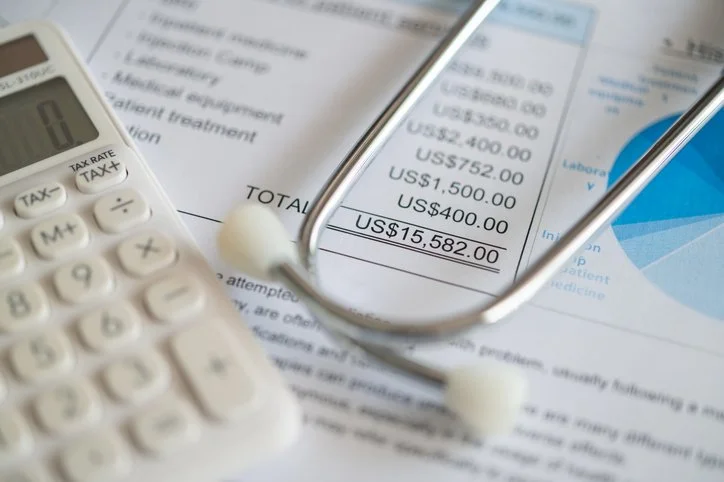
Contrast this with the alternative path. Chronic diseases driven by inactivity and poor nutrition—heart disease, type 2 diabetes, certain cancers, osteoporosis, and frailty—generate enormous costs later in life. Hospitalizations, medications, surgeries, and assisted living can easily run into hundreds of thousands of dollars per person over time. Even with insurance, the financial, emotional, and physical toll is heavy. Studies consistently show that regular physical activity alone can reduce all-cause mortality risk by 30–35% and add 0.4- 4+ years to life expectancy, with benefits compounding when combined with a healthy diet.[4]
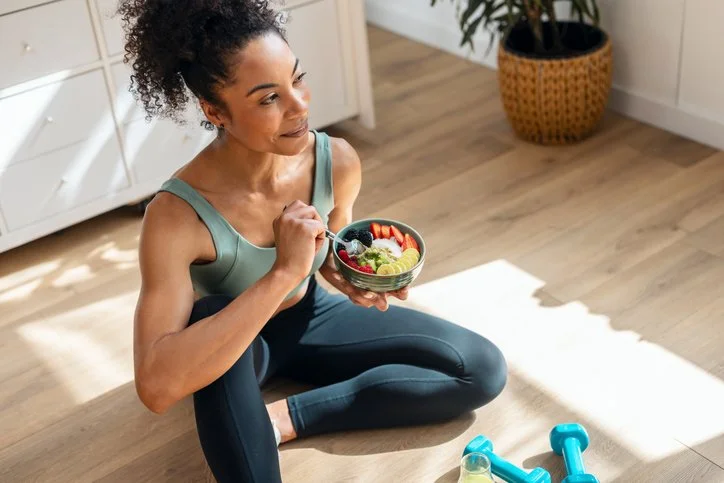
The connection is powerful: diet and exercise together produce greater reductions in mortality risk than either alone. Even modest increases—such as an extra 10 minutes of moderate activity daily—can meaningfully lower the risk of premature death. The return on a daily 30–60-minute investment is therefore extraordinary when measured in years of healthy life gained and medical expenses avoided.
At the end of life, the choice crystallizes. Would you rather have spent those daily minutes earlier—building strength, protecting your heart and brain, maintaining mobility, and cultivating a positive mindset—or would you prefer to hand over large sums later for treatments that often only manage symptoms rather than restore full vitality? Most people who reach that reflective moment wish they had chosen consistent effort. The body and mind respond remarkably well to steady, reasonable inputs over decades. Starting in your 30s, 40s, or 50s is ideal, but it is never too late to begin; benefits accrue at any age.
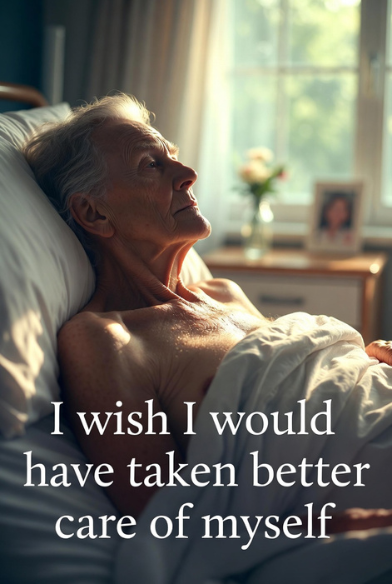
The mindset shift is equally important. Believing you can remain healthy and capable encourages the very behaviors that make it true. This creates a self-fulfilling prophecy supported by evidence: positive self-perception drives action, action improves objective health, and improved health reinforces positive beliefs. Seniors who see themselves as vibrant participants in life—rather than passive victims of aging—tend to live longer and better.
Practical steps are accessible to almost everyone. Begin with a 10–15-minute daily walk and gradually build. Choose one simple dietary improvement, such as adding vegetables to every meal or reducing sugary drinks. Strength train two to three times weekly to preserve muscle and bone. Prioritize sleep and social connections. Track progress not just by weight or appearance, but by how you feel and what you can do. Over months and years, these small deposits compound into substantial returns in energy, independence, and longevity.

The philosophy remains compelling because it is both rational and humane. Time is the one resource we cannot buy back. Spending a fraction of each day on health is an investment with asymmetric upside: low upfront cost, high potential reward in years and quality of life. Delaying until illness forces expensive interventions is the more costly route—financially, physically, and emotionally.
Ultimately, the data and the logic converge on the same message. Studies confirm that believing in your health and acting on it through daily habits extends life. The daily investment of time is free in dollars yet priceless in returns. At life's end, few will regret the minutes spent moving and nourishing their bodies; many will regret the years lost to inaction. The choice, when viewed clearly, is indeed straightforward: invest the effort while you are younger—and keep investing as you age. Your future self will thank you with more vibrant, independent, and meaningful years.
References
Levy, B. R., Slade, M. D., Kunkel, S. R., & Kasl, S. V. (2002). Longevity increased by positive self-perceptions of aging. Journal of Personality and Social Psychology, 83(2), 261–270.
Mossey, J. M., & Shapiro, E. (1982). Self-rated health: a predictor of mortality among the elderly. American Journal of Public Health, 72(8), 800–808.
Scientific Reports (2023). Self-rated physical health predicts mortality in aging persons beyond objective health risks (Gutenberg Health Study findings). Scientific Reports, 13, Article 19468.
Reimers, C. D., Knapp, G., & Reimers, A. K. (2012). Does physical activity increase life expectancy? A review of the literature. Journal of Aging Research, 2012, Article 243958.