Balancing Patient Care and Skill Development: In-Office Dental Assistant Training

Dental assistants play a critical role in ensuring smooth operations within a dental practice. While formal education programs provide a solid foundation, most dental offices opt to train assistants on-site to tailor their skills to the specific needs of the practice. This hands-on approach has its advantages and drawbacks, impacting the dental team, patients, and the overall efficiency of the practice. Below, we explore the key pros and cons of in-office dental assistant training, shedding light on why this method remains prevalent despite the availability of formal schooling.
Pros of In-Office Dental Assistant Training
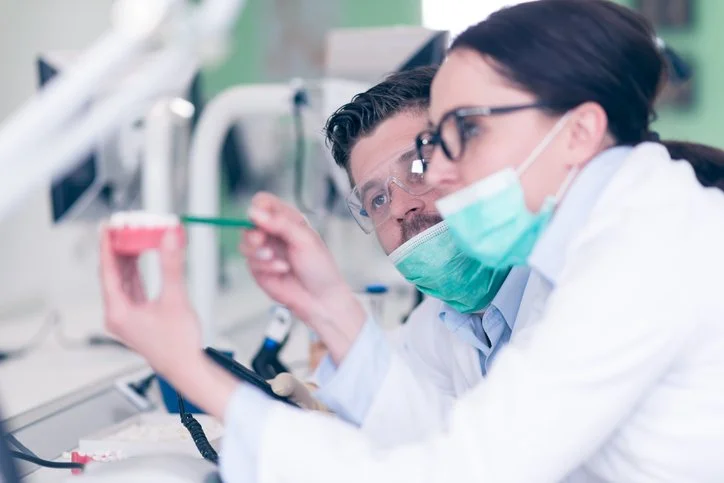
Tailored Skill Development
In-office training allows dental practices to mold assistants to their specific workflows, equipment, and patient care standards. Unlike dental assistant schools, which provide generalized curricula, on-the-job training ensures assistants learn the exact protocols, tools, and techniques used in the practice. For example, a dental office may use specific software for patient records or unique sterilization methods, which assistants can master through direct experience. This customization ensures assistants are well-prepared to meet the practice's expectations from day one.
Hands-On Learning Mirrors Real-World Demands
Much like learning to ride a bicycle, becoming a proficient dental assistant requires physical practice, not just theoretical knowledge. In-office training provides immediate opportunities to work on real patients under the supervision of experienced dentists or assistants. This hands-on approach accelerates skill acquisition, as trainees gain confidence through direct application. For instance, assisting with a filling or a root canal in a controlled environment with real-time feedback helps new assistants develop muscle memory and situational awareness that classroom simulations can't fully replicate.
Cost-Effective for Practices
Hiring graduates from dental assistant schools often comes with higher salary expectations, as these individuals may feel their formal education warrants premium compensation. In contrast, training an entry-level assistant in-house can be more cost-effective, as practices can hire individuals with minimal experience at lower wages and invest in their development over time. This approach allows offices to build a loyal, skilled workforce without the upfront costs of recruiting formally trained assistants.
Immediate Integration into the Team
In-office training fosters a sense of camaraderie and teamwork from the start. New assistants work alongside experienced staff, learning not only technical skills but also the interpersonal dynamics of the practice. This integration helps build trust and communication, which are essential for a cohesive dental team. Observing seasoned assistants for days or weeks, as is common, allows trainees to absorb the nuances of patient interaction, time management, and office culture.
Ongoing Coaching Enhances Versatility
Even after initial training, dental assistants benefit from continuous coaching, especially during rare or complex procedures. In-office training creates an environment where ongoing education is part of the culture. Dentists and experienced assistants can provide real-time guidance, ensuring that trainees adapt to unique situations, such as handling a patient with special needs or assisting with an uncommon procedure like a complex extraction. This constant feedback loop fosters highly adaptable and competent assistants.
Cons of In-Office Dental Assistant Training
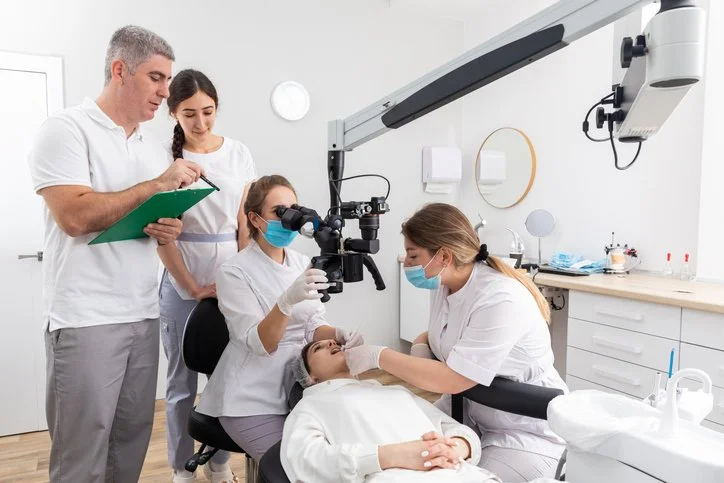
Patient Comfort Concerns
While most patients are comfortable with a trainee assisting under supervision, some may feel uneasy about having a less experienced assistant involved in their care. This discomfort can be particularly pronounced during invasive procedures or for patients with dental anxiety. Although asking for patient consent beforehand mitigates this issue, it can still disrupt the patient experience or require additional time to explain the training process. Practices must balance transparency with maintaining patient trust.
Time and Resource Intensive
Training dental assistants in-house demands significant time and resources from both dentists and experienced staff. New assistants often shadow seasoned professionals for weeks, which can strain the schedules of busy practices. Additionally, dentists must dedicate time to coaching during procedures, which may slow down appointments or reduce the number of patients seen in a day. This investment can be challenging for smaller practices with limited staff or high patient volumes.
Inconsistent Skill Levels Among Trainees
Unlike formal dental assistant programs, which follow structured curricula, in-office training can vary widely depending on the practice's resources, the trainer's expertise, and the trainee's aptitude. Some assistants may excel quickly, while others require extended supervision, leading to inconsistent skill levels. This variability can create challenges in maintaining a uniform standard of care across the practice, especially if multiple trainees are being onboarded simultaneously.
Limited Exposure to Diverse Procedures
In-office training is often limited to the types of procedures commonly performed in that specific practice. For example, a general dentistry office may not provide exposure to specialized procedures like orthodontics or oral surgery, which could limit the assistant's versatility. In contrast, dental assistant schools often partner with multiple practices to offer broader clinical exposure, ensuring students encounter a wider range of scenarios before graduating.
Ongoing Supervision Needs
Even after completing initial training, dental assistants require ongoing supervision, particularly for rare or complex cases. While this is true for both in-office and school-trained assistants, the lack of formal education in in-office trainees may necessitate more intensive oversight. For instance, a seasoned assistant may still need the dentist's guidance during an unfamiliar procedure, which can disrupt workflow or require post-appointment discussions to address knowledge gaps.
Balancing Training with Patient Care
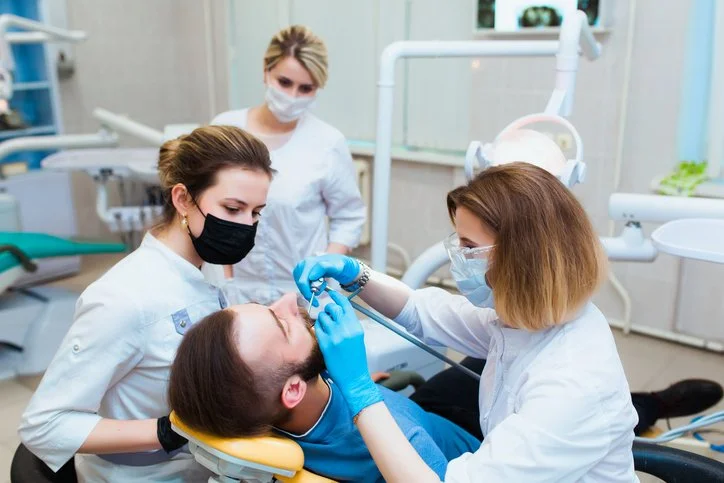
The reality of dental assistant training—whether in-office or through formal programs—is that supervision and coaching are ongoing necessities. Even the most qualified assistants require regular feedback to maintain high standards and adapt to evolving dental technologies and techniques. In-office training, however, offers a unique opportunity to align an assistant's skills with the specific needs of the practice while fostering a hands-on learning environment. By prioritizing patient communication and consent, practices can mitigate discomfort while ensuring assistants gain the experience needed to excel. For patients, the presence of a trainee can be a minor inconvenience, but it's a critical part of building a skilled dental workforce. Transparent communication—such as informing patients about the training process and the supervision involved—helps maintain trust. As assistants become more proficient, their need for direct instruction diminishes, allowing them to contribute seamlessly to routine procedures. However, the dental field is dynamic, and even experienced assistants benefit from ongoing discussions to refine their skills and tackle unique challenges.
Conclusion
Training dental assistants in the office is, in my opinion, unavoidable, but it offers a practical, cost-effective way to develop skilled professionals tailored to a practice's needs. The hands-on experience, team integration, and ongoing coaching create a strong foundation for success, but challenges like patient discomfort, resource demands, and inconsistent skill levels must be carefully managed. By balancing structured training with patient-centered care, dental practices can cultivate exceptional assistants who enhance both clinical outcomes and the patient experience. For practices considering this approach, the key lies in clear communication, robust supervision, and a commitment to continuous learning.