Understanding Anterior Open Bites: Causes, Effects, and Treatment Options
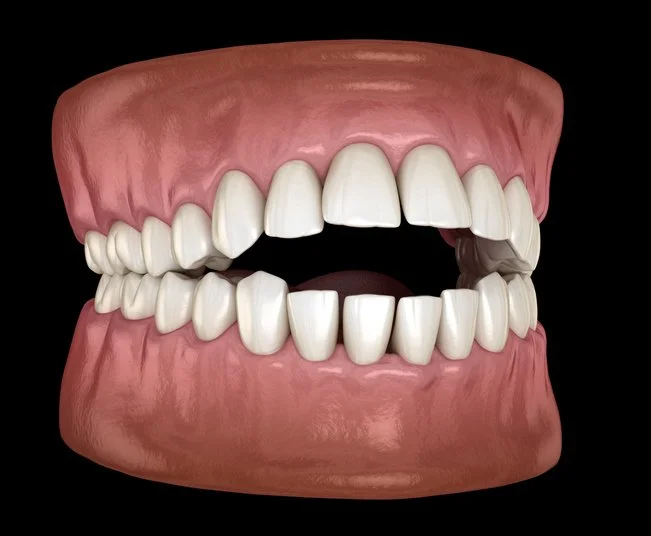
What is an Anterior Open Bite?
An anterior open bite occurs when the front teeth (incisors) do not touch or overlap when the jaw is closed, creating a visible space. Unlike a normal bite, where the upper teeth slightly cover the lower ones, an open bite disrupts this alignment. Studies suggest that anterior open bites affect 1-4% of the population, with varying prevalence depending on age and habits. This condition can lead to challenges with biting into foods, speech difficulties (such as lisping), and aesthetic concerns, highlighting the importance of early diagnosis and treatment.
Identifying an open bite is straightforward, and I look for it in 100% of my patients. There is usually one main cause, which is an anterior interdental tongue thrust, where the tongue pushes forward against or between the front teeth during swallowing, speaking, or at rest. This abnormal tongue posture applies continuous pressure, preventing proper alignment of the teeth and contributing to the development or worsening of an open bite. Tongue thrusting often begins in childhood and can persist into adulthood if not addressed. Notably, it is normal for newborns to swallow differently than adults, using a forward tongue motion to facilitate breastfeeding, known as an infantile swallow. As children grow, they typically transition to a mature swallowing pattern by age 2-4, at which point the tongue should rest against the palate rather than the front teeth. However, habits like prolonged thumb-sucking, pacifier use, or mouth breathing can reinforce the infantile swallow, leading to a persistent tongue thrust that contributes to open bites.
Beyond tongue thrust, several factors can contribute to anterior open bites:

Skeletal Abnormalities: Genetic or developmental issues, such as a long lower face or steep mandibular plane, can predispose individuals to open bites.
Habits Such as Prolonged thumb-sucking, pacifier use, or nail-biting can reinforce tongue thrusting, thereby exacerbating malocclusion.
Mouth Breathing: Chronic nasal obstruction from allergies or enlarged adenoids may lead to mouth breathing, altering tongue posture, and contributing to open bites.
Trauma or Tooth Loss: Jaw injuries or premature loss of primary teeth can disrupt dental alignment, increasing the risk of an open bite.
These factors often interact with tongue thrust, amplifying the condition’s severity. Addressing these contributors early is critical for effective management. SEO keywords: open bite causes, thumb-sucking, mouth breathing.
Impact of Anterior Open Bites

Anterior open bites have both functional and psychological effects. Functionally, individuals may struggle to bite into foods like apples or sandwiches, relying on back teeth for chewing. Speech issues, such as difficulty pronouncing “s” or “th” sounds, are common due to altered tongue and tooth positioning. Aesthetically, the visible gap between the front teeth can affect confidence in social or professional settings. Additionally, open bites may lead to excessive wear on posterior teeth or temporomandibular joint (TMJ) disorders due to uneven bite forces. Addressing these impacts requires a comprehensive treatment approach.
Diagnosing an anterior open bite involves a detailed dental and orthodontic assessment. Dentists or orthodontists use clinical exams to evaluate bite alignment, jaw structure, and tongue posture. Observing swallowing and speech patterns helps confirm the presence of an anterior interdental tongue thrust. In some cases, a speech therapist or myofunctional therapist may assess tongue function. Early diagnosis, especially in children, enables timely intervention to prevent disease progression.
Effective treatment targets both the open bite and its underlying causes, such as tongue thrust. Common approaches include:
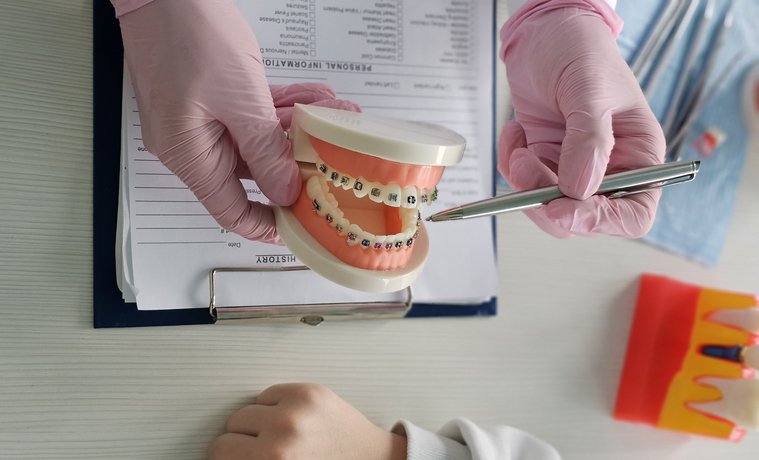
Myofunctional Therapy: This therapy retrains the tongue to adopt proper posture and swallowing patterns, addressing the infantile swallow that persists as tongue thrust. It is particularly effective in children and younger patients.
Orthodontic Treatment: Braces or clear aligners (e.g., Invisalign) can reposition teeth to close the open bite. Combining orthodontics with myofunctional therapy enhances outcomes.
Behavioral Interventions: Habit-breaking appliances, such as tongue cribs or spurs, can help discourage tongue thrusting or thumb-sucking in children.
Surgical Options: Severe cases involving skeletal issues may require orthognathic surgery to correct jaw alignment, typically in adults.
Multidisciplinary Care: Collaboration among orthodontists, speech therapists, and myofunctional therapists ensures comprehensive treatment.
Treatment choice depends on the patient’s age, severity, and contributing factors.
Prevention and Early Intervention

Preventing anterior open bites involves addressing risk factors early. Parents should monitor habits such as thumb-sucking or prolonged pacifier use, as these can reinforce the infantile swallow pattern. The American Association of Orthodontists recommends dental evaluations by age 6 or 7 to catch issues early. However, I believe this is much too late and encourage evaluations around three years of age. Managing allergies or nasal obstructions can help reduce mouth breathing, which in turn contributes to tongue thrust. For adults, recognizing symptoms of tongue thrust or bite issues and seeking professional care can prevent complications. Regular dental check-ups are vital for early detection. Living with an Anterior Open Bite
Living with an anterior open bite can be challenging, but manageable with proper care. Maintaining good oral hygiene, attending regular dental visits, and adhering to treatment plans can help minimize complications. Speech therapy can address pronunciation issues, while cosmetic dentistry, such as veneers, may enhance aesthetics for individuals who are not pursuing orthodontics. Support from dental professionals and a proactive approach can improve quality of life while working toward correction.
Conclusion
Anterior open bites, primarily caused by anterior interdental tongue thrust, are a treatable dental condition that affects both function and aesthetics. Understanding how tongue thrust develops—often rooted in the normal infantile swallow of newborns that persists due to habits or other factors—highlights the importance of early intervention. Through myofunctional therapy, orthodontics, or surgery, individuals can achieve a healthier bite and a confident smile. Early diagnosis and personalized treatment plans are crucial to effectively addressing this condition.