Why We Avoid Germs and Sometimes People: The Science Behind It
Have you ever wondered why certain people shun others with differing political philosophies from their own? Or why were some people outraged by people who did not wear masks during the pandemic, but not others? I found a paper that explains why this happens. It is called the behavioral immune system.
The paper by van Leeuwen, Jaeger, and Tybur, entitled "A Behavioral Immune System Perspective on Disgust and Social Prejudice," provides a clear overview of research from the past 20 years on the behavioral immune system (BIS). Think of the BIS as your brain's early warning system against germs and bugs that can make you sick. Unlike your body's immune system, which fights infections after they start, the BIS works ahead of time by changing your behavior—such as making you stay away from risky situations. The authors connect this back to our animal ancestors, showing that diseases have always been a big danger, from ancient parasites to today's pandemics. This isn't just theory; it helps explain why, during the COVID-19 pandemic, some people became more wary or even unfair toward certain groups—our brains are wired to play it safe.
At its core, the BIS comprises three primary steps: identifying signs of germs, determining whether avoidance is warranted, and responding with emotions or actions such as disgust or withdrawal. The authors illustrate this by showing how clues such as bad smells or visible wounds prompt your brain to assess the infection risk. This estimate can vary based on your individual situation, such as if you're hungry or pregnant. For example, women in the early stages of pregnancy feel more disgusted by food because their bodies are more open to infections then. This shows that the system is smart—it weighs staying safe against other needs, such as eating when you're starving.
Disgust is the most obvious aspect of the BIS, but the paper explains that it is not uniform in its expression. There's germ-related disgust (to avoid sickness), sex-related disgust (to skip bad partners), and moral disgust (to deal with people who break rules). This is important because not every disgust is about germs; moral disgust kicks in for things like cheating or cruelty, and people sometimes use gross words like "dirty" or "like rats" to make others dislike certain groups. Disgust is universal—we all cringe at things like poop or infected cuts, as shown in studies with hunter-gatherers in Tanzania and farmers in Vanuatu. However, what exactly grosses us out can vary by culture, as it is often learned from others around us. As writer Steven Pinker said, one group might see cow urine as gross while another sees cow milk as fine, but everyone hates contaminants deep down.
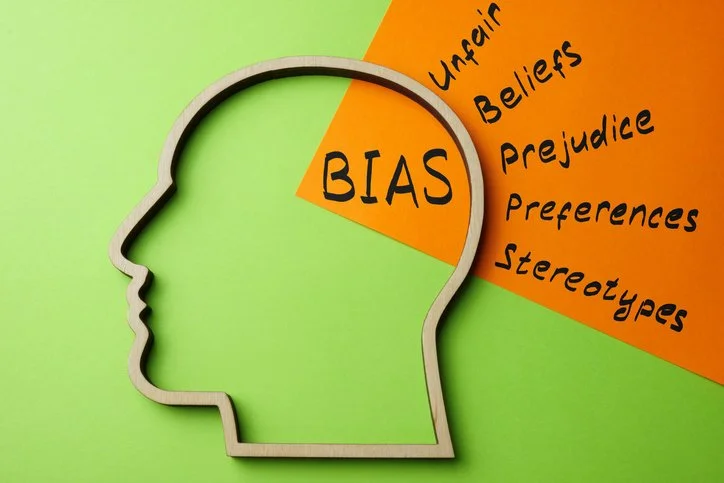
A significant portion of the paper examines how the BIS can lead to unfair treatment of others, commonly referred to as prejudice. Studies show people who are easily disgusted tend to have negative views of groups like immigrants, gay people, obese folks, or the homeless. A comprehensive review of 66 studies confirms this, particularly in relation to anti-immigration sentiments. Experiments prove it too: Sniffing a bad smell can make people more biased against gay men. Real-world events like the Ebola outbreak or COVID-19 sometimes boosted negativity toward Asians or outsiders, though results aren't always clear-cut. The paper suggests that these biases originate from the BIS, but not always from a fear of germs—sometimes it's about perceiving someone as having low value.
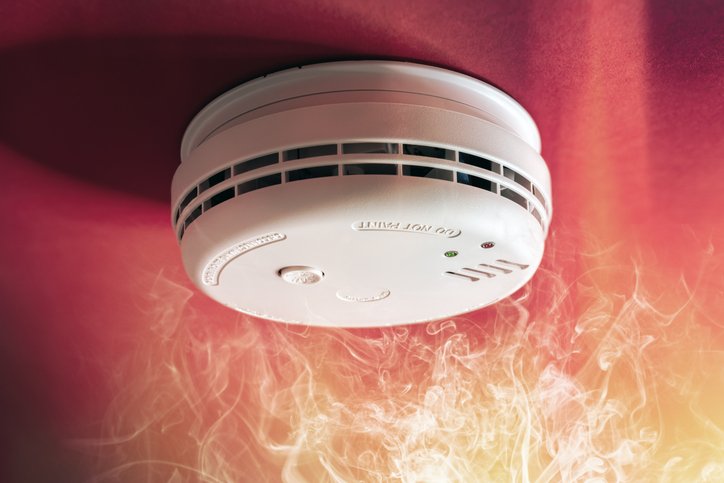
The "better safe than sorry" principle, also known as the smoke detector principle, is key. It's like a fire alarm that goes off for smoke from cooking, so you don’t miss a real fire. The BIS prefers to overreact (avoid harmless stuff) rather than miss a real threat. Proof includes feeling grossed out by fake things like rubber puke or avoiding people with harmless marks like birthmarks that look like sores. Studies using special tests show germ-worried people are quicker to label obesity as a disease sign. However, the authors note that we require more direct checks to confirm these links to bias.
Another idea is that the BIS reacts to things that seem "unusual" or different from the norm, treating them like germ signs. Early thoughts said this could explain bias against ethnic groups, disabled people, or anyone who looks odd, since sickness often changes how someone looks. However, the paper narrows it down: Not every difference triggers it. Freckles or being super tall don't cause disgust, but face scars or extreme weight might, because they mimic infection clues. Importantly, just being from another group isn't enough; tests with people from the US, India, UK, and China showed no extra avoidance without clear disease ties. Instead, bias toward immigrants or LGBTQ+ people often comes from their breaking local rules or customs, which makes them seem less worth dealing with.
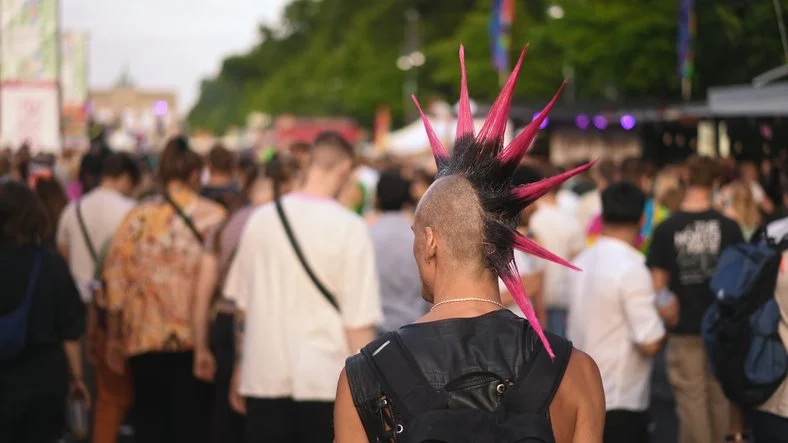
This raises the "low-value" idea: The BIS balances germ risks against the benefits of socializing with someone. If a person seems untrustworthy or difficult to get along with (such as not following group rules), even a slight chance of infection feels too much. Family or friends gross us out less, showing that value matters. The authors say bias often comes from expecting little good from interaction, not just high germ fear. This changes how we think about it—the BIS enhances existing social judgments rather than just fearing differences.
In the end, the paper views the BIS as a helpful yet complex aspect of being human: beneficial for survival, but it can also fuel bias through over-caution and value checks. For the future, they suggest better tests on how we spot germs and why rule-breaking leads to prejudice. How we learn about gross things from society—like following traditions to stay safe—is still a mystery worth exploring.
This stuff matters now, as we recover from pandemics. Knowing about the BIS can help us understand biases as old instincts, not personal flaws, and create fixes like teaching real science about germs to override gut reactions. In a connected world, we can refine our responses to be fairer.