Implants Gone Wrong? Exploring Medical and Dental Tourism Risks and the Rise of AI Deepfakes in Medicine and Dentistry
Warning: This post contains links to images and videos depicting graphic, infectious disfigurement.
As a dentist with nearly 37 years of hands-on experience in restorative and implant dentistry, I've witnessed firsthand how transformative dental implants can be for patients suffering from tooth loss. They restore function, aesthetics, and confidence in ways that traditional dentures or bridges often can't match. However, a recent viral video circulating online has caught my attention—and likely that of many others—painting a nightmarish picture of what can supposedly go wrong. The video features a young British woman residing in the UK who appears to have traveled to Turkey for an extensive procedure: the extraction of all her natural teeth, followed by the placement of 14 dental implants. What starts as a seemingly positive testimonial quickly devolves into a horror story, raising alarms about the safety of such treatments and the authenticity of online narratives.
Let me break down the video's content based on what I've observed. It begins on an optimistic note, with the woman showcasing her initial results shortly after the surgery. She's beaming with her new smile, highlighting the affordability and speed of the process—common selling points for dental tourism. But the footage, edited over an unclear timeline, soon takes a dark turn. First, she displays a set of temporary teeth that have become dislodged, which is visually unpleasant for the average person. As a professional, I can assure you this isn't uncommon during the healing phase; temporaries are meant to be provisional, and adjustments are routine. No cause for panic there. Then comes a close-up of her mouth revealing the exposed titanium implant posts protruding from her gums—a sight that's understandably unsettling for anyone unfamiliar with implant dentistry. These posts are the foundation for the final prosthetics, and seeing them mid-process is like viewing a construction site before the building is complete. It's normal, not alarming, and certainly not indicative of failure.
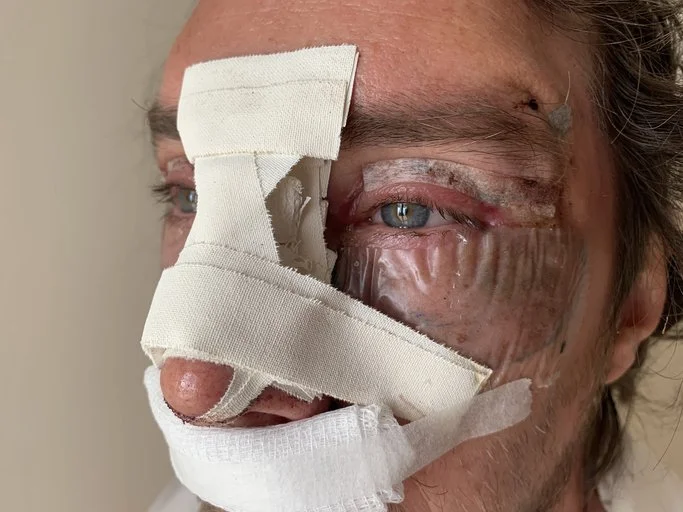
The video escalates dramatically from here. The woman reveals what looks like a severe infection extending to her nose and even affecting her eyes, giving her a bruised, assaulted appearance. Her nose appears to be deteriorating, evoking images of severe tissue necrosis, almost like a "rotting corpse," as she describes it. She accuses her Turkish dentist of refusing to address the issue and claims an ENT (ear, nose, and throat) specialist also turned her away. Throughout, she insists the implants can't be removed; they can, implying their placement is the root cause. In her case, she would have to travel back to Turkey to have the implants in question removed. The narrative culminates in her despairing proclamation that she's "doomed to look horrible" and that "nobody cares." Notably, the video offers no concrete details on the infection's origin—Was it poor hygiene post-surgery? Substandard materials? Inadequate aftercare? Without this context, it's hard to draw informed conclusions. From my vantage point, this omission fuels speculation and fear rather than education.
Upon closer reflection and some research, it seems this woman's story aligns with reports of dental tourism gone awry. I believe she is Leanne Abeyance, a 41-year-old from Telford, UK, who underwent treatment in Turkey and ended up with chronic pain, infections, and a collapsed nasal septum, and has made headlines in reputable outlets. She reportedly contracted a flesh-eating virus, leading to irreversible damage that UK healthcare providers deemed cosmetic and thus untreatable under the NHS. You can visit her TikTok page here. She appears to have done the surgery around May of 2024.
Such accounts highlight a growing trend: British patients lured by low costs—often a fraction of UK prices—only to face complications that require expensive fixes back home. In this video, the lack of follow-up care is a red flag; traveling abroad means limited access to the original provider for revisions, leaving patients in limbo.
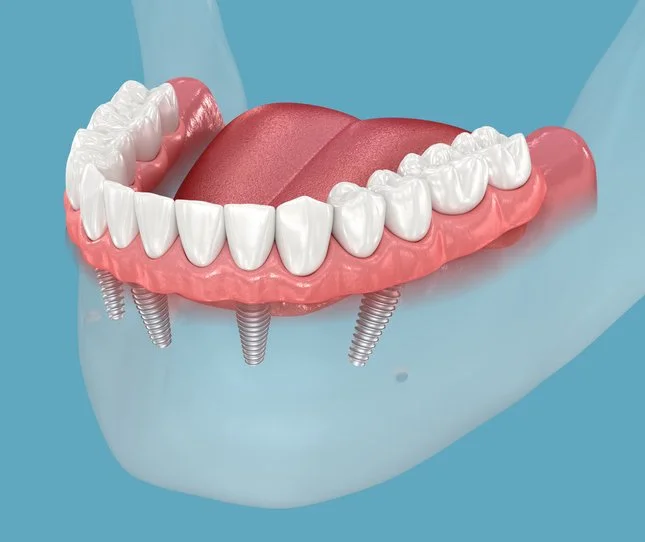
This brings me to the first major issue: the proliferation of random, unsubstantiated claims of disastrous outcomes from routine procedures that, in reality, have excellent prognoses. Dental implants boast impressive success rates, consistently reported at 90%-98% over 10 years or more in well-controlled studies. For example, a systematic review in the Journal of Oral Implantology pegged the 10-year survival rate at 94%, while other research shows even higher figures for lower-jaw implants at 95% over 5 years. In my own practice, spanning thousands of cases, I've never encountered disfigurement or life-altering infections like those depicted. Failures do occur—due to factors like smoking, poor bone quality, or systemic health issues—but they're rare and often manageable with early intervention. Yet, videos like this amplify the anomalies, creating a skewed perception that deters people from pursuing implants altogether. Why? Sensationalism drives views and shares. A happy patient story doesn't go viral; a horror tale does. This misinformation can lead to untreated dental issues, worsening overall health, since poor oral health is linked to heart disease, diabetes, and more.
Compounding this is the context of medical and dental tourism, especially to Turkey, where costs are enticing but risks are elevated. Turkey has become a hub for such procedures, attracting over a million medical tourists annually with promises of quick, cheap transformations. However, experts warn of lax regulations, variable clinician expertise, and subpar materials that can lead to higher complication rates. Language barriers hinder clear communication about post-op care, and rushed timelines—often completing full-mouth work in days rather than months—increase infection risks. Surveys by bodies such as the British Dental Association reveal that 86% of UK dentists have treated complications arising from overseas work, with crowns and implants topping the list. Infections, as in this video, can stem from unsterile environments or inadequate antibiotics, potentially escalating to severe issues like osteomyelitis or, in rare cases, necrotizing fasciitis. Dental and physical harm is common, with patients facing disfiguration, chronic pain, and ballooning costs for remedial treatment back home—often exceeding the initial savings. The UK government has even partnered with influencers to highlight these dangers, underscoring the public health concern.
Now, the second issue: the potential use of AI-generated videos to fool people into believing exaggerated or fabricated horror stories. While this specific video appears grounded in real events—mirroring documented cases like Abeyance's—it prompted me to wonder if AI alterations amplified her appearance for dramatic effect. Deepfake technology, powered by AI, can seamlessly manipulate faces, voices, and scenarios, making the implausible seem real. In healthcare, this is particularly insidious. Recent reports show AI deepfakes impersonating doctors to peddle false treatments or scare tactics, eroding trust in medical advice.
For instance, videos mimicking physicians have tricked viewers into abandoning prescribed medications or buying dubious products, posing real risks to patient safety. In the realm of medical horror, AI could fabricate worsening symptoms—like the nose deterioration here—to heighten fear, perhaps for ad revenue or anti-tourism agendas. Complaints about such deepfakes have more than doubled recently, as bad actors exploit them in scams. As AI evolves, distinguishing real from fake becomes harder; tools like watermarking or forensic analysis are emerging, but viewers must remain skeptical.
In conclusion, while this video underscores legitimate risks in dental tourism, it shouldn't overshadow the proven benefits of implants when done properly. Most cases succeed spectacularly, enhancing lives without drama. If you're considering treatment, consult local, accredited professionals—verify credentials, review success rates, and prioritize quality over cost. Avoid the allure of quick fixes abroad; the "bargain" often isn't. And always question online content: Is it real, or AI-enhanced for clicks? Stay informed, and your smile will thank you.