The Post: The Hidden Link: Processed Foods, Chronic Pain, and Why Doctors Aren't Talking About It

Musculoskeletal pain – that nagging ache in your joints, muscles, or back – affects millions worldwide, often diminishing quality of life and leading to disability. While factors such as age, injury, and sedentary lifestyles contribute, a growing body of evidence suggests that a previously overlooked culprit is our diets, particularly the heavy reliance on ultra-processed foods (UPF). These convenient, shelf-stable items – such as sugary cereals, fast-food burgers, and packaged snacks – are often laden with added sugars, unhealthy fats, and artificial additives. Studies suggest they not only promote obesity and inflammation but also directly exacerbate conditions like arthritis and muscle weakness. However, despite this compelling research, many patients never hear about it from their doctors. Why? The answer lies in the glaring deficiencies in medical education and the practical realities of clinical practice, where nutrition often takes a back seat.
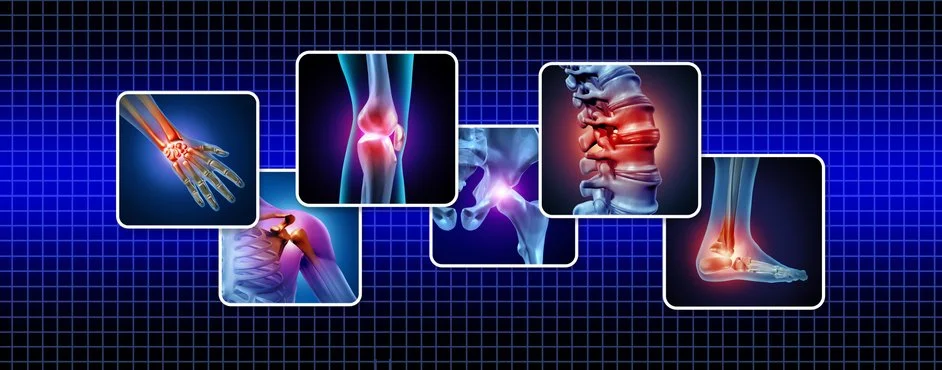
Let's start with the science connecting UPF to musculoskeletal pain. A cross-sectional study of over 4,400 participants from the Osteoarthritis Initiative analyzed dietary habits using food frequency questionnaires and the NOVA classification system, which categorizes foods based on their level of processing. After controlling for variables such as age, body mass index (BMI), calorie intake, and physical activity, researchers found that higher UPF consumption was correlated with worse knee pain scores on the Western Ontario and McMaster University Osteoarthritis Index (WOMAC). This effect was especially pronounced in women, with a beta coefficient of 0.17 (95% CI: 0.093-0.242). Participants with greater UPF intake also reported increased disability, stiffness, thinner knee cartilage (as measured by MRI), and slower walking speeds. These findings highlight how UPF might accelerate joint degeneration, potentially through systemic inflammation or nutrient deficiencies that impair cartilage health. Another well-known mechanism of a high-processed carbohydrate diet is the formation of advanced glycation endproducts, or AGEs for short. AGEs are formed when sugars attach to proteins and impair their function, as in cartilage.

Other human studies echo these results. For instance, higher UPF intake has been positively associated with self-reported arthritis symptoms, suggesting a broader impact on joint health. In women specifically, elevated consumption links to thinner knee cartilage and intensified clinical symptoms in knee osteoarthritis. Beyond joints, UPF contributes to age-related muscle loss, also known as sarcopenia, which can manifest as pain from weakened muscles and impaired mobility. One analysis of older adults found a direct tie between high UPF diets and sarcopenia, while another noted a linear relationship with low muscle mass in general adult populations. These observational studies, although not proving causation, consistently show patterns in which UPF-driven inflammation and fat infiltration in tissues worsen musculoskeletal issues.

Animal models provide mechanistic insights that bolster these human findings. In a six-week study on mice, a "cafeteria diet" mimicking UPF – high in processed fats and sugars – led to fat accumulation in muscles, heightened neuromuscular activity, and persistent inflammation. Remarkably, muscle pain persisted even after the mice returned to their normal weight, indicating that inflammation, rather than obesity alone, drives the pain. Researchers from Spain's Universitat Rovira i Virgili emphasized that these changes were independent of mechanical strain, pointing to UPF's role in systemic damage. Translating this to humans, it's clear why populations with high UPF intake, common in Western diets, report more pain: these foods disrupt metabolic balance, foster chronic low-grade inflammation, and degrade tissue integrity.

If the evidence is mounting, why aren't more physicians addressing it? One major barrier is the woefully inadequate nutrition education in medical schools. A systematic review published in The Lancet Planetary Health examined global medical curricula and concluded that nutrition is insufficiently integrated, regardless of country or training stage. In the United States, most medical schools offer fewer than 25 hours of nutrition instruction over the course of four years – a figure that hasn't improved significantly since the 1980s. Shockingly, a survey of medical students found that 58% received no formal nutrition education at all during their training, with those who did averaging just three hours per year. Students themselves perceive this as a gap, citing low priority in curricula, insufficient faculty expertise, and competing demands from other subjects, such as pharmacology or surgery. As a result, newly minted doctors often lack the knowledge to confidently discuss the role of diet in conditions like musculoskeletal pain. One qualitative study with U.S. medical students highlighted this inadequacy, noting that without robust training, physicians feel unprepared to tackle nutrition-related issues. This educational shortfall perpetuates a cycle where diet is sidelined in favor of pharmaceutical or procedural interventions, even though nutrition could prevent or mitigate pain.

Compounding this is the practical reality: even if doctors are knowledgeable about nutrition, they rarely have the time to counsel patients effectively. Surveys reveal that over two-thirds of physicians provide dietary advice to 40% or fewer of their patients and spend five minutes or less per discussion. On average, they dedicate less than 2-3 minutes to nutrition talks with hospitalized patients, far below what's needed for meaningful change. Barriers abound: a lack of time in packed schedules, inadequate reimbursement for counseling sessions, insufficient resources such as patient handouts, and low confidence stemming from the aforementioned training deficit. A recent study found that physicians typically discuss nutrition in less than half of patient visits, despite recognizing its importance. Residents, in particular, agree that most doctors aren't adequately trained for effective counseling, leading to missed opportunities. Providing comprehensive preventive care, including nutrition guidance, would demand over seven hours per week per doctor – an impossibility in today's overburdened healthcare system. This time crunch means patients with musculoskeletal pain often leave appointments with painkillers or referrals, but no actionable advice on swapping UPF for whole foods like fruits, vegetables, and lean proteins that could reduce inflammation.

The consequences are profound. Diet-related diseases, including those tied to pain, are the leading cause of death in the U.S., yet the medical system remains ill-equipped to address them at the root. Women and older adults, who show stronger associations in studies, may suffer disproportionately due to these gaps. To break this cycle, reforms are essential: medical schools must prioritize nutrition, perhaps integrating it across all years with hands-on training. Policymakers could incentivize counseling through improved reimbursements, and practices might consider incorporating dietitians for team-based care. In the meantime, patients shouldn't wait – educate yourself on UPF pitfalls, track your intake, and seek out nutrition-savvy providers or registered dietitians.
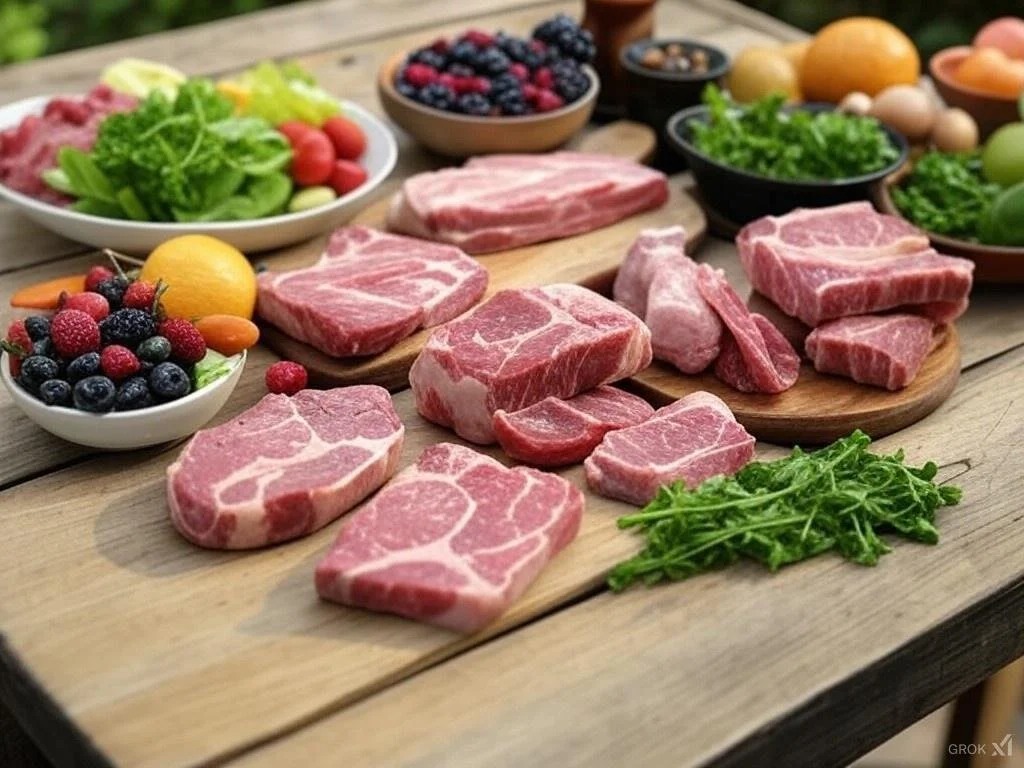
In conclusion, the link between ultra-processed foods and musculoskeletal pain is supported by robust research, encompassing both human cohorts and animal experiments. Yet, due to subpar medical education and time constraints, this vital conversation often goes unspoken in doctors' offices. By raising awareness, we can promote change and empower individuals to take control of their health through healthier eating habits. After all, prevention through diet isn't just about eating an apple a day – it's about consuming whole foods, including animal-based foods with their inherent fats, and avoiding processed foods, processed carbs, and vegetable oils.