The Danger of Collective Ignorance: Bonhoeffer's Insights into Health and Medicine
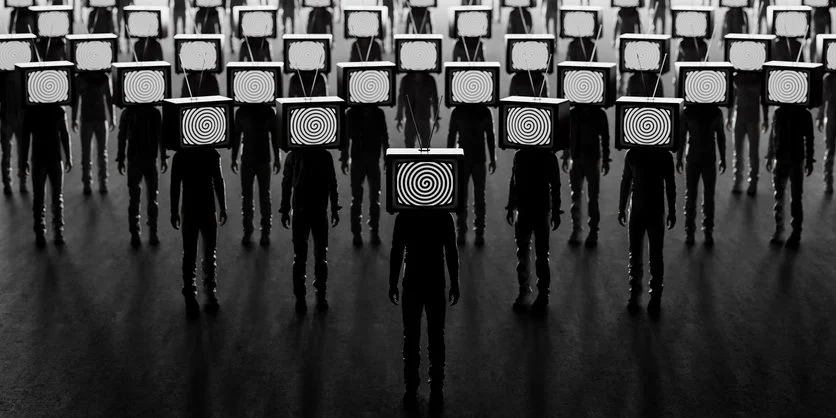
Dietrich Bonhoeffer's observations on stupidity, written amid the horrors of Nazi Germany, remain eerily relevant today. Imprisoned for his resistance against Hitler, Bonhoeffer reflected in his "Letters and Papers from Prison" that "Stupidity is a more dangerous enemy of the good than malice." He explained that while evil can be confronted, exposed, and even fought with force, stupidity offers no such foothold. "Against stupidity we are defenseless," he wrote, because reasons fall on deaf ears, facts are dismissed, and dialogue becomes impossible. Crucially, Bonhoeffer didn't equate stupidity with intellectual deficiency; instead, he saw it as a moral failing —a state in which individuals, under the sway of power, slogans, or group dynamics, abandon their capacity for independent judgment. This "theory of stupidity", similar to the recent “Mass Formation Theory” I wrote about over four years ago, posits that stupidity thrives in collectives, where intelligent people can behave irrationally, causing widespread harm. In health and medicine, where decisions impact lives en masse, this phenomenon has fueled recent crises, turning potential progress into preventable tragedies.
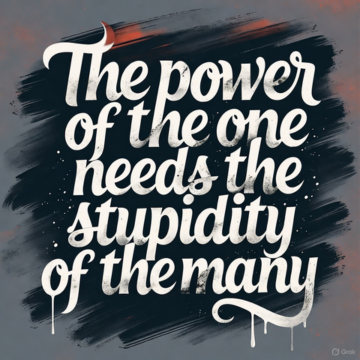
Bonhoeffer's framework illuminates how stupidity operates: it begins with isolation from diverse perspectives, amplified by propaganda or authority figures who exploit it for control. "The power of the one needs the stupidity of the many," he noted, as stupid individuals become tools for malicious ends without realizing it. Unlike evil, which is deliberate, stupidity is often unwitting, making it insidious. People caught in it shield themselves with slogans, rejecting evidence that challenges their worldview. This dynamic echoes in modern health debates, where evidence clashes with entrenched beliefs, leading to "collective stupidity" that undermines public welfare. As organizations and societies grapple with complex issues, rational individuals can contribute to destructive outcomes through cooperative but misguided behaviors.

One stark recent example is the opioid crisis in the United States, a catastrophe rooted in societal stupidity rather than pure malice. Beginning in the late 1990s, pharmaceutical companies like Purdue Pharma aggressively marketed opioids such as OxyContin as safe and non-addictive for chronic pain, despite emerging evidence to the contrary. Doctors, regulators, and even patients fell into a collective denial, overprescribing these drugs under the influence of misleading campaigns and financial incentives. Bonhoeffer's lens reveals this not as isolated greed but as stupidity amplified by systemic pressures: intelligent professionals surrendered critical thinking to industry slogans like "pain as the fifth vital sign," ignoring warnings about addiction risks. The result? Over 500,000 overdose deaths since 1999, with fentanyl-laced illicit opioids exacerbating the toll in recent years. Critics argue it's a "crisis of ignorance," where policymakers and the public failed to confront the evidence, allowing stupidity to perpetuate suffering. Even as lawsuits exposed corporate malice, the broader stupidity—willful blindness to structural flaws in healthcare—delayed reforms, mirroring Bonhoeffer's warning that stupidity leaves people "deprived of their independent judgment."

Another manifestation appears in the Satanic panic of the 1980s and 1990s, a modern moral panic reminiscent of historical witch trials, which ravaged mental health practices through unfounded fears of ritual abuse. Triggered by books like "Michelle Remembers" in 1980, where psychiatrist Lawrence Pazder used discredited recovered-memory therapy to elicit tales of Satanic ritual abuse (SRA) from his patient, the panic spread through media, therapy sessions, and legal systems. Bonhoeffer would recognize this as stupidity in action: therapists, social workers, and prosecutors, often well-trained, embraced baseless claims of organized Satanic cults abusing children, using leading questions, hypnosis, and coercive interviews to "uncover" memories that lacked any corroborating evidence. This collective folly led to over 12,000 unsubstantiated allegations, with high-profile cases like the McMartin preschool trial in 1983, where children were prompted to describe impossible rituals involving animal sacrifices and underground tunnels, resulting in years of trials but no convictions.

In the mental health field, practices like diagnosing dissociative identity disorder tied to SRA caused iatrogenic harm, implanting false memories that destroyed families and led to wrongful imprisonments. As Bonhoeffer observed, "In conversation with [the stupid person], one virtually feels that one is dealing not at all with him as a person, but with slogans, catchwords, and the like that have taken possession of him." This panic, echoing the witch hunts of Salem, where physical symptoms were misattributed to supernatural causes, contributed to real suffering: innocent people convicted, resources diverted from genuine abuse cases, and lasting distrust in psychology.

The COVID-19 pandemic itself provides the most vivid recent illustration of Bonhoeffer's theory, where stupidity fueled a global health disaster. From 2020 onward, misinformation about masks and lockdowns spread rapidly, often propelled by political leaders, which led to fragmented responses and potential harm, especially to children. Bonhoeffer's insights apply directly: stupidity emerged not from a lack of intelligence but from social isolation and power dynamics, in which partisan slogans overrode expert advice. Terms like "covidiots" captured those who flouted guidelines, but the deeper issue was collective stupidity, as smart people in echo chambers became "made stupid" by circumstances. Even post-pandemic, lingering distrust in public health institutions stems from this folly, eroding faith in science.
These examples underscore Bonhoeffer's core warning: stupidity is exploitable, turning good intentions into harm. In health, where evidence should guide decisions, collective stupidity—fostered by misinformation, polarization, and authority abuse—amplifies crises. Combating it requires not just education but also disrupting the conditions that breed it, such as echo chambers and demagoguery. As Bonhoeffer concluded, liberation from stupidity often demands "an act of liberation and salvation" against external forces, reminding us that, in medicine as in society, vigilance against folly is essential to safeguard the greater good.