The Amalgam Deception: Personal Lessons on Toxicity, Brainwashing, and Societal Manipulation
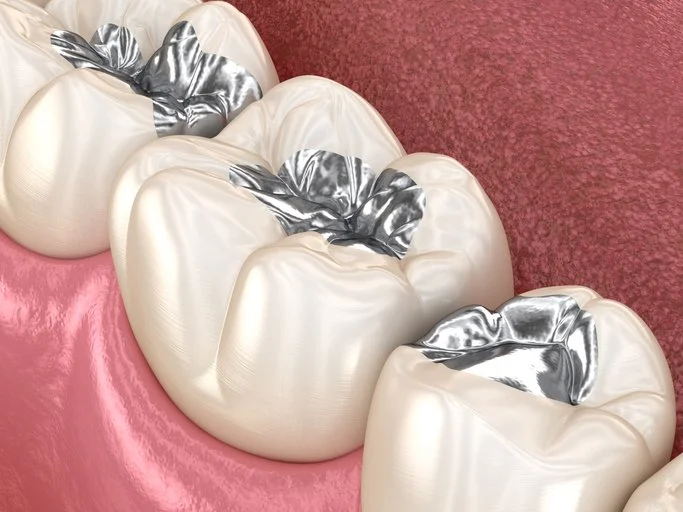
My journey into the world of dentistry began with high hopes and a rigorous education, but it quickly exposed me to a troubling undercurrent of dogma surrounding amalgam fillings. In dental school, we were repeatedly assured that these mercury-based restorations were perfectly safe for use in the mouth. Professors drilled this message into us—pun intended—emphasizing their durability and cost-effectiveness for posterior teeth. Yet mercury is a well-known neurotoxin capable of causing everything from neurological damage to immune system disruption. I had already made up my mind early on: I wouldn't incorporate amalgams into my future practice. The risks of handling raw mercury, with its potential for vapor inhalation and skin absorption, were too great. But the school's curriculum seemed designed not just to inform, but to indoctrinate.
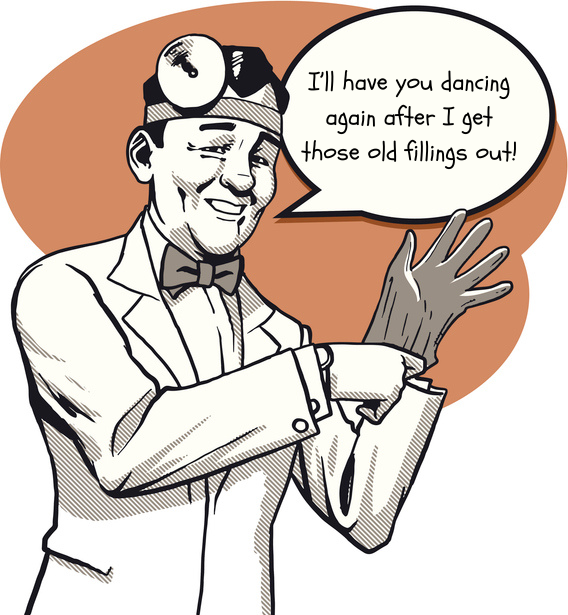
One vivid memory stands out: a screening of an absurd, outdated film featuring a doctor who claimed that removing amalgam fillings could cure various systemic illnesses, from chronic fatigue to autoimmune disorders. The production was comically archaic, with over-the-top dramatics and a style that screamed "fringe conspiracy." It was no accident; the film's buffoonish presentation was a calculated move to ridicule any skepticism about amalgam safety. By associating doubts with this caricature, our instructors effectively dismissed legitimate concerns without engaging them. This tactic mirrors the straw man argument, a common tactic of influence in which opponents' views are distorted into an easily debunked exaggeration. Instead of addressing real scientific questions about mercury's bioaccumulation, they set up a clownish straw man and knocked it down, leaving us to chuckle and move on without deeper inquiry.

Compounding this was the appeal to authority, another pervasive persuasion technique. Our professors, backed by institutional prestige and endorsements from dental associations, positioned themselves as infallible experts. "This is what the American Dental Association says," they'd proclaim, implying that questioning amalgam safety was tantamount to heresy against established science. But science isn't a monarchy ruled by decree; it's a process of hypothesis, testing, and revision. The illusory truth effect played a role here, too—by repeating the "amalgams are safe" mantra in lectures, textbooks, and exams, it became ingrained as fact through sheer repetition, even if evidence suggested otherwise. Studies have shown that mercury from amalgams can leach into the body over time, yet these were glossed over or omitted entirely.

Fearmongering added another layer of control. We were warned that promoting amalgam removal as a cure for ailments could lead to license revocation. This wasn't just advice; it was a veiled threat that instilled fear of professional ruin. Such tactics create a chilling effect, discouraging open discussion and innovation. On my last day of school, as I packed up my clinic equipment, a teacher pulled me aside with a final admonition: "Never place tooth-colored fillings in posterior teeth." This was code for insisting on amalgams, ignoring alternatives like composites that avoid mercury altogether. It felt like a parting shot in a campaign of subtle coercion, ensuring we'd carry the dogma into our practices.
When I opened my own practice, I stuck to my guns and avoided amalgams. The hazards extend far beyond the dental chair. Mining and refining mercury pollute waterways and air, endangering communities near extraction sites. Transport and disposal pose risks too—spills can contaminate soil and groundwater, leading to bioaccumulation in fish and wildlife. Environmentally, it's a ticking bomb; mercury doesn't degrade and cycles through ecosystems indefinitely. But in school, these broader implications were never mentioned. Instead, the focus was on convenience and tradition.
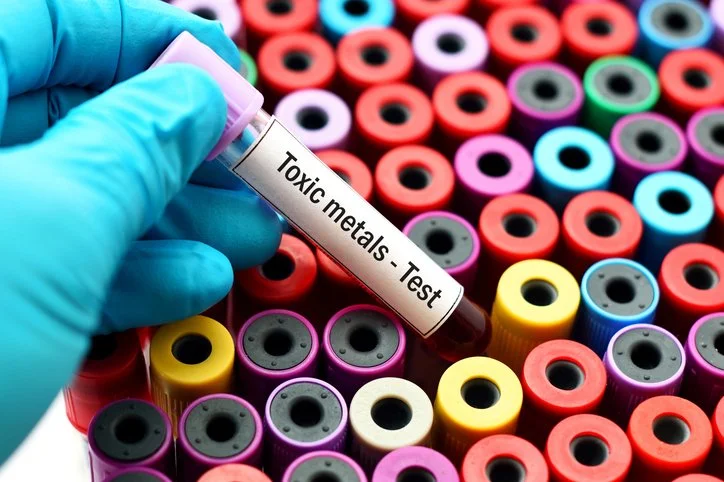
My resolve was tested when I began removing patients' existing amalgams when they were no longer serviceable. Unbeknownst to me at the time, the process separates mercury from silver, releasing massive doses that patients can swallow or inhale as vapor. I was exposed too, breathing in those fumes during procedures. The result? A diagnosis of mercury toxicity. Symptoms crept in—fatigue, memory fog, tremors—that disrupted my life and practice. Chelation therapy followed, a grueling process involving agents to bind and excrete the metal. It's unpleasant, with side effects like skin rashes and kidney strain, but it's necessary to detoxify. This personal ordeal ignited my anger toward my instructors. How could they trivialize mercury as a "trivial concern"? It smacked of arrogant brainwashing, where authority figures prioritize the status quo over safety.

In response, I adopted the SMART (Safe Mercury Amalgam Removal Technique) protocol. This involves protective measures like rubber dams to isolate teeth, high-volume suction to capture vapors, supplemental oxygen for patients, and full-body barriers. It's a game-changer that minimizes exposure and protects everyone involved. Implementing SMART not only safeguarded my health but also empowered me to educate patients on informed choices. You can learn the specifics in my post here. Yet, upon reflection, I see the instructors' methods as self-serving lies. By downplaying risks, they preserved a lucrative status quo—amalgams are cheap and quick to place, boosting profits. But at what cost? They were lying to themselves and us to "make a buck," as the saying goes.

These influence tactics aren't unique to dentistry; they're woven into daily life. Advertisers excel at them, using appeal to authority by trotting out celebrity endorsements or "expert" testimonials to sell products. Think of skincare ads claiming "dermatologist-approved" miracles, repeating claims until the illusory truth effect makes us believe a cream can erase years overnight. Straw men appear when brands caricature competitors as outdated or inferior, without addressing real comparisons. Fearmongering? It's rampant in marketing where they try to paint vivid pictures of disasters to spur impulse buys.
Politicians deploy these tools masterfully. Appeal to authority is used by citing "top economists" or "intelligence experts" to push policies, often without transparent data. Straw man arguments distort opponents' positions—labeling a tax reform skeptic as "anti-progress" to rally support. The illusory truth effect thrives in echo chambers, where repeated slogans like "build the wall" or "defund the police" solidify as unquestioned truths. Fearmongering escalates during elections, warning of economic collapse or societal breakdown if the "wrong" side wins. Skeptics are demonized as "deniers" or "extremists," dismissed without debate. Colleagues who dissent face cancellation, platform bans, or job loss in a modern witch hunt.

Journalism, meant to be a bulwark against such manipulation, often compounds the problem. Poor reporting skips deep dives, favoring sensationalism or consensus narratives. Many journalists claim to "expose the truth," but instead dismiss valid concerns by appealing to majority opinion. "The science is settled," they proclaim, echoing dental school's playbook. But science doesn't operate by consensus; it advances through outliers like Galileo or Einstein, challenging norms. During the COVID era, this was glaring. Questioning lockdowns, vaccine mandates, or origins was met with straw man labels like "anti-vaxxer" or "conspiracy theorist." Fearmongering dominated headlines, amplifying worst-case scenarios to enforce compliance. Appeals to authority from health officials silenced debate, while the illusory truth effect turned phrases like "follow the science" into mantras, even as data evolved.
The parallels to my amalgam experience are striking. In both cases, authority figures "programmed" acceptance, demonizing dissent to protect vested interests. Whether in medicine, politics, or media, these tactics erode trust and critical thinking. Recognizing them—straw men, illusory truths, fear, and authority appeals—empowers us to question boldly. My mercury ordeal taught me that silence can be toxic; speaking out, armed with evidence, is the antidote. Let's demand transparency, not dogma, in all spheres. After all, true progress comes from scrutiny, not suppression.