Fighting Muscle Loss with Branched-Chain Amino Acids: What You Need to Know

Last week (yet to be published), I was researching essential nutrients, including amino acids. I was inspired to focus on the branched-chain version today. Branched-chain amino acids (BCAAs) are a group of three essential amino acids—leucine, isoleucine, and valine—that the body cannot produce on its own, meaning I must obtain them through my diet. Unlike other amino acids, BCAAs are unique because they are metabolized directly in muscle tissue rather than in the liver, which gives them a direct impact on muscle protein synthesis. This process is the foundation of muscle growth and repair, making BCAAs a vital component for anyone engaged in strength training, endurance sports, or even daily physical activity.
Leucine stands out as the MVP among the trio, acting as a key trigger for muscle protein synthesis. When we consume leucine, it activates a pathway called the mTOR (mechanistic target of rapamycin) signaling pathway, which signals my muscles to start building new proteins. Isoleucine supports energy production during exercise, helping to prevent muscle breakdown, while valine contributes to muscle recovery by aiding in tissue repair. Together, these BCAAs create a synergistic effect that enhances muscle mass and strength over time.
The regulation of BCAAs in muscle tissue involves a delicate balance. When we exercise, our muscles experience micro-tears, and BCAAs help repair these tears by providing the raw materials needed for protein synthesis. Additionally, insulin—a hormone released after we eat—plays a regulatory role by enhancing the uptake of BCAAs into muscle cells, further promoting growth. However, if we don't consume enough BCAAs or if our bodies are in a catabolic state (such as during prolonged fasting or intense training without proper nutrition), muscle breakdown can occur, counteracting these benefits. Maintaining adequate intake and timing our meals around workouts can optimize this regulatory mechanism, ensuring my muscles thrive.
Best Whole Food Sources of Branched-Chain Amino Acids
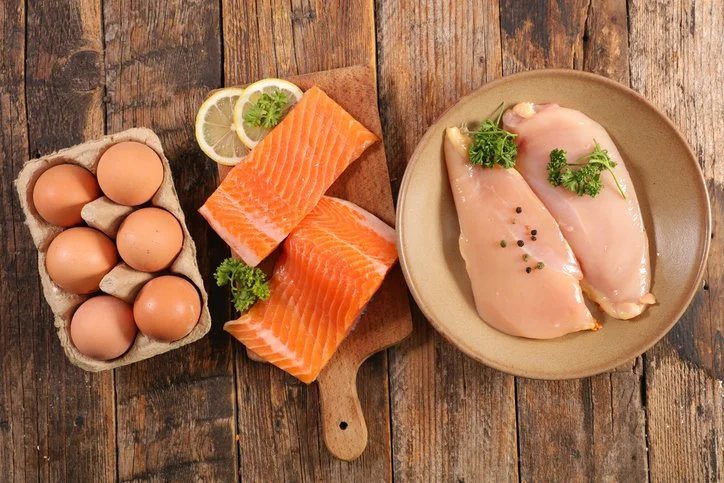
While supplements are popular, the best way to fuel our bodies with BCAAs is through whole, nutrient-dense foods. These natural sources not only provide BCAAs but also contain other essential nutrients that support overall health. Here are some of the top whole food options I rely on:
Chicken Breast: A lean protein powerhouse, chicken breast is rich in leucine, isoleucine, and valine. A 100-gram serving can provide around 6-7 grams of BCAAs, making it a staple for muscle-building meals.
Salmon: This fatty fish provides a delicious way to obtain BCAAs, along with omega-3 fatty acids, which help reduce inflammation and support recovery. A 100-gram portion delivers approximately 5-6 grams of BCAAs.
Eggs: Whole eggs are a fantastic source, with the yolk and white together providing a balanced mix of BCAAs. One large egg contains about 1-1.5 grams of BCAAs, and I love adding them to my breakfast for a steady supply.
Beef: Grass-fed beef is rich in BCAAs, providing approximately 6-7 grams per 100-gram serving. It's also rich in iron and zinc, which support muscle function and oxygen delivery.
Greek Yogurt: This creamy delight provides a solid dose of BCAAs—approximately 3-4 grams per 100 grams—along with probiotics for gut health, making it a versatile addition to snacks or meals.
Lentils: For a plant-based option, lentils are a great choice, offering around 2-3 grams of BCAAs per 100 grams when cooked. Pairing them with rice creates a complete protein profile, ideal for vegetarians like me.
Incorporating these foods into our diets ensures we get a steady stream of BCAAs while enjoying a variety of flavors and textures. You can often combine them in meals—such as grilled salmon with lentils or chicken with Greek yogurt—to maximize your intake and support any muscle-building goals.
Combating Sarcopenia with Branched-Chain Amino Acids
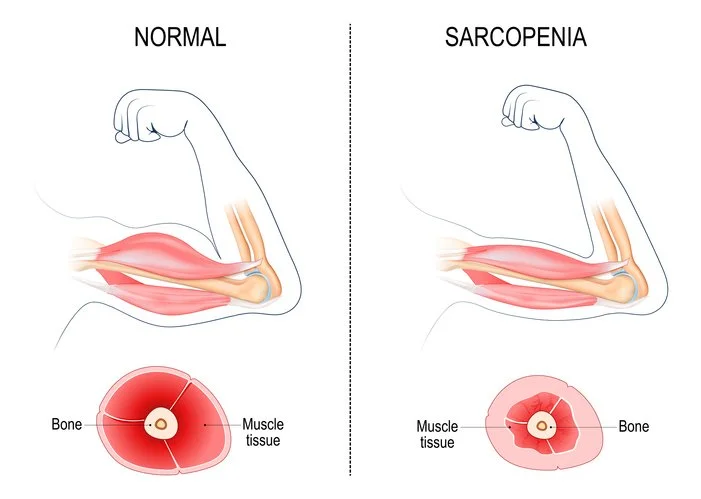
As we age, we face the risk of sarcopenia, a condition characterized by the progressive loss of muscle mass, strength, and function. This natural part of aging can start as early as the 30s or 40s and accelerates after 60, leading to frailty, reduced mobility, and an increased risk of falls. The good news? BCAAs, particularly leucine, can be a powerful tool to arrest this decline. You can read my previous post on it here.
Sarcopenia occurs when the balance between muscle protein synthesis and breakdown tips toward breakdown, often due to reduced physical activity, hormonal changes, or inadequate nutrition. Leucine's ability to activate the mTOR pathway becomes even more critical here, as it helps stimulate muscle protein synthesis even in older adults. Studies suggest that a leucine-rich diet, combined with resistance exercise, can slow the progression of sarcopenia by preserving muscle mass and improving strength.
We can take proactive steps by ensuring our diet includes sufficient BCAAs, especially as we get older. For example, adding a serving of chicken breast or salmon to my meals, paired with regular strength training, can help maintain my muscle health. Additionally, timing BCAA intake—such as consuming Greek yogurt or eggs after a workout—can enhance recovery and support long-term muscle maintenance. While sarcopenia is a complex condition influenced by multiple factors, BCAAs serve as a key component in my strategy to stay strong and active well into my later years.
Conclusion
Branched-chain amino acids—leucine, isoleucine, and valine—are the unsung heroes of muscle growth, repair, and maintenance. By understanding their regulatory mechanisms, we can optimize our intake to support our fitness goals, whether we're lifting weights or simply staying active. Whole foods like chicken, salmon, eggs, beef, Greek yogurt, and lentils provide a delicious and natural way to boost my BCAA levels, while their role in combating sarcopenia offers hope for a stronger future. As you continue to prioritize these nutrients, you're not just building muscles—you're investing in your long-term health and vitality. So, why not start today? Incorporate these powerhouse foods into your diet and feel the difference in your body and strength.