Unlocking the Secrets of Body Composition and Energy Management
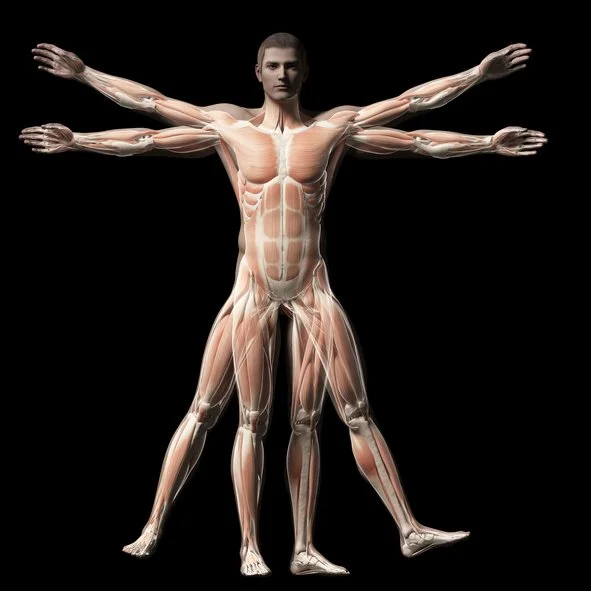
The human body is a marvel of efficiency, designed to thrive on specific building blocks and energy sources. At its core, our composition tells a story of what we truly need. Approximately 62% of our bodies is water, which is essential for every cellular function. Protein makes up about 20%, forming the structural foundation of muscles (red meat), organs (red meat), enzymes, and hormones. Fat (primarily saturated) accounts for about 10% of the body in a person with a normal BMI and serves dual roles in energy provision and cellular integrity. Carbohydrates (glycogen) are a mere 1.5%, with nucleic acids at 1% and minerals (mostly bones) comprising the remaining 5.5%. This breakdown isn't random; it reflects evolutionary adaptations to our environment and dietary realities. We're not built like plants that store vast amounts of starch—we're optimized for mobility, repair, and survival in varying conditions. In essence, we are made of fatty red meat full of cholesterol.

Let's start with fat, often vilified in modern diets but crucial for our existence. The fat in our bodies is primarily used for energy, though a portion is structural, cushioning organs and forming cell membranes. Unlike carbohydrates, which are fleeting, fat is our long-term fuel reserve. When energy demands arise—during fasting, exercise, or periods of calorie shortage—in metabolically healthy people (only 12% of the American population), the body taps into these stores. This makes sense biologically; fat is high in calories, providing 9 per gram compared to 4 from carbs or protein. But here's the key: the fat we store is mostly saturated, the stable form that resists oxidation and spoilage. We don't hoard unstable fats like omega-3s and omega-6s in large quantities; those are reserved for structural roles, such as in brain tissue or anti-inflammatory processes. This selectivity underscores the body's preference for reliability in energy storage.
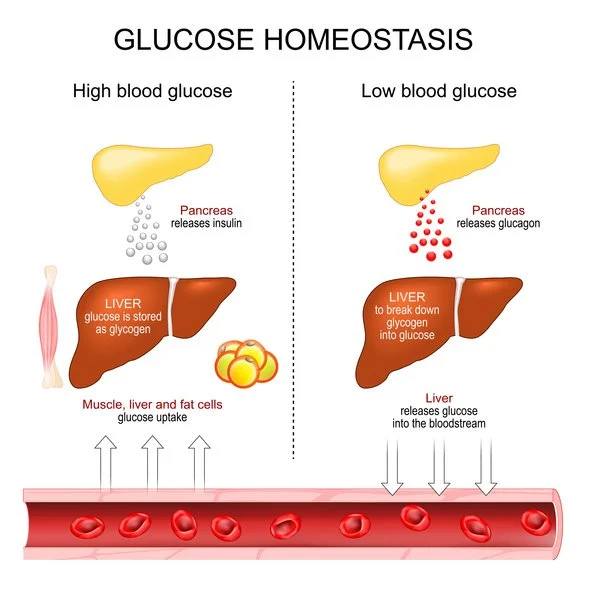
In stark contrast, carbohydrates play a minimal role in our structural makeup. We're hardly made of them, and for good reason—the human body is remarkably poor at storing carbs long-term. What little we do store comes as glycogen, a branched chain of glucose molecules tucked away in muscles and the liver. This serves as an emergency energy buffer, ready for quick release during intense activity or stress. Glycogen reserves are limited, typically holding enough for a day or two of moderate needs. Beyond that, the body has no efficient way to expand this storage without consequences. This limitation ties directly to blood sugar regulation, a tightly controlled system. Believe it or not, excess sugar in the blood is toxic. It can damage proteins, nerves, and blood vessels through processes like glycation, which is why uncontrolled diabetes leads to complications such as neuropathy, retinopathy, and cardiovascular disease.

The safe carrying capacity for blood sugar is astonishingly small—equivalent to about a teaspoon circulating at any time. Our bodies maintain this homeostasis through hormones like insulin, which swiftly usher glucose into cells for use or storage. First, it tries to replenish glycogen depots. But since those fill up quickly, any surplus is converted to fat via de novo lipogenesis in the liver. This conversion prioritizes stability, again favoring saturated fats. We attempt to burn incoming sugar first, as it's readily available and can be harmful if it lingers. However, if energy demands are low—say, during sedentary periods or after overeating—the excess is directed straight to fat depots. This mechanism explains why fat becomes our primary energy source in times of need; it's the default repository for overflow calories.
This brings us to a critical point: excess carbohydrates disrupt fat burning. Because of their toxicity and limited storage, carbs take metabolic precedence. When blood sugar rises, insulin surges, signaling the body to store rather than mobilize fat. Lipolysis—the breakdown of fat for energy—grinds to a halt. In a constant-carb environment, we never dip into those reserves. Complex carbohydrates from whole foods like vegetables mitigate this somewhat; their fiber and structure slow digestion, preventing sharp blood sugar spikes. They release glucose gradually, allowing for steady energy without overwhelming the system. But modern diets are riddled with processed carbs—refined grains, sugary snacks, and beverages—that hit the bloodstream like a flood. These spike insulin, shut down fat oxidation, and promote storage.

Compounding this are our eating patterns. Many people consume three meals a day plus snacks and calorie-dense drinks, keeping blood sugar elevated for hours. Over time, this can impair metabolic flexibility—the ability to switch between carb and fat burning. Mitochondria, our cellular powerhouses, adapt to constant glucose availability, downregulating enzymes for fat metabolism. The result? Excess fat accumulation. A person might balloon to 20-30% body fat or more, far beyond the natural 10% baseline. Ironically, in this state, the body clings to fat stores, perceiving the carb-fueled environment as one of abundance where conservation is key. As I mentioned before, only about 12% of Americans avoid metabolic damage from our food supply.

Logically, then, accessing our own fat for energy requires breaking this cycle. In a setting of excess calories—whether from carbs or fats—the body won't touch its reserves. It prioritizes incoming fuel. But introduce a calorie deficit, and the dynamics shift. This is the foundational theory of dieting: reduce intake below expenditure, and the body turns inward. Hormones like glucagon and adrenaline rise, promoting lipolysis. Stored triglycerides are broken down into fatty acids and glycerol, which are then used by cells via beta-oxidation. This process isn't just about weight loss; it's restorative, clearing out dysfunctional fat cells and improving insulin sensitivity. However, sustainability matters. Crash diets can backfire, slowing metabolism as the body adapts to perceived famine. A moderate deficit, combined with activity, yields better results.

Yet, energy isn't the whole story. Food also supplies raw materials for growth, maintenance, and repair. Our 20% protein composition highlights its primacy. Proteins are chains of amino acids, nine of which are essential and must come from the diet. They're used to build and mend tissues, synthesize enzymes, and support immune function. Without adequate intake, we catabolize (break down) our own muscle tissue—a counterproductive process. Quality matters here; not all proteins are equal. Animal-based sources—meat, eggs, dairy, and fish—provide complete profiles with all essential amino acids in bioavailable forms. Plant proteins often lack one or more amino acids, requiring careful combining, and their absorption can be hindered by anti-nutrients like phytates. For optimal health, especially in repair-heavy phases like aging or injury, animal proteins reign supreme. They align with our evolutionary diet, where hunters prioritized nutrient-dense meats over sparse carbs.
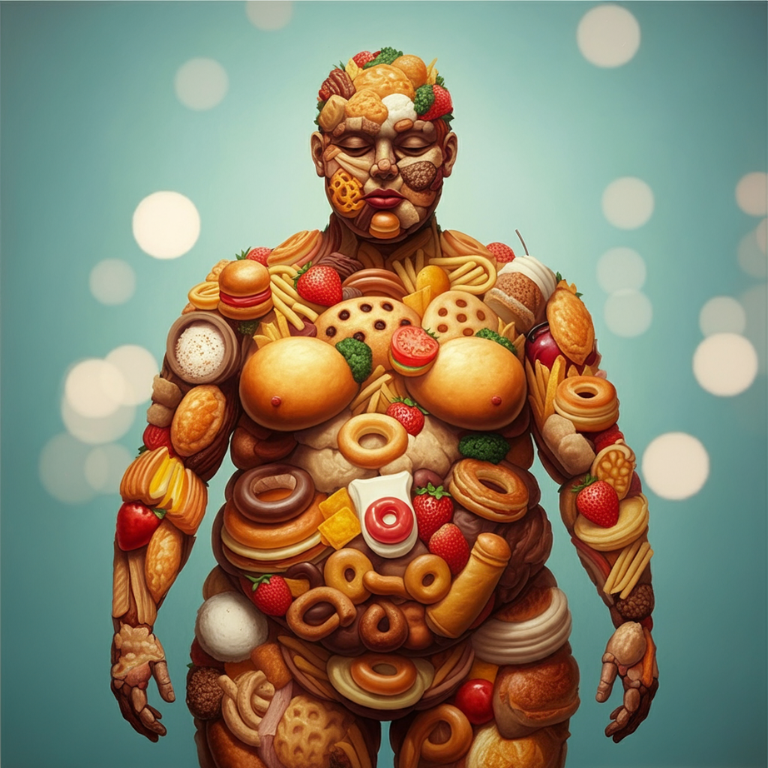
This perspective challenges carb-centric paradigms like the old food pyramid, which emphasized grains. Instead, it advocates for a balanced approach: ample protein for structure, fats for sustained energy, and carbs as occasional allies from whole sources. By minimizing processed sugars and allowing periods of low intake—perhaps through intermittent fasting—we restore fat-burning prowess. Imagine a day with two protein-rich meals, veggies, and healthy fats from avocados or nuts. Blood sugar stabilizes, insulin drops, and fat mobilization resumes. Over weeks, body composition shifts toward leaner mass, energy levels soar, and chronic issues like fatigue or inflammation wane.
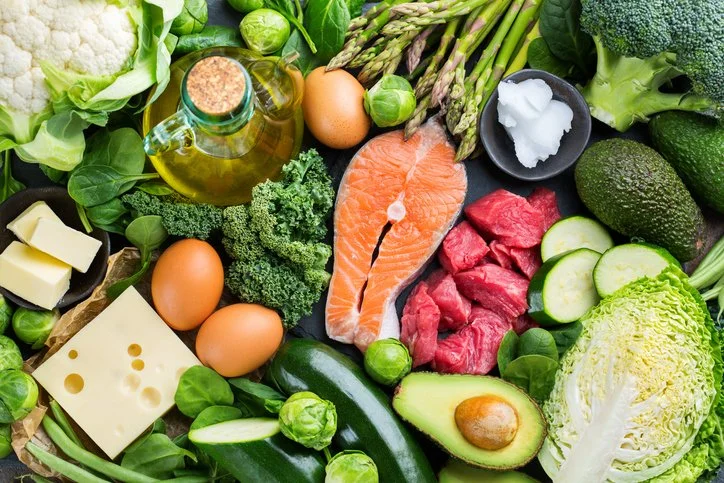
In conclusion, our bodies' design favors saturated fat as a reliable energy store, high-quality protein for maintaining our human bodily version of red meat, and treats carbs as a quick but risky fuel. The kale smoothie we drink ends up as fatty red meat called our bodies, and we are told this is the way to go to ensure optimal health. We have also been told that the ribeye we eat, the epitome of fatty red meat, will also become fatty red meat in our bodies, but somehow it will be a health risk. Something is not adding up here, folks. For proof, please read my post about the vegetarian, whole-grain-based ancient Egyptians and their poor health. In essence, we are not what we eat. We are the products of the beneficial nutrients in our diets. If we eat too many sweet bananas, we won’t become part banana, but we may store the excess energy as fat. What we must understand is that excess carbs, especially processed ones, hijack this system, leading to fat gain and metabolic rigidity. Prioritizing animal proteins ensures we meet repair needs, while calorie awareness unlocks our reserves. This isn't about demonizing any macronutrient but aligning with biology. By understanding these principles, we empower ourselves to eat not just for pleasure, but for vitality and longevity. Whether you're aiming to shed pounds or optimize health, remember: your body knows best—feed it accordingly.