Rethinking Food: Why Fructose and Excess Omega-6 Oils Aren't Really Food—We Only Think They Are—and How They Wreck Metabolism
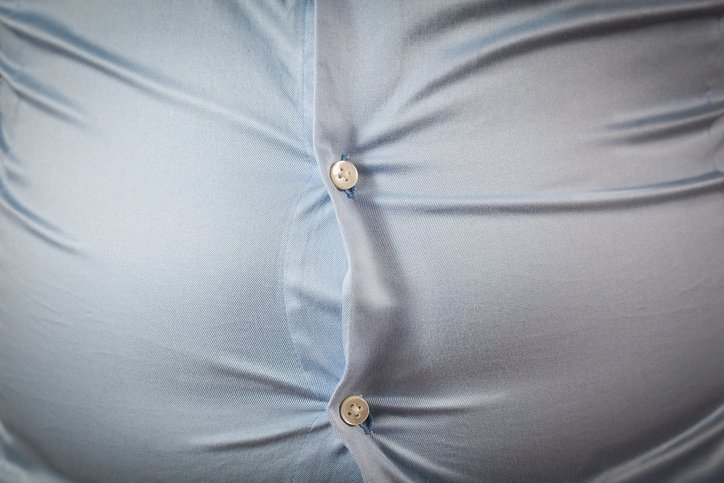
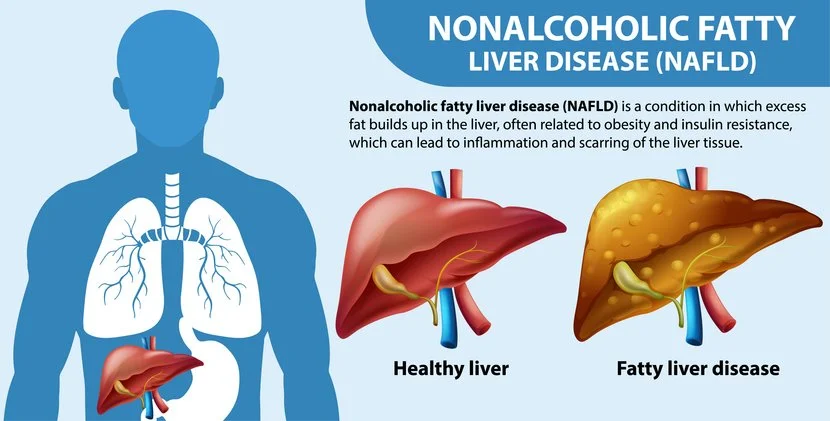
Gaining fat isn't just about eating more calories than you burn; it's also about where and how your body stores that fat, which depends on the nutrients you eat. Visceral fat, which sits deep in the abdomen around organs like the liver and intestines, is different from subcutaneous fat, the softer layer just under your skin. You know the difference; it looks like a basketball was swallowed, or, even like pregnancy, even in males. Subcutaneous fat primarily serves as a harmless energy reserve and insulator, whereas visceral fat is more active and can cause inflammation. It sends fatty acids straight into the portal vein, which carries blood from your digestive organs to your liver. Because of this, visceral fat plays a big role in insulin resistance, in which your cells don't respond well to insulin, leading to elevated blood sugar. It's also linked to heart disease and non-alcoholic fatty liver disease (NAFLD).
On the other hand, subcutaneous fat is less risky and often helps prevent excess fat from accumulating in more dangerous areas. Perhaps more alarmingly, research indicates that each extra inch of waistline associated with visceral fat can increase the risk of cardiovascular disease by approximately 10%, highlighting the critical importance of managing abdominal obesity.
The typical American diet, full of processed foods high in fructose and omega-6 oils, encourages the buildup of visceral fat and makes regular meals harmful to our metabolism. Dr. Robert Lustig, a well-known pediatric endocrinologist, has shown that fructose is a major problem because of how the body processes it. Unlike glucose, which almost every cell uses for energy, fructose mostly goes straight to the liver through the portal vein before being broken down. Interestingly, a large portion of fructose in the U.S. diet comes from subsidized corn sweeteners, highlighting a systemic issue driven by agricultural policies. These subsidies make these sweeteners cheaper than healthier alternatives, thereby perpetuating their prevalence in our food supply and overshadowing personal dietary choices. Addressing this systemic force can help explain why such ingredients remain dominant in American kitchens despite known health risks.
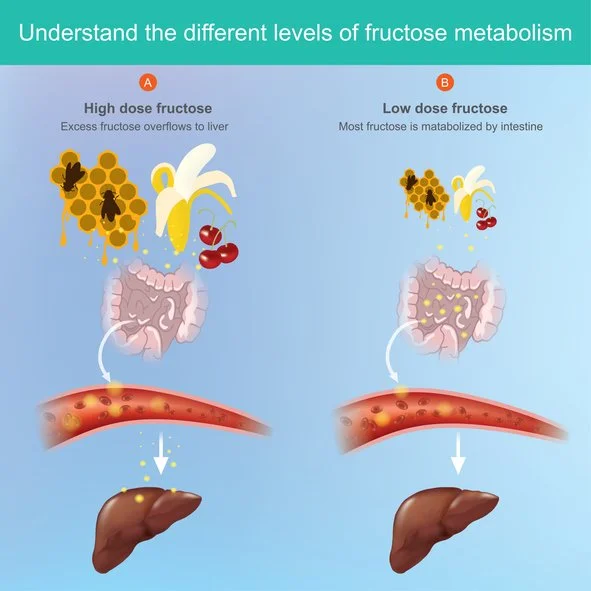
This process bypasses the body's normal controls, allowing fructose to overload the liver. Lustig explains that fructose blocks three important enzymes needed for healthy mitochondria: AMP-activated protein kinase (AMPK), which helps balance energy; acyl-CoA dehydrogenase long-chain (ACAD-L), which breaks down fatty acids; and carnitine palmitoyltransferase 1a (CPT1a), which moves fatty acids into mitochondria to be used for energy. Think of these enzymes as factory conveyor belts that keep the energy production line running smoothly. When fructose is introduced, it's like hitting a stop button, abruptly halting the entire energy production process. This simple analogy helps us grasp how crucial these enzymes are in maintaining the body's energy flow.
When these enzymes are blocked by fructose, the liver starts making fat instead of burning it, a process called de novo lipogenesis, where new fats are made from carbs. This causes triglycerides to accumulate rapidly in the liver, a sign of NAFLD. The problem doesn't stop there. New studies show that some fructose is also broken down in the intestines, where it is converted into fatty acids that are directly deposited in visceral fat stores. This process in the gut makes belly fat worse, since these fats are stored around organs, which hurts insulin signaling and causes inflammation. Studies have found that diets high in fructose lead to greater visceral fat, even when total calorie intake remains the same. This shows that fructose specifically encourages this harmful type of fat.
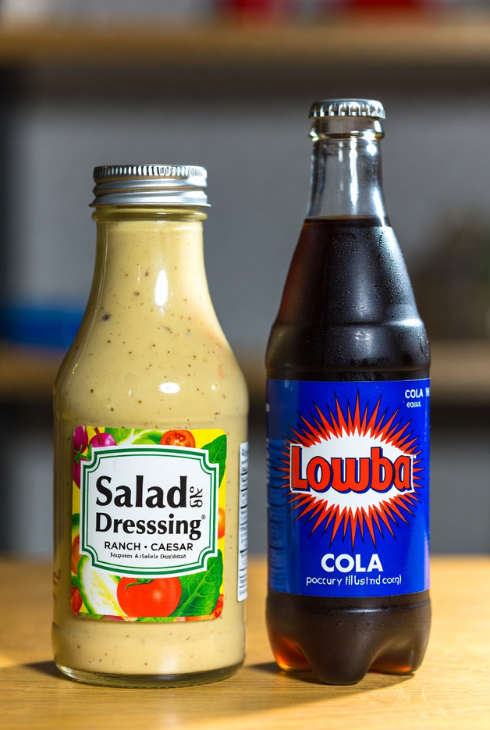
When liver fat builds up, it sets in motion a cycle in which extra visceral fat sends more fatty acids back to the liver, exacerbating fat buildup and metabolic problems. Too much omega-6 oil, found in many American foods like vegetable oils, fried snacks, and processed products, adds to the problem by damaging mitochondria, the cell's energy centers. Omega-6 fats like linoleic acid become part of cardiolipin, a key part of the inner mitochondrial membrane. Cardiolipin usually helps keep the mitochondrial membrane stable and supports energy production. But too much omega-6 leads to excess tetralinoleoyl cardiolipin, weakening the membrane and increasing its vulnerability to damage, like draining a battery. Lastly, since omega-6 fatty acids are essential to us, meaning our bodies can't make them, we primarily use them as building blocks rather than as a direct energy source. Consequently, when your packet of salad dressing, which is primarily made of omega-6 oils, tells you that you are consuming 150 calories, those calories contribute to structural tissue rather than being burned for immediate energy. This structural use of omega-6 can be supported by studies on the metabolic fate of essential fats, which emphasize their incorporation into cellular membranes rather than direct oxidation for energy. Anchoring this understanding can help pre-empt skepticism regarding the role of omega-6 fats in the body.
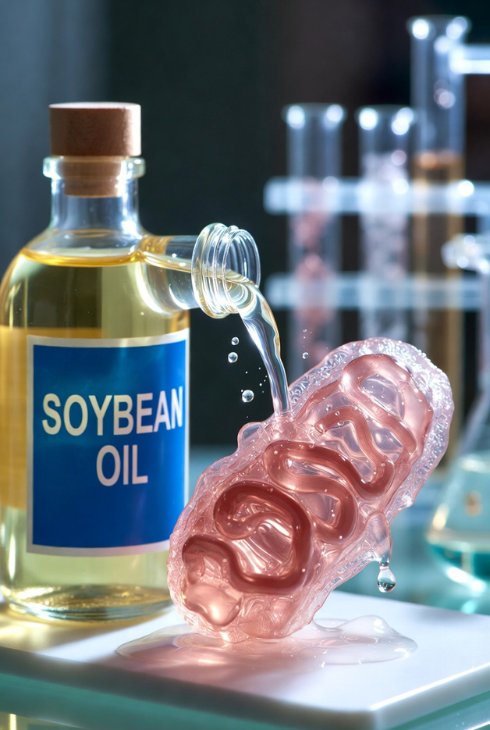
This type of damage disrupts the mitochondrial membrane and affects the electron transport chain, so cells produce less ATP and use energy less efficiently. In the liver and fat tissue, when mitochondria don't work well, more fat builds up because cells can't burn fatty acids properly. Animal studies show that diets high in omega-6 fatty acids increase mitochondrial stress, reduce energy efficiency, and cause heart and liver problems. To counteract these effects, consider simple dietary swaps, such as using olive oil instead of vegetable oils high in omega-6 fatty acids. This change can help protect your mitochondria and support better energy production. When omega-6 and fructose are combined, they increase mitochondrial inflammation and accelerate NAFLD progression.
The liver processes fructose and ethanol in very similar ways. As Lustig often says, fructose is like 'alcohol without the buzz.' Both fructose and ethanol are mainly broken down in the liver, where they cause the body to make more fat and stop burning it. A margarita hits your liver hard, prompting the organ to convert it into fat, and within minutes, a soda mirrors this effect just as stealthily. Ethanol leads to alcoholic fatty liver by overloading mitochondria, which causes fat buildup and scarring. Fructose does something similar by creating harmful molecules and triglycerides, leading to NAFLD that looks like alcoholic liver disease. When people consume both alcohol and fructose, the damage happens faster. Studies show that together, they make metabolic problems worse, even if they don't always cause obesity.
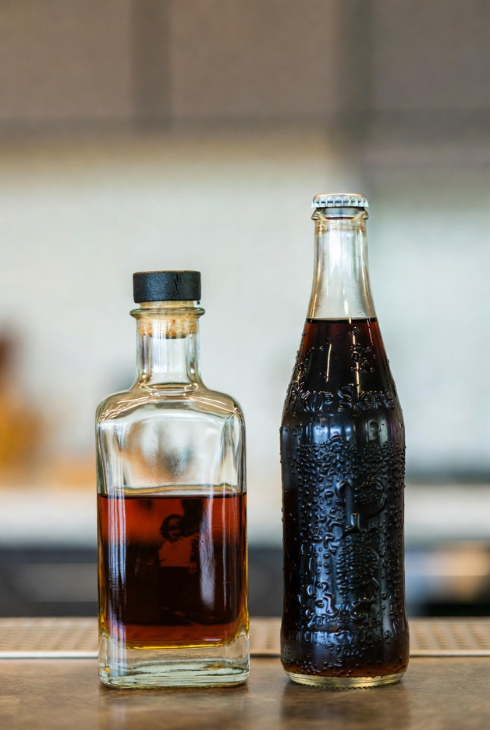
This similarity to alcohol helps explain why sugary sodas and snacks are so harmful, especially in a society where many people already have liver stress. Stress makes things worse, since cortisol, the main stress hormone, directly affects visceral fat. When stress is constant, cortisol signals fat cells to store more fat around organs to prepare for 'fight or flight.' This pattern causes more visceral fat to accumulate, even in people who aren't overweight, because cortisol breaks down fat in other areas while promoting storage in the belly. This effect is especially strong in women, connecting stress to higher waist-to-hip ratios and greater metabolic risk. To combat this, consider incorporating short deep-breathing exercises into your daily routine. Taking a few minutes to breathe deeply can help lower cortisol levels and manage stress more effectively, which can reduce visceral fat.

Amid modern stressors like work pressure and poor sleep, this hormonal drive amplifies the fat-promoting effects of fructose and omega-6, creating a perfect storm for abdominal obesity. High insulin levels, often spiked by fructose-heavy diets, further fuel fat accumulation. Imagine insulin as a traffic cop, waving glucose into fat parking lots—encouraging its conversion into stored triglycerides while halting the breakdown of fats. When someone has insulin resistance, which is common with excess visceral fat, the body produces more insulin to keep up. This leads to high insulin levels, which cause fat to be stored in the liver and muscles. Remember this: insulin stops fat from being burned. This not only increases fat stores but also sustains insulin resistance, since extra visceral fat releases chemicals that make it harder for insulin to work. Fructose makes this problem worse, not by raising insulin levels directly, but by causing more fat to accumulate in the liver, which adds to the metabolic mess.
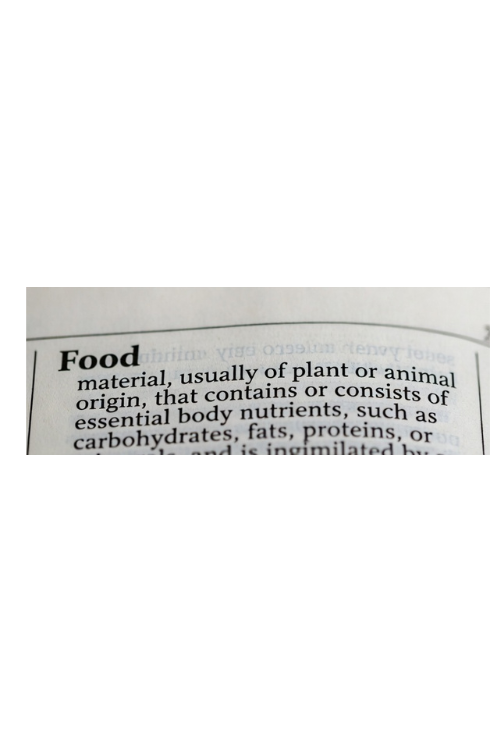
Now, let's look at how the American Heritage Dictionary defines food: "material, usually of plant or animal origin, that contains or consists of essential body nutrients, such as carbohydrates, fats, proteins, vitamins, or minerals, and is ingested and assimilated by an organism to produce energy, stimulate growth, and maintain life." Let me simplify: Food is stuff we eat to produce energy, stimulate growth, and maintain life. Before we conclude fructose, consider a question: Would you still call something food if it depleted your body's resources rather than nourishing them? Fructose is a carbohydrate, but it's not essential; people can live well without it. Unlike real nutrients, fructose doesn't easily provide energy. Instead, the body turns it into fat, disrupting metabolism and leading to disease rather than supporting life. If you want to call that growth, it is not normal and healthy, just as cancer is growth, but not the kind you would ever desire. So, I personally consider fructose non-food.
Fructose lacks vitamins and minerals and acts more like a toxin, like alcohol, by overloading the liver without providing the body with what it needs. When eaten in large amounts, as is common in American diets, it doesn't support growth or health; it harms them. This shows that fructose isn't really food—it's a health risk in disguise.
To sum up, the combination of fructose, omega-6 fats, stress, and insulin problems shows how unhealthy many American eating habits are. By choosing more whole foods and fewer processed ones, we can lower these risks and improve our health, one choice at a time. For practical changes, consider opting for sparkling water over soda to cut sugar intake, choosing avocado over chips as a healthier snack, and using olive oil instead of seed oils for cooking. These simple swaps can significantly improve your diet and support a healthier metabolism. As always, I recommend a diet of whole foods, including animal-based foods with their inherent fats, while avoiding processed carbohydrates and seed oils.