From Skin to Desire: The Science of Sun Exposure Enhancing Testosterone, Estrogen, and Passion

Now that the summer is almost here, I would like to talk about one more lesser-known benefit of sun exposure. This will be my first post in a series of four about the summer and its health effects. For decades, scientists have known that sunlight influences more than just our mood or bone health. Beyond its role in synthesizing vitamin D, recent discoveries reveal a sophisticated biological pathway in which UVB rays—the specific wavelength responsible for tanning—interact with skin cells to regulate sex hormones. This isn't just about seasonal mood swings or better sleep; it's a direct link to increased testosterone and estrogen production that translates into stronger sexual desire, better performance, and heightened attraction. At the heart of this connection is the skin itself, long overlooked as a simple barrier but now understood as an endocrine organ. When UVB photons strike keratinocytes (the main cells in the epidermis), they activate the tumor-suppressor protein p53. This triggers a cascade of signals that travel to the brain's hypothalamus and pituitary gland, ramping up the hypothalamus-pituitary-gonadal (HPG) axis. The result? Surging levels of gonadotropin-releasing hormone (GnRH), follicle-stimulating hormone (FSH), and luteinizing hormone (LH), which in turn stimulate the gonads to produce more sex steroids.
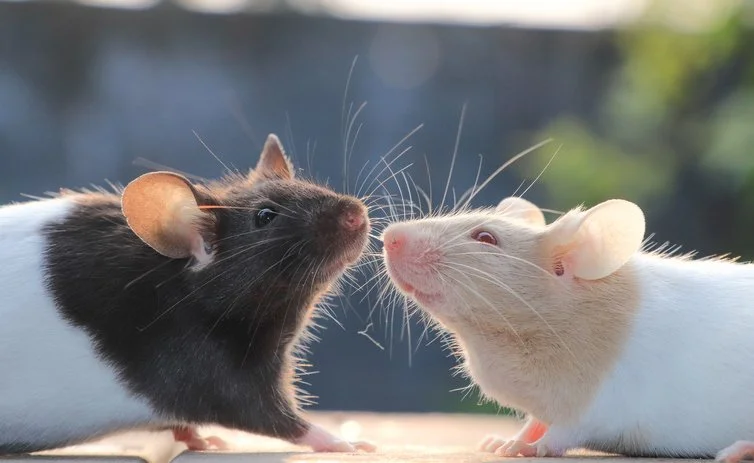
In male mice, controlled UVB exposure (equivalent to moderate human sun time) significantly raised circulating testosterone while leaving cortisol unchanged—ruling out stress as the driver. Ovaries in females grew larger, estrus cycles lengthened, and anti-Müllerian hormone (AMH) expression increased, signaling a bigger pool of healthy follicles. Both sexes showed elevated estrogen signaling pathways. Behaviorally, the changes were dramatic: UVB-treated females became more attractive to males, eliciting more ultrasonic vocalizations, sniffing, grooming, and successful intromissions. Males courted them more quickly and more intensively. Anxiety dropped, and mating willingness soared. Crucially, knocking out p53 in skin cells but not in other tissues completely abolished these effects, proving that the skin is the master regulator—not the eyes or direct gonadal exposure.

Human data mirrors these findings with striking real-world relevance. In a controlled study, volunteers avoided the sun for two days, then received 25 minutes of midday solar exposure (2,000 mJ/cm² UVB). Blood proteomics showed strong activation of upstream regulators for testosterone, β-estradiol, progesterone, and estrogen in both men and women. Large health-service datasets from Israel (over 13,000 young men) confirmed that testosterone peaks in July—the sunniest month—then drops in winter. Men whose ancestry traces to lower-UV regions showed even sharper summer spikes, highlighting the roles of skin pigmentation and UV reactivity.
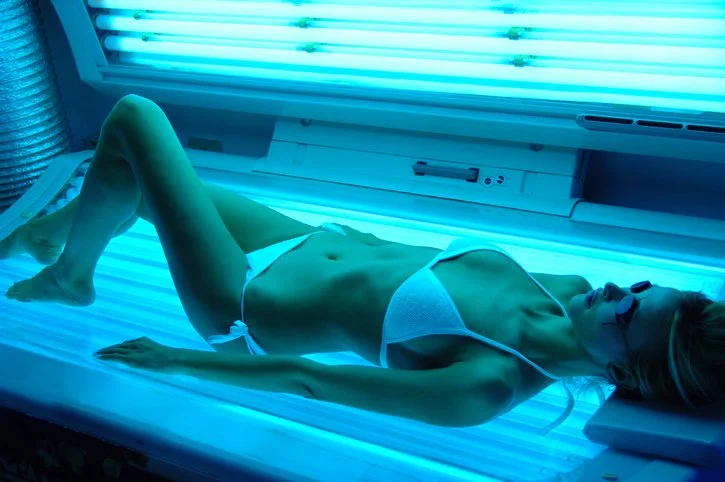
A separate analysis of phototherapy patients (low-dose UVB sessions) revealed increased romantic passion on the Passionate Love Scale. Men reported more obsessive thoughts about their partners and greater yearning for closeness; women reported stronger physical responses to touch and greater idealization of their partners. Men also scored higher on verbal assertiveness, consistent with testosterone's effects. These shifts occurred rapidly—within weeks—suggesting sunlight's influence extends far beyond vitamin D alone.
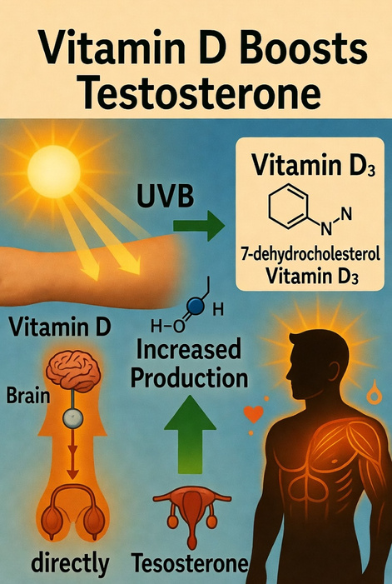
Vitamin D, produced when UVB converts 7-dehydrocholesterol in skin, provides an additional layer. Multiple studies link optimal 25(OH)D levels to higher total, free, and bioactive testosterone, especially in deficient individuals. One trial with overweight men showed supplementation raised testosterone by over 20% alongside vitamin D gains. Professional athletes exposed to winter sun in Cyprus saw parallel jumps in free and total testosterone, sprint speed, and performance—effects replicated by high-dose vitamin D pills.
For women, vitamin D supports estrogen biosynthesis in ovarian cells, helping regulate cycles and libido. Bright light therapy mimicking sunlight (30 minutes daily for two weeks) tripled sexual satisfaction scores in men with low libido while boosting testosterone nearly 70%, likely via pituitary LH stimulation and circadian alignment.
The downstream impact on sexual drive is multifaceted. Higher testosterone levels fuel libido, energy, muscle mass, and confidence in men; balanced estrogen and progesterone levels enhance receptivity, lubrication, and emotional connection in women. Reduced anxiety from the HPG axis activation further lowers barriers to intimacy. Seasonal data show summer peaks in conception in many populations—partly attributable to this hormonal surge rather than just vacation time. Earlier research from 1939 already hinted at UV's potency: full-body or genital-area ultraviolet irradiation dramatically increased urinary excretion of androsterone (a testosterone metabolite), sometimes by nearly 200%.

Practical application is straightforward but requires balance. Aim for 10–30 minutes of midday sun on arms, legs, and torso (without sunscreen initially for vitamin D/UVB benefits) several times weekly, depending on skin type, latitude, and season. Fair skin needs less; darker skin more. This generates ample vitamin D and activates the p53 pathway without excessive risk. Combine with eye exposure (no sunglasses for circadian boost, but never look at the sun!) for full effect. Indoor workers or those in northern latitudes may benefit most—consider safe UVB lamps or phototherapy under medical guidance for low-libido cases. Of course, moderation is essential. Overexposure increases the risk of skin cancer and photoaging; always use SPF after the initial window and avoid peak hours if fair-skinned or prone. Sunscreen blocks most UVB, so strategic timing matters. Those with photosensitivity, certain medications, dermal issues, or high melanoma risk should consult dermatologists. Conflicting data exists—some postmenopausal cohorts show lower estrogens with chronic high UV—but the controlled human and animal evidence overwhelmingly supports benefits in pre- and perimenopausal adults when exposure stays moderate.
Ultimately, sunlight offers a free, accessible tool for optimizing hormones and reigniting sexual vitality. In an era of declining testosterone trends and rising libido concerns, stepping outside may be the simplest prescription. Whether through summer hikes, winter sun breaks, or mindful daily exposure, harnessing the sun's power could enhance not just your drive but your overall zest for life and connection.
References
Parikh R, et al. Skin exposure to UVB light induces a skin-brain-gonad axis and sexual behavior. Cell Reports. 2021;36(8):109579. (Primary source for mechanisms, mouse/human data, and passion questionnaire.)
Michalczyk MM, et al. Influence of Sunlight and Oral D3 Supplementation on Testosterone and Performance. Nutrients. 2020;12(5):1311. (Athlete sun exposure and vitamin D effects.)
Fagiolini A, et al. Light therapy study presented at European College of Neuropsychopharmacology Congress, 2016. (Bright light, testosterone, and sexual satisfaction gains.)
Myerson A, Neustadt R. Influence of ultraviolet irradiation upon excretion of sex hormones in the male. Endocrinology. 1939;25(1):7-12. (Historical UV hormone data.)