Chronic Inflammatory Response Syndrome: Difficult to Detect Despite Diet Improvements
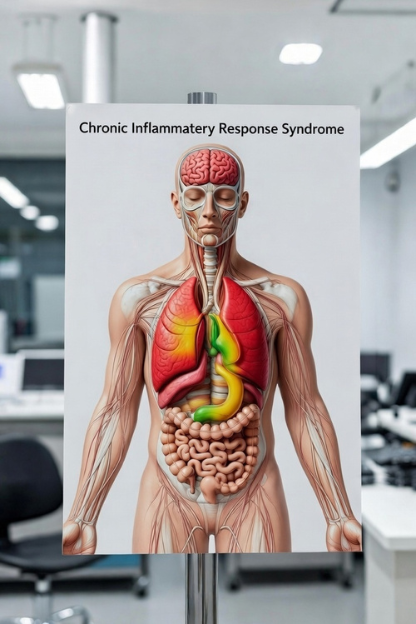
Chronic Inflammatory Response Syndrome (CIRS) represents a stealthy health threat that often evades detection, even among those who have seen remarkable improvements from rigorous dietary interventions. Rooted in a genetic predisposition affecting the HLA-DR genes, present in approximately 24% of the population, CIRS arises when the body fails to properly identify and eliminate biotoxins produced by certain bacteria and molds. These environmental toxins encountered in everyday settings, such as water-damaged buildings or contaminated areas, trigger an overzealous immune response. This leads to chronic inflammation, epigenetic changes, and a spectrum of immune disorders and diseases. Despite extensive research illuminating its mechanisms, CIRS remains notoriously difficult to diagnose, particularly because its symptoms can mimic other conditions and may persist subtly even after apparent successes with diets that reduce inflammation. At its core, CIRS is driven by the immune system's inability to detoxify biotoxins effectively due to variations in the HLA-DR genes, part of the human leukocyte antigen complex. This system normally flags harmful substances for removal, but in affected individuals, biotoxins such as mold mycotoxins or bacterial endotoxins accumulate unchecked. The result is a cascading inflammatory process that alters gene expression, perpetuating symptoms such as fatigue, joint pain, cognitive impairment, mood instability, digestive disturbances, and skin problems.

What makes CIRS especially elusive is its overlap with conditions like fibromyalgia, Lyme disease, or chronic fatigue syndrome. Patients might undergo numerous tests and treatments without pinpointing the root cause of the biotoxin, as standard medical evaluations often overlook environmental triggers and genetic factors. Research spearheaded by Dr. Ritchie Shoemaker has been pivotal in defining CIRS and developing diagnostic tools. Shoemaker's work, detailed in resources like his Surviving Mold initiative, identifies key biomarkers that signal the syndrome's presence. These include elevated C4a levels, a complement protein indicative of severe inflammation; reduced melanocyte-stimulating hormone (MSH), which normally curbs inflammation and aids detoxification; and deficits in visual contrast sensitivity, a simple test that reveals neurological impacts. Additional markers, such as high transforming growth factor-beta 1 (TGF-beta1), further confirm the biotoxin-driven dysregulation. Studies estimate that millions may be affected, yet awareness lags because CIRS doesn't fit neatly into conventional diagnostic categories. Environmental medicine, an emerging field, underscores how exposures in homes, workplaces, or schools, often invisible like hidden mold growth, can initiate and sustain the syndrome.
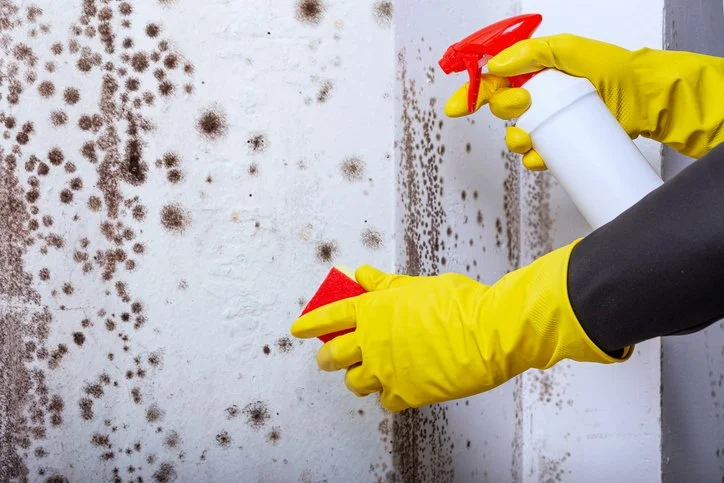
To begin addressing CIRS, it's important to summarize the first steps. Recognizing the need for a systematic, evidence-based approach is essential. The Shoemaker Protocol, a cornerstone of CIRS treatment, offers a structured path to breaking the inflammatory cycle. It comprises sequential steps to remove biotoxins, correct physiological imbalances, and prevent recurrence. Initially, environmental avoidance is crucial. This involves identifying and eliminating sources of exposure, such as remediating mold in living spaces or ensuring clean air and water. Testing for building contaminants, such as through ERMI (Environmental Relative Moldiness Index) scores, is critical to confirm that environments are safe.
Once exposure is minimized, the next phase involves detoxification using binders. Cholestyramine, a resin-based medication, is a primary tool here; it binds to bile-bound toxins, preventing their reabsorption in the intestines and facilitating their excretion. For those intolerant of cholestyramine, alternatives such as Welchol may be used. This step is vital, as biotoxins recirculate without intervention, perpetuating inflammation.
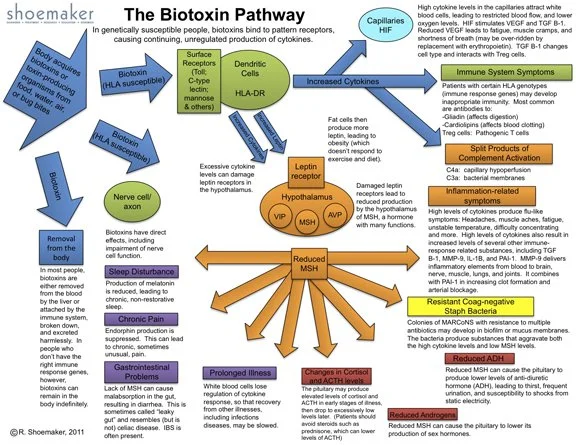
Subsequent steps address the downstream effects of CIRS. Low MSH levels, common in patients, impair anti-inflammatory pathways and mucosal defenses; the protocol may incorporate erythropoietin or other agents to boost MSH indirectly. Elevated TGF-beta1, which drives fibrosis and autoimmunity, is targeted with losartan or similar medications. Vasoactive intestinal polypeptide (VIP) therapy forms a capstone for many, administered nasally to restore regulatory functions, reduce inflammation, and normalize biomarkers. Research published in peer-reviewed journals validates VIP's efficacy, demonstrating improvements in symptoms and laboratory values in refractory cases.
Throughout the protocol, monitoring is key. Regular testing tracks progress, ensuring each step builds on the last. The process can span months to years, depending on exposure duration and severity, but outcomes are promising: reduced inflammation, symptom resolution, and relapse prevention. Importantly, the Shoemaker Protocol integrates with supportive measures, acknowledging that while diets like the Carnivore or Lion Diet can complement treatment by maintaining low inflammation during detox, they aren't substitutes for biotoxin removal.

If you suspect CIRS, start by seeking certified practitioners trained in the Shoemaker Protocol. Conduct genetic testing for HLA-DR variants to identify susceptibility, while biomarker panels confirm active syndrome. Educate yourself through resources like 'Surviving Mold' to advocate for proper diagnosis. Early intervention can prevent long-term damage, given CIRS's difficulty in detecting, even after dietary success. In summary, CIRS exemplifies how genetics and environment intersect to create hidden health crises. Its diagnostic elusiveness, even amid successes with Carnivore-like diets, underscores the need for targeted approaches like the Shoemaker Protocol. By focusing on biotoxin elimination and immune restoration, this method offers a path to genuine recovery, transforming the lives of those affected by this underrecognized syndrome. As research advances, greater awareness could help the 24% at risk avoid unnecessary suffering.