Dark Skin Spots Decoded: Exploring Causes, Light Effects, and Innovative Light Therapies
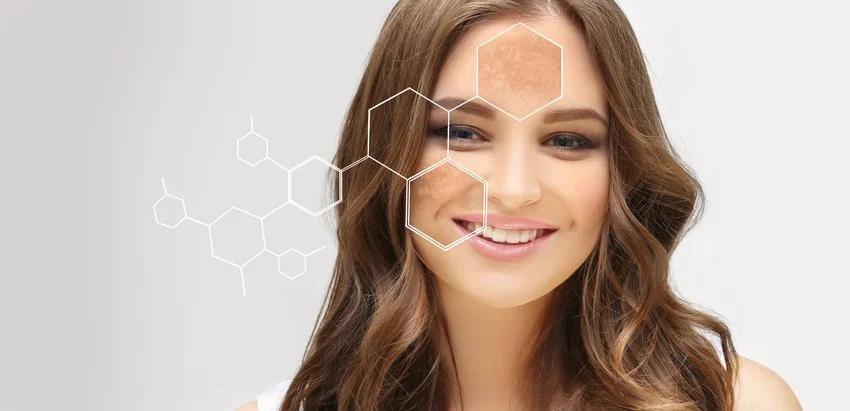
Hyperpigmentation refers to the darkening of certain areas of the skin due to an overproduction or irregular distribution of melanin, the pigment responsible for skin, hair, and eye color. This condition can appear as freckles, age spots, melasma, or post-inflammatory marks, and while it's generally harmless, it can impact self-esteem and prompt individuals to seek cosmetic solutions. Understanding its origins is crucial for effective management.
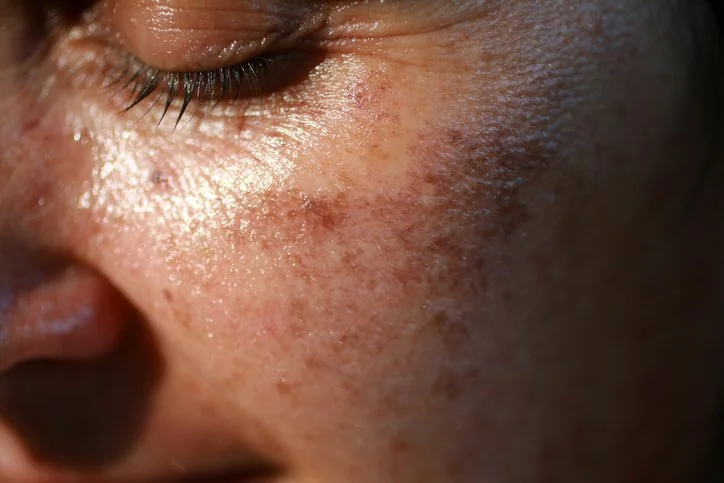
The causes of hyperpigmented spots are diverse, influenced by both internal and external factors. One of the primary triggers is excessive sun exposure, which stimulates melanocytes—the cells that produce melanin—to ramp up production as a protective mechanism against ultraviolet (UV) radiation.[1] Over time, this leads to clustered melanin deposits, commonly seen as age spots or solar lentigines on sun-exposed areas like the face, hands, and chest.[2] Hormonal fluctuations also play a significant role; for instance, during pregnancy, elevated levels of estrogen and progesterone can cause melasma, often dubbed the "mask of pregnancy," resulting in symmetrical dark patches on the face.[3] Certain medications, including antibiotics, oral contraceptives, and chemotherapy drugs, can induce hyperpigmentation as a side effect by altering melanin synthesis or increasing skin sensitivity to light.[4] Additionally, inflammatory skin conditions such as acne, eczema, or psoriasis often lead to post-inflammatory hyperpigmentation (PIH), in which trauma or irritation triggers an overproduction of melanin during the healing process.[5] This is particularly prevalent in individuals with darker skin tones (Fitzpatrick types III-VI), in whom the inflammatory response is more pronounced.[6] Rare endocrine disorders like Addison's disease, which affects adrenal gland function, can also manifest as widespread hyperpigmentation due to hormonal imbalances stimulating melanin production.[3] Genetics further contributes, as some people are predisposed to uneven pigmentation influenced by hereditary factors and environmental interactions.[7] Other culprits include chemical exposures, such as those from certain drugs or pollutants, which disrupt normal melanocyte activity.[8] Overall, these causes highlight hyperpigmentation as a reactive condition, often exacerbated by cumulative damage over time.
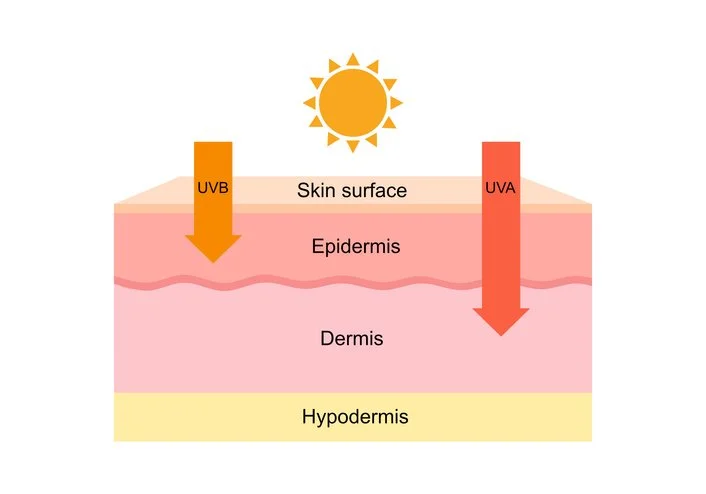
Light, in its various forms, profoundly affects hyperpigmented spots, either worsening them or, in controlled settings, offering therapeutic potential. I have previously written about the effects of sunlight and light therapies. For more information, you can click here. Natural sunlight, particularly UV rays, is a notorious aggravator. UVA and UVB radiation penetrate the skin, triggering melanogenesis—the process of melanin creation—as a defense against DNA damage.[9] This results in immediate pigment darkening (IPD), where existing melanin oxidizes and redistributes, and delayed tanning, which can intensify existing spots or create new ones.[9] Prolonged exposure leads to photoaging, characterized by uneven pigmentation and a mottled appearance.[10] Beyond UV, visible light—especially blue light from the sun, screens, and indoor lighting—has emerged as a significant concern. Blue light (around 400-500 nm) can induce hyperpigmentation by activating opsin receptors in melanocytes, leading to increased melanin production, particularly in darker skin types, where the effect is more pronounced.[11] Studies show that blue light doses as low as 20 J/cm² cause noticeable pigmentation changes, with higher doses (40-80 J/cm²) affecting both fair and dark skin similarly.[11] My new red light panels also include blue LED lights (my previous ones did not), which explains the warning about potential darkening of hyperpigmentation. Green light shares this risk, contributing to disorders such as melasma by exacerbating photoaging and disrupting circadian rhythms that influence skin repair.[12] Interestingly, not all light is detrimental; yellow and red visible light (500-700 nm) tends to have milder effects and may even inhibit melanogenesis in some contexts, reducing pigment content rather than increasing it.[12] However, excessive exposure to visible light can still cause erythema (redness) and persistent tanning, underscoring the need for broad-spectrum protection that includes high-energy visible light filters.[9] In essence, light's impact on hyperpigmentation is wavelength-dependent: shorter wavelengths (UV and blue) promote darkening, while longer ones (red and near-infrared) hold promise for mitigation.
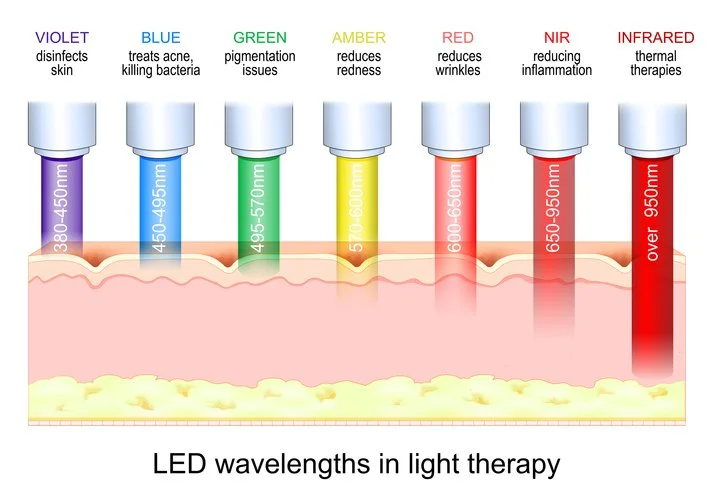
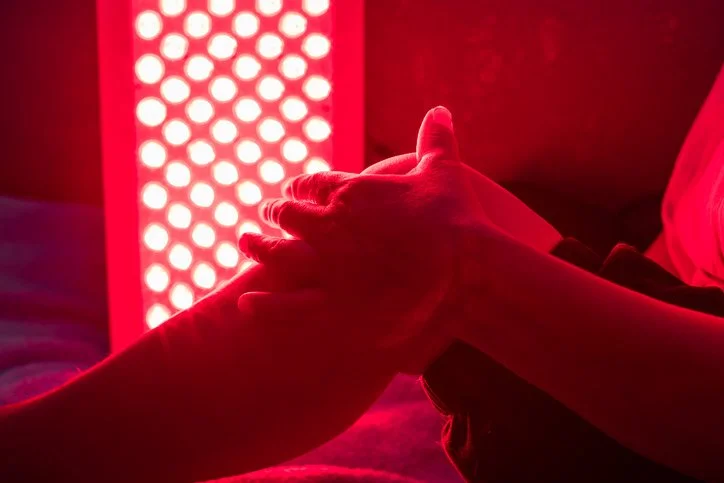
Photobiomodulation (PBM) therapies represent an innovative approach to addressing hyperpigmentation by leveraging low-level light to positively influence cellular processes. Also known as low-level laser therapy or red light therapy, PBM uses specific wavelengths—typically red (630-660 nm) and near-infrared (800-900 nm)—at low intensities (1-20 J/cm²) to stimulate mitochondrial activity, enhance ATP production, and modulate inflammation without causing thermal damage.[13] Read my post on red light therapy here. For hyperpigmentation, PBM downregulates key enzymes, such as tyrosinase, which is essential for melanin synthesis, thereby reducing overall pigment levels.[14] Clinical studies on melasma, a stubborn form of hyperpigmentation, demonstrate that PBM significantly lightens dark patches by inhibiting melanogenesis and improving dermal structure, such as reducing erythema and neovascularization.[15] One pilot study found that pulsed PBM not only faded melasma but also enhanced the skin's resistance to further solar damage, acting as a preconditioning treatment.[16] Red light therapy has shown efficacy in fading post-inflammatory spots from acne or trauma by promoting tissue repair and calming inflammation, with consistent use leading to visible improvements in skin tone.[17] Moreover, PBM's dual-function nature allows it to address both hyper- and hypopigmentation, making it versatile for various pigmentation disorders.[13] In prophylactic applications, such as after CO2 laser treatments, PBM reduces the risk of PIH by accelerating healing and minimizing inflammatory responses.[18] Devices like LED panels deliver these benefits non-invasively, with sessions lasting 10-20 minutes, 2-3 times weekly, showing results in 4-8 weeks.[19] While generally safe, PBM should be tailored to skin type, as higher doses might cause transient redness in sensitive individuals.[20] When combined with topical agents such as hydroquinone or vitamin C, PBM enhances outcomes, offering a holistic alternative to invasive procedures like chemical peels.[15] Emerging research continues to refine protocols, but current evidence positions PBM as a promising, evidence-based tool for managing hyperpigmentation.
In conclusion, hyperpigmented spots arise from an interplay of factors, including UV exposure, hormones, and inflammation, with light playing a pivotal role in exacerbating or alleviating them. Photobiomodulation stands out as a forward-thinking therapy that harnesses the power of light to restore balance and promote an even skin tone. Consulting a dermatologist is recommended for personalized advice.
References
Mayo Clinic: Age spots (liver spots) - Symptoms & causes - https://www.mayoclinic.org/diseases-conditions/age-spots/symptoms-causes/syc-20355859
Healthline: Skin Discoloration: Causes, Pictures, and Treatment - https://www.healthline.com/health/discolored-skin-patches
Healthline: Hyperpigmentation: What Causes Skin to Darken? - https://www.healthline.com/health/hyperpigmentation
WebMD: Hyperpigmentation and Hypopigmentation - https://www.webmd.com/skin-problems-and-treatments/hyperpigmentation-hypopigmentation
NIH: Postinflammatory Hyperpigmentation - https://www.ncbi.nlm.nih.gov/books/NBK559150
NIH: Dermatology: how to manage facial hyperpigmentation in skin of colour - https://pmc.ncbi.nlm.nih.gov/articles/PMC9165630
PubMed: Skin Pigmentation Types, Causes and Treatment-A Review - https://pubmed.ncbi.nlm.nih.gov/37375394
NIH: Skin Pigmentation Types, Causes and Treatment - PMC - https://pmc.ncbi.nlm.nih.gov/articles/PMC10304091
NIH: Shining Light on Skin Pigmentation: The Darker and ... - PMC - https://pmc.ncbi.nlm.nih.gov/articles/PMC3400707
Pulse Light Clinic: Harnessing the Power of Light: Sun Damage and ... - https://www.pulselightclinic.co.uk/blog/the-power-of-light-sun-damage-and-pigmentation
NIH: Impact of blue light on skin pigmentation in patients with ... - https://pmc.ncbi.nlm.nih.gov/articles/PMC10315449
MDPI: The Emerging Role of Visible Light in Melanocyte Biology ... - https://www.mdpi.com/2077-0383/12/23/7488
NIH: Photobiomodulation for Skin Pigmentation Disorders: A Dual-Function Treatment - PMC - https://pmc.ncbi.nlm.nih.gov/articles/PMC10171961
Wiley: Photobiomodulation for melasma treatment: Integrative review and state of the art - Galache - https://onlinelibrary.wiley.com/doi/10.1111/phpp.12935
PubMed: Photobiomodulation for melasma treatment: Integrative review and state of the art - https://pubmed.ncbi.nlm.nih.gov/38018017
JCAD: Dual Effect of Photobiomodulation on Melasma: Downregulation of Hyperpigmentation and Enhanced Solar Resistance—A Pilot Study - https://jcadonline.com/effect-photobiomodulation-melasma
Exosthetics: Red Light Therapy for Hyperpigmentation: Can It Fade Dark Spots? - https://myexosthetics.com/blogs/skin-concerns/red-light-therapy-hyperpigmentation
QxMD: Reducing Carbon Dioxide Laser-Induced Postinflammatory Hyperpigmentation with Prophylactic Photobiomodulation: A Case Study. - https://read.qxmd.com/read/38776545/reducing-carbon-dioxide-laser-induced-postinflammatory-hyperpigmentation-with-prophylactic-photobiomodulation-a-case-study
Neo Elegance: LED Light for Hyperpigmentation: Does It Work? Best ... - https://neoelegance.co.uk/blogs/skin-science/led-light-for-hyperpigmentation-does-it-really-work-and-how-to-use-it-effectively
MDPI: Unlocking the Power of Light on the Skin: A Comprehensive Review on Photobiomodulation - https://www.mdpi.com/1422-0067/25/8/4483