The Physicians Committee for Responsible Medicine's Hidden Agenda
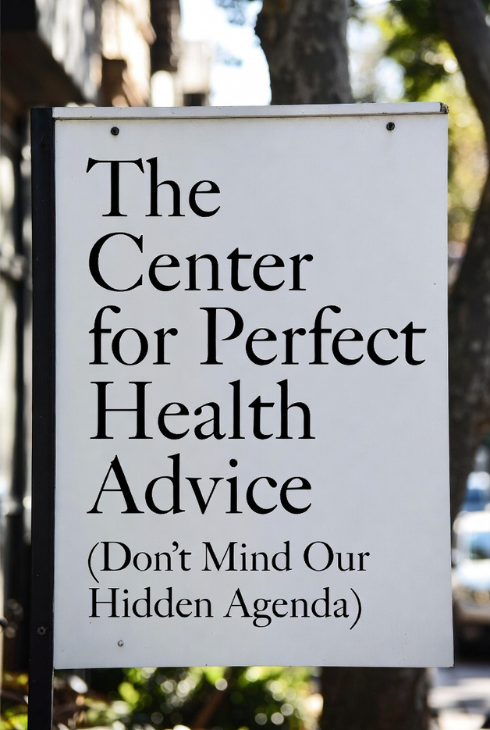
The Physicians Committee for Responsible Medicine (PCRM), founded in 1985 by Dr. Neal Barnard, positions itself as a nonprofit dedicated to promoting preventive medicine through nutrition, ethical research, and higher standards in medical education.[1] With over 17,000 physician members, PCRM aggressively advocates for vegan diets, emphasizing their role in combating chronic diseases like heart disease, diabetes, and obesity. Their campaigns, such as the 21-Day Vegan Kickstart program, encourage people to ditch animal products entirely, promising weight loss, improved cholesterol levels, and even reversal of disease.[2] While these claims draw from some supportive studies, critics argue that PCRM's approach borders on activism rather than impartial science, potentially leading followers into nutritional pitfalls.PCRM's promotion of veganism is rooted in three main pillars: health, ethics, and environmental sustainability. On the health front, they cite research showing that plant-based diets can lower body mass index (BMI) and reduce risks of type 2 diabetes and cardiovascular issues. For instance, a PCRM study found that a low-fat vegan diet resulted in an average 13-pound weight loss over 14 weeks, outperforming the Mediterranean diet in some metrics.[3] Another analysis by PCRM found that vegan diets decrease harmful inflammatory compounds, such as advanced glycation end-products (AGEs), by 73%, which is linked to better insulin sensitivity and lower blood pressure.[4] Environmentally, PCRM points to reports from the Intergovernmental Panel on Climate Change, arguing that shifting to plant-based foods could slash greenhouse gas emissions, as animal agriculture contributes significantly to global warming.[5] Ethically, PCRM aligns with animal rights by opposing animal testing and factory farming, often collaborating with groups like PETA.
Yet, this advocacy has drawn sharp criticism. Detractors, including the American Medical Association (AMA), have labeled PCRM a "fringe organization" that uses "unethical tactics" to pervert medical science.[6] Founded with ties to animal rights activism, PCRM is accused of cherry-picking data to push an anti-meat agenda, downplaying the complexities of nutrition. For example, while PCRM promotes veganism as nutritionally complete with proper planning, they often minimize the ease with which deficiencies can occur. Critics from outlets like Activist Facts argue that PCRM's real goal is eliminating animal products from diets, not just promoting health, and that their pronouncements don't represent mainstream medical consensus.[7] Even within the nutrition community, forums like Reddit discussions question PCRM's trustworthiness, viewing them as biased vegan advocates who exaggerate benefits and ignore risks.[8]
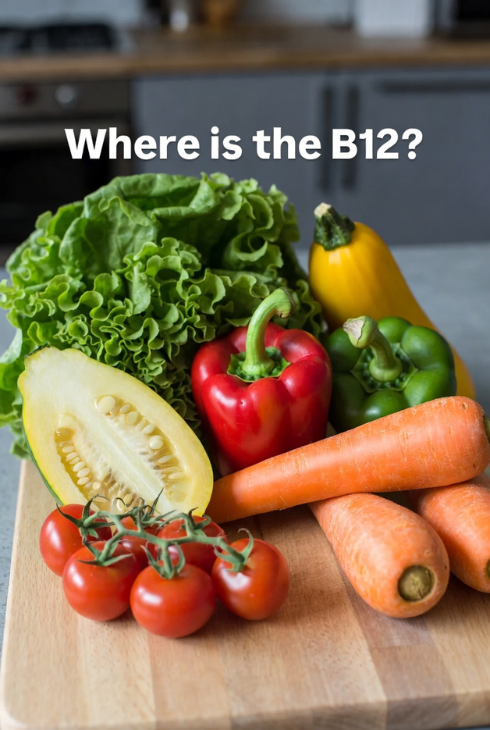
The core concern with PCRM's vegan push is the potential for nutritional deficiencies. Scientific evidence consistently shows that vegan diets, if not meticulously planned, can lead to shortfalls in key nutrients absent or less bioavailable in plant foods. Vitamin B12, essential for nerve function and red blood cell production, is a prime example—it's found almost exclusively in animal products, and studies indicate vegans have significantly lower intakes (0.24-0.49 μg daily vs. the recommended 2.4 μg).[9] Without supplements, B12 deficiency can cause anemia, neurological disorders (sometimes permanent), and fatigue. A systematic review in Clinical Nutrition echoed this, noting vegans' increased risk of deficiencies in B12, zinc, calcium, and selenium, which shouldn't be disregarded.[10]
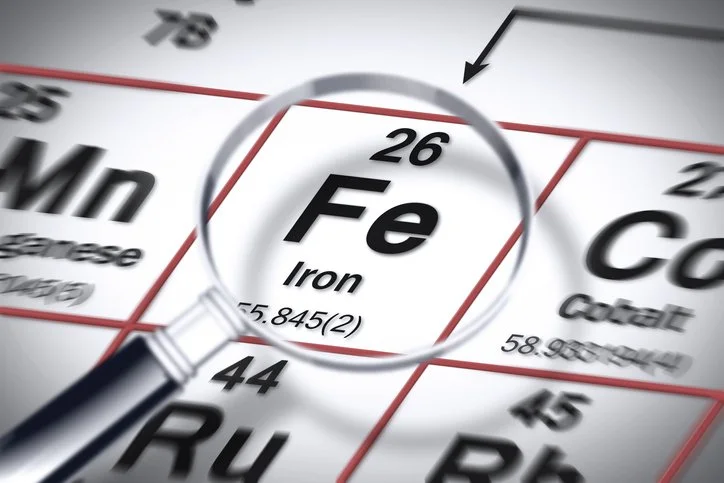
Iron is another nutrient at risk; plant-based non-heme iron has lower bioavailability, requiring vegans to consume more to meet needs. Deficiencies can lead to anemia, especially in women and children.[11] Calcium and vitamin D, crucial for bone health, are often inadequate without dairy or fortified alternatives, increasing the risk of osteoporosis. A Mayo Clinic review emphasized monitoring these in vegans to prevent conditions such as bone weakness and anemia.[12] Zinc, selenium, iodine, and omega-3 fatty acids (EPA/DHA) round out common shortfalls—zinc absorption is hindered by phytates in grains, selenium varies by soil quality, iodine is sparse in plants, and plant omega-3s (ALA) convert poorly to the active forms found in fish.[13] A 2025 study in the Journal of the Academy of Nutrition and Dietetics found vegans prone to these inadequacies, potentially leading to chronic conditions like neurological issues and weakened immunity.[14]
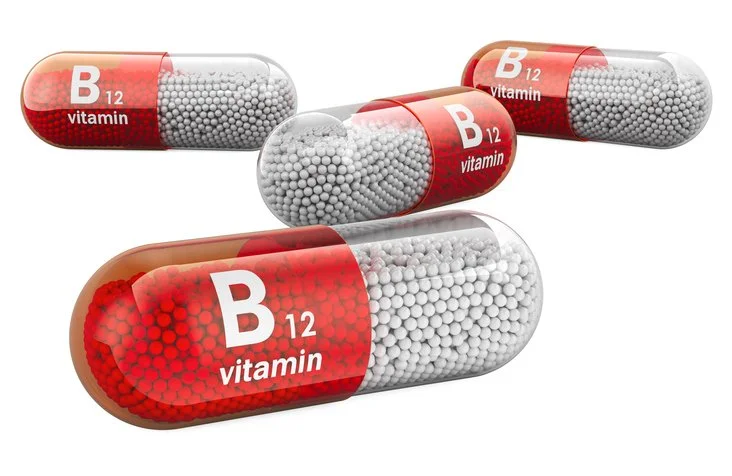
PCRM acknowledges some needs, like B12 supplementation, but their materials often frame veganism as inherently superior without stressing planning's criticality.[15] For instance, their position on the 2025-2030 Dietary Guidelines critiques industry influence in promoting meat but warns of deficiencies in vegan diets—yet they push plant-based as the default.[16] This optimism contrasts with evidence: a British Journal of General Practice article notes B12 deficiency is "endemic" among vegans, exacerbated by rising vegan trends.[17] A Frontiers in Nutrition review affirms the benefits of a vegan diet for certain diseases but stresses the need to address deficiencies to prevent anemia, osteoporosis, and more.[18]

Criticisms extend to PCRM's tactics. In 2019, they petitioned the FTC against a journal for not condemning red meat, seen as overreach.[19] Ads like the one above body-shaming overweight people to blame cheese (while promoting veganism) drew backlash for fat-shaming and sexism.[20] Such approaches alienate while ignoring that even protein-rich vegan diets can lack essential amino acids, such as lysine and leucine, after digestion.[21]
Ultimately, the best all-around diets should consist of whole foods and include animal-based foods with their inherent fats, while excluding processed carbohydrates and seed oils.
Footnotes
Physicians Committee for Responsible Medicine - Wikipedia
Three Reasons to Go VEGAN! - PCRM.org
Vegan Diet—Even With 'Unhealthy' Plant-Based Foods—Is Better for Weight Loss Than Mediterranean Diet - PCRM.org
Vegan Diet Better Than Mediterranean Diet for Weight Loss and Reducing Harmful Inflammatory Dietary Compounds - PCRM.org
A Vegan Diet: Eating for the Environment - PCRM.org
Physicians Committee for Responsible Medicine (PCRM) - ActivistFacts.com
Physicians Committee for Responsible Medicine (PCRM) - ActivistFacts.com
Plant-Based News and PCRM - are they trustworthy? - Reddit
Intake and adequacy of the vegan diet. A systematic review of the evidence - PubMed
Intake and adequacy of the vegan diet. A systematic review of the evidence - ScienceDirect
Nutrient Intake and Status in Adults Consuming Plant-Based Diets Compared to Meat-Eaters: A Systematic Review - PMC
Researchers Find Vegans may Lack Essential Nutrient Intake - YouTube
Common Nutritional Shortcomings in Vegetarians and Vegans - MDPI
Analytical Review on Nutritional Deficiencies in Vegan Diets: Risks, Prevention, and Optimal Strategies - Taylor & Francis
Plant-Based Nutrition FAQ - PCRM.org
Dietary Guidelines Are a Mixed Bag, Show Industry Influence, Says Physicians Committee - PCRM.org
Vegan diet puts people at risk of vitamin B12 and other deficiencies - BJGP.org
Vegan diet: nutritional components, implementation, and effects on adults' health - Frontiersin.org
Vegan Organization Sics FTC on Academic Journal For Failure to Condemn Red Meat - FreeBeacon.com
When Promoting a Vegan Diet Turns Into Body-Shaming - TheFullHelping.com
New research is bad news for vegans — even if you eat plant-based protein - NYPost.com