Beyond the Six-Pack: Understanding and Strengthening Your Core

When it comes to fitness, few topics generate as much interest—and misinformation—as the pursuit of a strong midsection. Many people fixate on sculpting "abs" for that coveted six-pack look, but this narrow focus overlooks the core's broader, more functional role. In reality, achieving true strength requires distinguishing between these concepts, dispelling common myths, and adopting evidence-based strategies for training and upkeep. Let's break it down step by step. First, it's essential to clarify the difference between abs and the core. The "abs" typically refer to the rectus abdominis, the superficial muscle running vertically along the front of the abdomen, often visualized as the six-pack. This muscle, along with the external obliques on the sides, is primarily responsible for flexing the spine and aiding twisting movements. These are the muscles that become visible with low body fat and targeted training, emphasizing aesthetics over utility. In contrast, the core encompasses a much wider array of muscles that provide 360-degree stability to the trunk. This includes not only the abs but also deeper layers such as the transverse abdominis (which acts like a natural corset for spinal support), the internal obliques, the multifidus in the lower back, the pelvic floor muscles, the diaphragm, and even the muscles around the hips and glutes. While abs are about appearance and isolated motion, the core focuses on function—maintaining posture, transferring force between the upper and lower body, and protecting the spine during daily activities or sports.
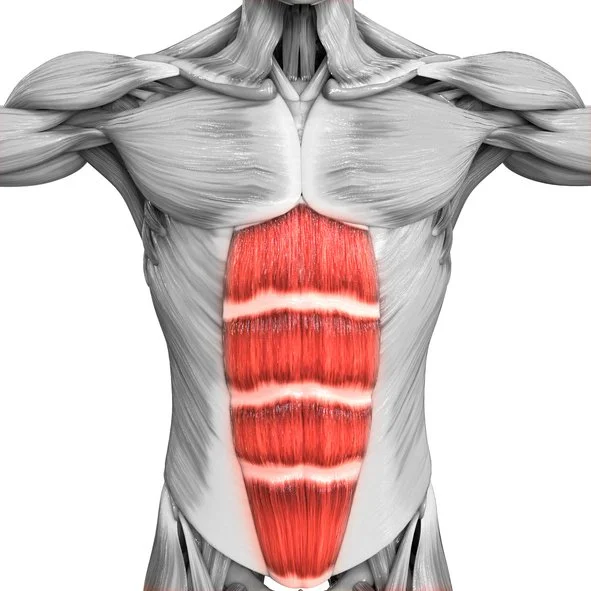
Think of the abs as the flashy exterior of a building, while the core is the entire foundation and framework that ensures stability. This distinction highlights why training just for abs can lead to imbalances. For instance, overemphasizing crunches might build the rectus abdominis but neglect the deeper stabilizers, increasing the risk of back pain or poor performance in compound movements like squats or deadlifts.
Core training, on the other hand, promotes overall resilience, making it crucial for athletes, office workers, and everyone in between. Moving on to common misconceptions, one of the most pervasive is that endless crunches or sit-ups will carve out a six-pack. In truth, these exercises target only a small portion of the abdominal wall and can strain the neck and lower back if performed improperly. Moreover, they don't address the full core, leaving out essential muscles such as the multifidus and the pelvic floor that contribute to true strength. Another myth is spot reduction—the idea that you can burn fat specifically from the belly through ab workouts alone. Fat loss occurs systemically, driven by overall calorie deficit, not localized exercises.

No matter how many reps you do, a layer of fat will obscure those muscles without proper nutrition and cardio. People also wrongly believe that the core is synonymous with the abs, ignoring the back, hips, and pelvis. This leads to imbalanced routines that might strengthen the front but weaken the posterior chain, heightening injury risk. Additionally, the notion that you can train abs every day stems from the misconception that they're different from other muscles. Like biceps or quads, they need recovery time to grow and repair—overtraining can lead to fatigue or overuse injuries. Planks are often hailed as the ultimate core exercise, but while effective, they're not foolproof; poor form can cause lower back pain, and they shouldn't be the only tool in your arsenal. Finally, the saying "abs are made in the kitchen" is only partially true: visibility is improved by diet, but core strength is built through consistent, functional training, not diet alone.
These myths perpetuate ineffective habits, wasting time and potentially causing harm. So, how do you properly strengthen and maintain your core? Start with foundational principles: focus on stability before strength, incorporate variety, and prioritize form over quantity. Begin by learning to engage the deep core through techniques like abdominal bracing—tighten as if preparing for a punch—or the drawing-in maneuver, where you pull your belly button toward your spine without holding your breath. This activates the transverse abdominis and sets the stage for all exercises.

For beginners, emphasize stabilization exercises. The plank is a great start: hold a forearm plank for 20-30 seconds, keeping your body in a straight line from head to heels and engaging the entire core to resist sagging. Progress to side planks to emphasize obliques. Bridges build posterior strength: lie on your back with your feet flat, then lift your hips while squeezing your glutes and core. Bird-dog exercises enhance coordination: on all fours, extend one arm and the opposite leg, holding for a few seconds while keeping your torso stable. Dead bugs are excellent for anti-extension: lie on your back, arms and legs up, and slowly lower opposite arm and leg without arching your back.
As you advance, incorporate strength-building moves that involve motion. Russian twists or woodchoppers target rotation, while cable crunches (if at a gym) or bicycle crunches add controlled flexion. Don't neglect compound exercises like squats, deadlifts, or overhead presses—these naturally engage the core for stability and burn more calories for overall fat loss. For power, add dynamic elements like medicine ball slams or kettlebell swings, which train explosive core involvement.
Maintenance is key to long-term benefits. Train your core 2-3 times a week, allowing rest days, and aim for 2-3 sets of 8-15 reps per exercise. Integrate core work into daily life: maintain neutral posture while sitting or standing, and practice deep breathing to engage the diaphragm. Nutrition plays a role in visibility—prioritize protein, veggies, and healthy fats to support muscle repair and reduce inflammation—but remember, strength is about how your core performs, not just looks.

Incorporate flexibility with yoga or Pilates sessions, which emphasize core control through flowing movements. If you have back issues, consult a professional to modify exercises. Consistency trumps intensity; gradual progression prevents burnout.
Ultimately, shifting from an abs-centric mindset to holistic core training yields better results: improved athleticism, reduced injury risk, and enhanced quality of life. By understanding the differences, avoiding pitfalls, and committing to proper methods, you'll build a resilient foundation that supports every move you make. Whether lifting groceries or running a marathon, a strong core is your body's powerhouse—treat it as such.