From Pollution to Probiotics: Tackling Microplastics' Role in Cancer
Microplastics are ubiquitous in our modern world, originating from the breakdown of larger plastics, synthetic textiles, cosmetics, and industrial processes. These minuscule particles, often invisible to the naked eye, contaminate air, water, food, and even household dust. Once ingested, inhaled, or absorbed through the skin, they can accumulate in human tissues, raising alarms about their long-term health impacts. Among the most concerning is their potential role in cancer development, as emerging research suggests microplastics can trigger inflammation, oxidative stress, DNA damage, and hormonal disruptions that pave the way for malignant growths.
Scientific studies increasingly implicate microplastics in various cancers. For instance, a review of more than 3,000 studies by researchers at the University of California, San Francisco, highlighted links between airborne microplastics and increased risks of lung and colon cancers, attributing these associations to chronic inflammation and impaired organ function.[1] Similarly, a study published in the New England Journal of Medicine found that patients with microplastics embedded in arterial plaque faced elevated risks of heart attacks, strokes, and death, with implications for cancer due to overlapping inflammatory pathways.[2] In tissue analyses, microplastics have been detected at higher concentrations in cancerous tumors than in surrounding healthy tissue, as noted by the American Cancer Society, which points to potential mechanisms including DNA damage and gut health disruptions.[3]
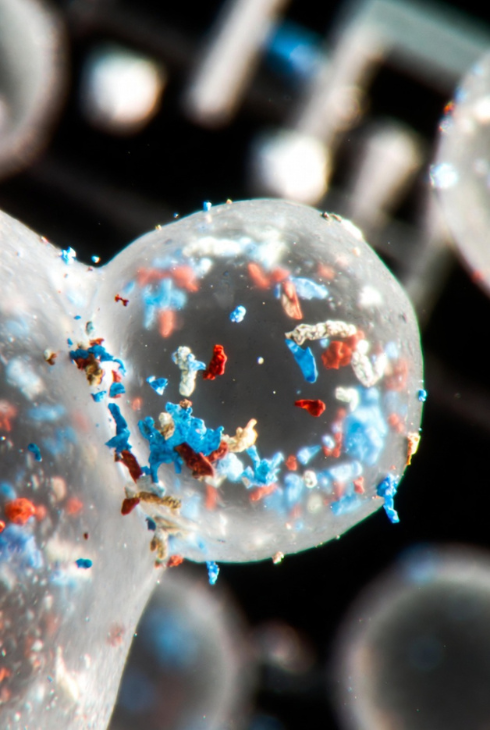
Further evidence comes from experimental and epidemiological research. A ScienceDirect article detailed how microplastics modulate cell cycle proteins, inflammatory mediators, and redox homeostasis, leading to uncontrolled cell proliferation in cancers of the lungs, blood, breasts, prostate, and ovaries.[4] PubMed research emphasizes that these particles infiltrate cells, disrupting biological processes and creating carcinogenic environments.[5] In animal models, polystyrene nanoplastics accelerated epithelial ovarian cancer tumor growth, while occupational exposure to polyvinyl chloride (PVC) microplastics was associated with increased lung cancer risk in humans.[6] Harvard Medicine Magazine reports that microplastics cause oxidative damage, DNA alterations, and changes in gene activity—key risks for cancer—in cell cultures and wildlife.[7] A meta-analysis in the International Journal of Surgery found a weak but notable correlation between microplastic exposure and overall cancer incidence in case-control studies, particularly involving phthalates and bisphenol A.[8] While agencies like the MD Anderson Cancer Center caution that direct causation remains unproven, the accumulating data underscore the need for caution.[9]
Beyond cancer, microplastics are linked to infertility, heart disease, and immune dysfunction, as per UChicago Medicine's analysis of 3,000 studies.[10] Their presence in human lungs, liver, placenta, and arteries heightens concerns, with Stanford Medicine noting greater vulnerability in children due to the development of these organs.[11] ESMO (European Society for Medical Oncology) discussions highlight potential contributions to the rise in early-onset cancers, though further research is needed.[12]
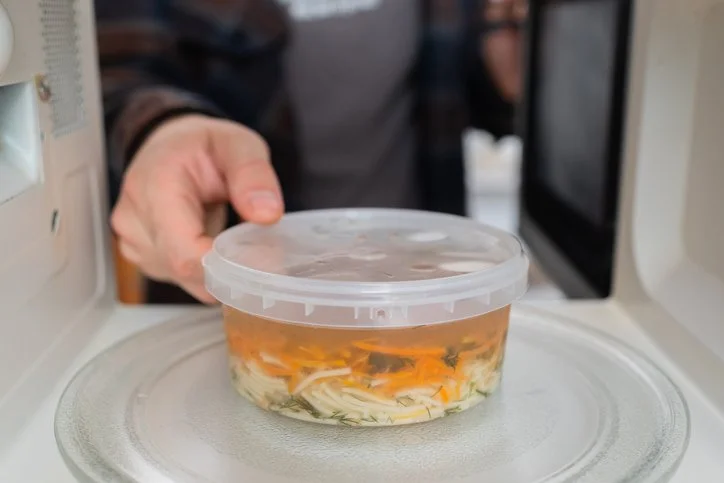
Given these risks, reducing exposure is crucial. Start in the kitchen: avoid microwaving food in plastic containers, as heat leaches harmful chemicals like BPA.[13] Opt for glass or ceramic instead. Replace plastic cutting boards with wooden or bamboo boards, and use metal or wooden utensils instead of plastic or non-stick cookware, which sheds millions of particles during use.[14] Rinse rice before cooking to cut microplastics by 20-40%, and wash meat and fish similarly.[15] Choose fresh, whole foods over ultra-processed foods, which often contain higher levels of plastic residues.[16]
For beverages, ditch plastic water bottles for stainless steel or glass to minimize ingestion—studies show bottled water can contain thousands of particles per liter.[17] Prefer tap water, ideally filtered, though be mindful that some filters are made of plastic.[18] At home, vacuum and mop regularly to capture dust-borne microplastics, and choose natural-fiber carpets and clothing like wool or cotton over synthetics, which shed fibers.[19] For children, select bedding and toys made from natural materials, avoiding polyester plush.[20] Reduce takeout container reuse and opt for beeswax wraps instead of plastic cling film.[21]

An innovative approach to counter ingested microplastics involves probiotics, which can bind to microplastics and facilitate their excretion, thereby reducing their absorption and retention in the gut. A 2025 study in Frontiers in Microbiology screened 784 bacterial strains and identified Lacticaseibacillus paracasei DT66 and Lactiplantibacillus plantarum DT88 as highly effective at adsorbing polystyrene particles.[22] In mice, these probiotics increased excretion rates by 34% and reduced intestinal residues by 67%, while alleviating inflammation.[23] Another study showed that Clostridium dalinum mitigated microplastic-induced gut damage by enhancing barrier function, modulating the microbiota, and suppressing inflammation.[24] Probiotics such as Lactobacillus plantarum, found in yogurt and fermented foods, have been shown to degrade BPA and phthalates, reducing their toxicity by up to 95% in contaminated milk.[25] Reviews confirm the potential of probiotics to neutralize heavy metals attracted to microplastics and to restore gut balance disrupted by these pollutants.[26] Everyday Health notes that probiotics reinforce gut barriers and reduce dysbiosis, though human trials are ongoing.[27] Incorporating probiotic-rich foods like yogurt, kefir, sauerkraut, or supplements could thus serve as a biological shield, helping expel microplastics before they cause harm.
While complete avoidance is impossible in a plastic-saturated world, these steps—combined with broader advocacy for reduced plastic production—can significantly lower personal risks. As research evolves, staying informed and adopting these habits may prove vital in safeguarding against microplastics' insidious health risks, including cancer.
Footnotes
https://www.ucsf.edu/news/2024/12/429161/microplastics-air-may-be-leading-lung-and-colon-cancers
https://www.cancer.org/cancer/latest-news/are-microplastics-linked-to-cancer.html
https://www.sciencedirect.com/science/article/abs/pii/S0024320524005277
https://foodpackagingforum.org/news/two-studies-associate-microplastic-exposure-with-cancer
https://magazine.hms.harvard.edu/articles/microplastics-everywhere
https://www.ucsf.edu/news/2024/02/427161/how-to-limit-microplastics-dangers
https://www.bbc.com/future/article/20250919-how-to-eat-less-plastic
https://www.beyondplastics.org/fact-sheets/microplastics-exposure
https://www.ewg.org/news-insights/news/2024/11/top-5-ways-reduce-your-microplastic-exposure
https://www.henryford.com/blog/2024/11/9-ways-to-reduce-microplastics-exposure-in-children
https://www.sciencedirect.com/science/article/pii/S266592712500231X
https://www.everydayhealth.com/digestive-health/microplastics-and-gut-health
https://www.sciencedirect.com/science/article/pii/S266592712500231X
https://www.everydayhealth.com/digestive-health/microplastics-and-gut-health