The Medication Maze: Weighing Pros, Cons, and Hidden Options

Disclaimer: The information provided in this post is for general educational purposes only and is not intended as medical advice, diagnosis, or treatment. Always consult with a qualified healthcare professional before making any decisions regarding your health, medications, or treatments. Reliance on this content is at your own risk.
Picture this: You're sitting in your doctor's office, feeling a bit run-down from that nagging back pain or those persistent headaches that just won't quit. The doc pulls out the prescription pad and scribbles down a name you've never heard of, assuring you it'll get things under control. It's tempting to nod along and head straight to the pharmacy—after all, they're the expert, right? But hold on a second. Just like you wouldn't buy a car without kicking the tires and checking under the hood, jumping into a medication for a chronic or ongoing health problem deserves the same scrutiny. I've been there myself, staring at a bottle of pills, wondering if this was really the best path, and let me tell you, asking a few smart questions upfront can save you a world of hassle down the road.

First off, let's talk about alternatives. If you are not doing these seven things, you should be, regardless of whether you are ill or not, because you are opening the door to chronic illness, if you are not. When your doctor hands you that script, a great place to start is to ask, "What other options do I have besides this medication?" You might be surprised how often this catches them off guard. In my experience, physicians are trained to be laser-focused on pharmaceutical solutions—it's what med school drills into them. But alternatives? Not so much. Schools often skim over things like nutrition tweaks, exercise routines, or even simple lifestyle changes that could address the root cause without a pill. For instance, if you're dealing with high blood pressure, maybe ramping up your walks or cutting back on salty snacks could make a dent before resorting to meds. Or for insomnia, perhaps a bedtime routine with less screen time beats out sleeping pills. Why don't doctors bring these up more? Well, it's not always sinister, but there are a few common culprits. Medical education prioritizes drugs and procedures because that's where the evidence from big studies often lies. Nutrition and movement? They're seen as "soft" sciences, even though plenty of folks swear by them. And let's be real—some doctors, though not all, have ties to pharma companies through perks or incentives, which can nudge them toward prescriptions that keep you coming back for refills. At-home strategies like yoga for stress or dietary swaps don't line anyone's pockets, so they might not get the spotlight. I've had friends who switched to gluten-free eating for gut issues and ditched their meds entirely, but only after pushing their doc for non-drug ideas. The key is to advocate for yourself politely but firmly. If they brush it off, consider a second opinion from a holistic practitioner or a nutritionist who can fill in those gaps.
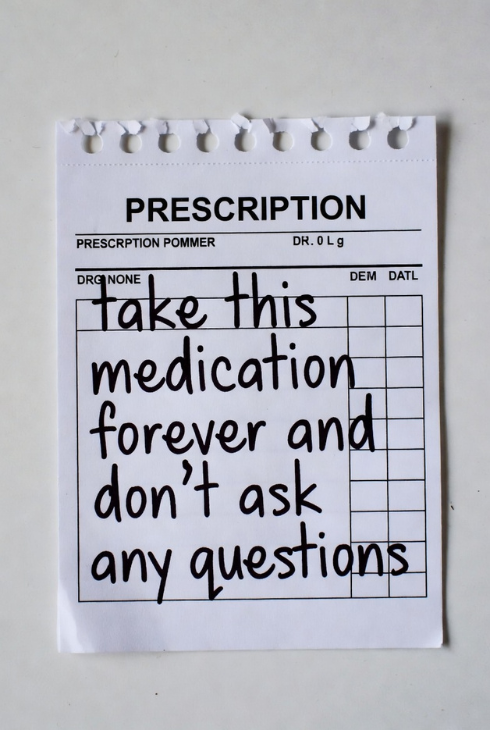
Next up: duration. "How long will I need to be on this medicine?" is a question that can reveal a lot. Some medications are meant for short courses, like antibiotics for an infection, but for chronic conditions—like diabetes management or arthritis relief—it could be months, years, or even indefinitely. Knowing this helps you weigh the commitment. I have had numerous patients prescribed something for acid reflux, and the doc told them to take it "as needed." Turns out, "as needed" stretched into a year. The recommended treatment duration is not to exceed eight weeks and is typically four weeks. Asking about an end date or milestones for reassessment gives you a roadmap. Maybe after three months, you check in and see if lifestyle changes have kicked in enough to taper off. It's like signing a lease on an apartment—you want to know if it's month-to-month or locked in for the long haul.

Now, the big one: side effects. This is where things get tricky, and it's easy to feel overwhelmed. "What are the potential side effects?" should be on your list, but don't stop at the pamphlet's fine print. During drug trials, companies test on people, but here's the catch— if someone experiences bad reactions early on, they're often dropped from the study. That means the final data looks rosier because it's based on folks who tolerated it well. It's like reviewing a restaurant only from diners who finished their meal without complaint; the ones who were dropped don't make the cut. Real-world side effects might include fatigue, weight gain, or even mood swings that hit you harder than expected.

To get a fuller picture, I've found it helpful to dig beyond the sales pitch. Medications are marketed like shiny new cars— all horsepower, tech gadgets, and smooth rides. But just as that dream car might guzzle gas, need constant repairs, and cost you a fortune in maintenance, meds can come with hidden downsides. I once bought a sleek auto that looked perfect on the lot, but within months, it was in the shop every other week for electrical glitches. I sold it at a loss because the headaches outweighed the perks. Same with meds: sometimes the relief from symptoms is overshadowed by new problems. Numerous patients of mine had started a cholesterol drug hyped for heart protection, only to deal with muscle aches that made their daily lives impossible. Many switched to other strategies, like eating only whole foods, and felt better without it.

https://thennt.com/
One way to cut through the hype is to check out independent resources. Sites like TheNNT.com pull together real data on how effective meds are, including the "number needed to treat"—basically, how many people need to take it for one to benefit —and what harms come along.¹ It's not perfect, but it's a step toward balanced info. Pair that with patient forums (take them with a grain of salt) or apps that track user experiences, and you start seeing the full spectrum.

Beyond these basics, here are a few more ideas I've picked up along the way. Track your own progress with a simple journal—note how you feel before and after starting the med, including energy levels, sleep, and any new quirks. This data can be gold when chatting with your doc. Also, consider your overall health puzzle: Are there underlying issues, such as stress or poor sleep, fueling the problem? Therapy or mindfulness apps might complement or even replace meds for things like anxiety. And don't forget about interactions—ask if this new pill plays nice with your vitamins, over-the-counter meds, or even your morning coffee.

If cost is a factor, inquire about generics or assistance programs; chronic meds can add up fast, like those surprise car payments. Building a support network helps, too—talk to friends who've been through similar experiences, or join online communities for shared stories. Empowerment comes from knowledge, not blind trust. I've learned that the hard way after a few "lemon" experiences with treatments that didn't fit.

In the end, your doctor is a guide, not a dictator. By asking about alternatives, duration, and side effects—and arming yourself with unbiased insights—you turn a passive prescription into an active choice. It's like test-driving that car multiple times before committing. Sure, sometimes meds are the right call, a reliable vehicle to get you where you need to go. But other times, a bike ride (or in health terms, a natural approach) might be fresher, cheaper, and more sustainable. Listen to your body, do your homework, and you'll navigate this road with confidence. Health isn't one-size-fits-all; it's your journey, so steer it wisely.
Footnotes:
1 TheNNT.com - A resource compiling evidence-based data on medical treatments, including benefits and harms. Available at: https://www.thennt.com/