Fiber, Bioavailability, and Toxins: Rethinking Veggies' Superiority to Meat
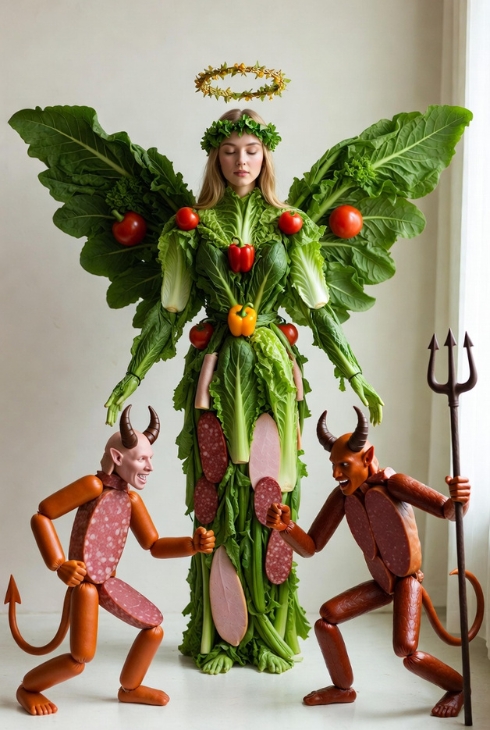
The idea that vegetables are inherently more nutritious than animal-based foods stems from decades of public health messaging promoting plants for their vitamins, minerals, and antioxidants, often linking them to a reduced risk of chronic diseases. Guidelines from organizations such as Harvard Health and the Mayo Clinic emphasize a plant-based diet to reduce saturated fat and increase fiber intake, portraying vegetables as protective against heart disease and obesity. Environmental and ethical arguments against meat production further bolster this view, creating a bias that views plants as symbols of health and meat as a form of indulgence. However, this perspective ignores how our bodies actually utilize nutrients from these sources.[1][2][3][4][5]
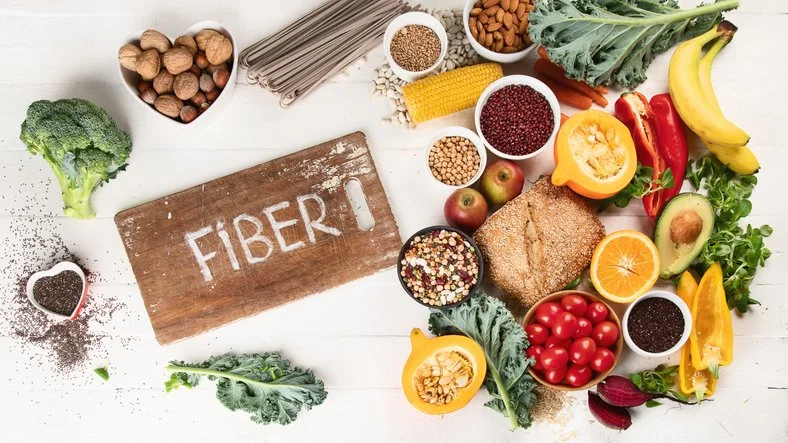
A key barrier is fiber, particularly cellulose, which humans cannot digest because they lack the necessary enzymes. Fiber adds bulk and can support gut health, but binds nutrients, reducing their availability. In plants, vitamins and minerals such as iron and zinc are often bound to cell walls or complexed with inhibitors, limiting extraction without extensive processing.[6][7][8][9][10][11] This "locking" means that nutrient-dense greens may deliver less usable nutrition than labels indicate, unlike more nutrient-dense animal foods.[12]
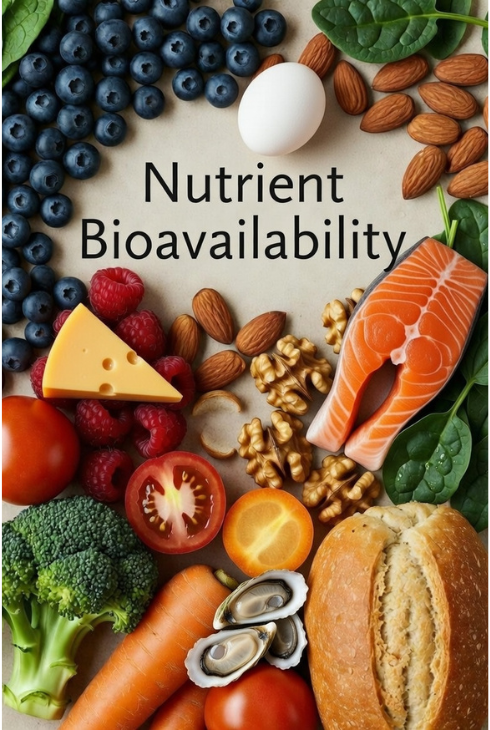
Bioavailability – how much a nutrient is absorbed and used – reveals stark differences. Animal sources generally provide more bioavailable vitamins; retinol from liver is absorbed at 74%, whereas beta-carotene from plants is absorbed at 15.6%. Heme iron from meat absorbs at 15-35%, compared to non-heme plant iron at 2-20%, hindered by phytates and oxalates. Reviews of 13 vitamins show animal foods superior for most, including B6 (83%), niacin (67%), and riboflavin (61%). Plant-based analogs often have lower bioavailability of iron and zinc due to inhibitors, even after post-processing. Metabolomics studies indicate that grass-fed beef differs by 90% from plant-based alternatives, with higher levels of creatine and taurine.[13][14][15][16][17][18][19][20][21][22]
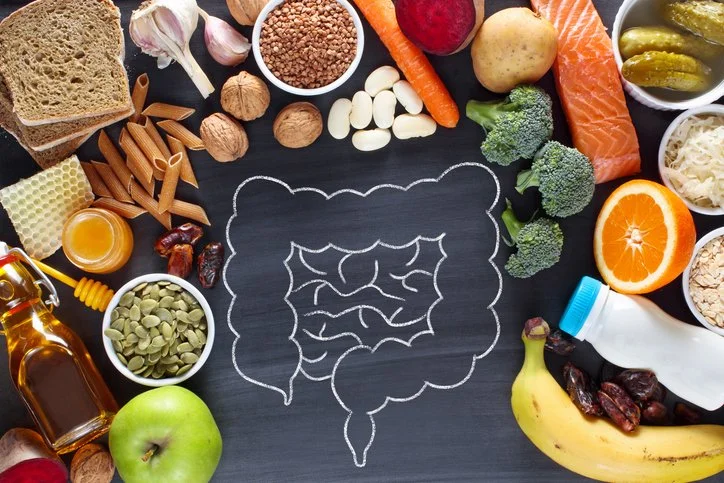
A common myth claims that short-chain fatty acids (SCFAs) – such as butyrate for gut health – derive solely from plant fiber. Yet SCFAs are produced from various substrates, including animal proteins and fats. Gut bacteria ferment amino acids and proteins into acetate, propionate, and butyrate. High-fat animal diets can elevate SCFAs such as isobutyrate, while pathways like the Wood-Ljungdahl pathway use animal-derived lactate and lysine. Balanced diets use both plant and animal sources to produce SCFA. You can read more about this topic in my post here.[23][24][25][26][27][28][29][30]
Studies confirm meat's absorption edge. Reviews highlight the superiority of animals in vitamin bioavailability. Plant proteins digest at 89-92% versus meat's 90-95%, due to antinutrients. Zinc from animals absorbs at 25-40%, less inhibited. Plant-based meats lack B12, heme iron, and omega-3s without supplementation.[31][32][33][34][35]
Vegetarians and vegans are at higher risk for deficiencies, underscoring gaps. Reviews show vegans are deficient in B12 (11-90%), vitamin D, iodine, selenium, calcium, and iron, often below recommended levels. B12 deficiency occurs in up to 86.5% of vegetarians and is detectable via MMA. Zinc and omega-3 shortfalls persist, necessitating supplements.[36][37][38][39][40][41][42][43][44][45][46][47][48][49][50][51][52]
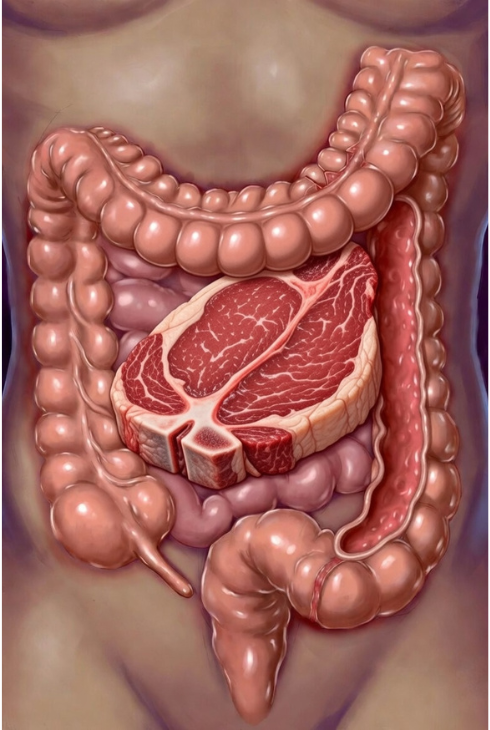
Meat digestion myths abound. You may have heard the trope about meat impacting your colon. Meat breaks down in 4-6 hours via acid and enzymes, not "rotting." Plant fibers may cause bloating when undigested, but meat is highly digestible (PDCAAS 0.9-0.99). It is absorbed in the small intestine; there is no evidence of colonic "stuck" meat or toxicity.[53][54][55][56][57][58][59][60][61]
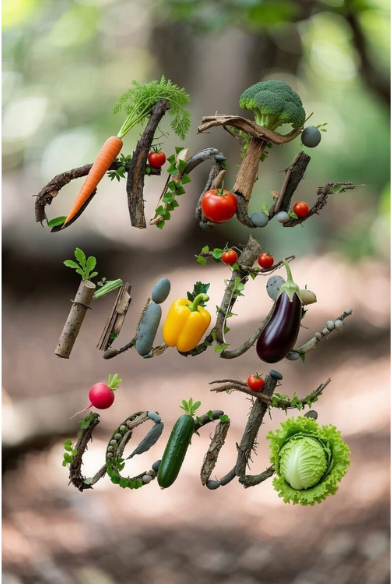
Plants harbor toxins and antinutrients as defense mechanisms. Oxalates in spinach bind calcium, increasing the risk of stone formation; phytates in grains reduce iron/zinc absorption; lectins in beans irritate the gut when consumed raw. Tannins, saponins, and goitrogens in crucifers inhibit nutrient or thyroid uptake. Cyanogenic glycosides in cassava and furocoumarins in celery pose risks if excessive. Cooking mitigates some of these, but they still explain plants' potential drawbacks.[62][63][64][65][66][67][68][69][70][71][72][73][74][75][76]
While vegetables supply vital nutrients, their presumed superiority often overlooks bioavailability, nutrient deficiencies, and misconceptions. Animal foods provide absorbable essentials, complementing plant foods for balance. As I always recommend, you should eat a whole food diet that includes animal-based foods with their inherent fats, and avoid processed carbohydrates and seed oils.
Footnotes
Harvard Health - Eat more plants, fewer animals. https://www.health.harvard.edu/blog/eat-more-plants-fewer-animals-2018112915198
HIF Health Hub - 7 Reasons to Eat More Vegetables and Less Meat. https://healthhub.hif.com.au/nutrition/7-reasons-to-eat-more-vegetables-and-less-meat
Mayo Clinic - Why eating more vegetables, less meat is healthy. https://newsnetwork.mayoclinic.org/discussion/mayo-clinic-minute-why-eating-more-vegetables-less-meat-is-healthy
Beck & Bulow - The Meat of the Matter: Why Your Body Loves Meat More Than Veggies. https://beckandbulow.medium.com/the-meat-of-the-matter-why-your-body-loves-meat-more-than-veggies-0c6257f076a5
UCF Health - 11 Reasons to Eat Vegetables Every Day. https://ucfhealth.com/our-services/lifestyle-medicine/why-are-vegetables-good-for-you
PMC - Humans have intestinal bacteria that degrade the plant cell walls in herbivores. https://pmc.ncbi.nlm.nih.gov/articles/PMC8661373
The Nutrition Source - Fiber. https://nutritionsource.hsph.harvard.edu/carbohydrates/fiber
Dartmouth - Turning Waste Into Food: Cellulose Digestion. https://sites.dartmouth.edu/dujs/2011/02/03/turning-waste-into-food-cellulose-digestion
USDA - Cryptic diversity of cellulose-degrading gut bacteria in industrialized humans. https://www.ars.usda.gov/research/publications/publication?seqNo115=402394
BBC Bitesize - What is cellulose and how is it useful? https://www.bbc.co.uk/bitesize/articles/z2d2gdm
PMC - Dietary fiber in plant cell walls—the healthy carbohydrates. https://www.frontiersin.org/journals/immunology/articles/10.3389/fimmu.2022.954845/full
PMC - Dietary Fiber. https://www.ncbi.nlm.nih.gov/books/NBK218764
PubMed - Comparative bioavailability of vitamins in human foods sourced from animals and plants. https://pubmed.ncbi.nlm.nih.gov/37522617
ScienceDirect - Animal board invited review: Dietary transition from animal to plant-derived foods: Are there risks to health? https://www.sciencedirect.com/science/article/pii/S1751731124001940
Nature - Associations between national plant-based vs animal-based protein supplies and age-specific mortality in human populations. https://www.nature.com/articles/s41467-025-58475-1
PMC - The Role of the Anabolic Properties of Plant- versus Animal-Based Protein Sources in Supporting Muscle Mass Maintenance: A Critical Review. https://pmc.ncbi.nlm.nih.gov/articles/PMC6723444
MDPI - vs. Plant-Based Protein Foods, as Defined by the Dietary Guidelines for Americans on Essential Amino Acids Bioavailability in Young and Older Adults. https://www.mdpi.com/2072-6643/15/13/2870
Frontiers - A review on nutritional quality of animal and plant-based milk alternatives: a focus on protein. https://www.frontiersin.org/journals/nutrition/articles/10.3389/fnut.2024.1378556/full
PubMed - Effects of Consuming Ounce-Equivalent Portions of Animal- vs. Plant-Based Protein Foods ... https://pubmed.ncbi.nlm.nih.gov/37447197
Cambridge - Plant-based diets: a review of the definitions and nutritional role in the adult diet. https://www.cambridge.org/core/journals/proceedings-of-the-nutrition-society/article/plantbased-diets-a-review-of-the-definitions-and-nutritional-role-in-the-adult-diet/91C165CA3ABFAD9003AA42C1C0D49C89
Kerry - Nutrition for Plant-based Diets: Managing Nutrient Intake and Bioavailability. https://khni.kerry.com/articles/white-papers/nutrition-for-plant-based-diets-managing-nutrient-intake-and-bioavailability
Wiley - Comprehensive overview of the quality of plant‐ And animal‐sourced proteins based on the digestible indispensable amino acid score. https://onlinelibrary.wiley.com/doi/full/10.1002/fsn3.1809
PMC - Formation of short-chain fatty acids by the gut microbiota and their impact on human metabolism. https://pmc.ncbi.nlm.nih.gov/articles/PMC4939913
ScienceDirect - Short-chain fatty acids (SCFAs) in gut health: Implications for drug metabolism and therapeutics. https://www.sciencedirect.com/science/article/pii/S2590097825000205
Frontiers - Biological Function of Short-Chain Fatty Acids and Its Regulation on Intestinal Health of Poultry. https://www.frontiersin.org/journals/veterinary-science/articles/10.3389/fvets.2021.736739/full
PMC - The Relationship between the Source of Dietary Animal Fats and Proteins and the Gut Microbiota Condition and Obesity in Humans. https://pmc.ncbi.nlm.nih.gov/articles/PMC10385089
Nature - The role of short chain fatty acids in appetite regulation and energy homeostasis. https://www.nature.com/articles/ijo201584
Springer - The Role of Short-Chain Fatty Acids in the Interplay Between Diet, Gut Microbiota, and Host Energy Metabolism. https://link.springer.com/article/10.1007/s13679-023-00503-6
PMC - Short-Chain Fatty Acids—A Product of the Microbiome and Its Participation in Two-Way Communication on the Microbiome-Host Mammal Line. https://pmc.ncbi.nlm.nih.gov/articles/PMC10194058
MDPI - Short-Chain Fatty Acids and Human Health: From Metabolic Pathways to Current Therapeutic Implications. https://www.mdpi.com/2075-1729/14/5/559
ScienceDirect - Comparative bioavailability of vitamins in human foods sourced from animals and plants. https://www.sciencedirect.com/science/article/pii/S0889157525006568
PubMed - Effects of Consuming Ounce-Equivalent Portions of Animal- vs. Plant-Based Protein Foods ... https://pubmed.ncbi.nlm.nih.gov/37447197
Springer - The role of dietary plant and animal protein intakes on mitigating sarcopenia risk. https://link.springer.com/article/10.1007/s00394-024-03453-4
SciTechDaily - Animal vs. Plant Protein: New Research Suggests That These Protein Sources Are Not Nutritionally Equivalent. https://scitechdaily.com/animal-vs-plant-protein-new-research-suggests-that-these-protein-sources-are-not-nutritionally-equivalent
Wiley - Comprehensive overview of the quality of plant‐ And animal‐sourced proteins based on the digestible indispensable amino acid score. https://onlinelibrary.wiley.com/doi/full/10.1002/fsn3.1809
PMC - Nutrient Intake and Status in Adults Consuming Plant-Based Diets Compared to Meat-Eaters: A Systematic Review. https://pmc.ncbi.nlm.nih.gov/articles/PMC8746448
MDPI - Common Nutritional Shortcomings in Vegetarians and Vegans. https://www.mdpi.com/2674-0311/3/2/10
GrassrootsHealth - Vegans and Vegetarians are at Risk of Nutrient Deficiencies. https://www.grassrootshealth.net/blog/vegans-vegetarians-risk-nutrient-deficiencies
ScienceDirect - Intake and adequacy of the vegan diet. A systematic review of the evidence. https://www.sciencedirect.com/science/article/pii/S0261561420306567
Evidence Analysis Library - Vegetarian Nutrition. https://www.andeal.org/vault/pqnew106.pdf
Better Health Channel - Vegetarian and vegan eating. https://www.betterhealth.vic.gov.au/health/healthyliving/vegetarian-and-vegan-eating
PMC - Vegetarian and vegan diets: benefits and drawbacks. https://pmc.ncbi.nlm.nih.gov/articles/PMC10516628
Mayo Clinic - Vegetarian diet: How to get the best nutrition. https://www.mayoclinic.org/healthy-lifestyle/nutrition-and-healthy-eating/in-depth/vegetarian-diet/art-20046446
UC Davis - Nutrition & Health Info Sheets for Health Professionals - Vegetarian Diets. https://nutrition.ucdavis.edu/outreach/nutr-health-info-sheets/pro-vegetarian
Samitivej - Malnutrition in Vegetarians and Vegans. https://www.samitivejhospitals.com/article/detail/malnutrition-in-vegetarians-and-vegans
HSIS - Vegetarian and Vegan Trends Pushing More People Into Deficiency Risk. https://www.hsis.org/vegetarian-and-vegan-trends-pushing-more-people-into-deficiency-risk
Frontiers - Nutrient Intake and Nutrition Status in Vegetarians and Vegans in Comparison to Omnivores - the Nutritional Evaluation (NuEva) Study. https://www.frontiersin.org/journals/nutrition/articles/10.3389/fnut.2022.819106/full
WebMD - Vegetarian and Vegan Diets Explained. https://www.webmd.com/food-recipes/vegetarian-and-vegan-diet
Cambridge - What is the prevalence of vitamin B12 deficiency among healthy vegans and vegetarians of European ancestry residing in Western Europe or the USA? https://www.cambridge.org/core/journals/proceedings-of-the-nutrition-society/article/what-is-the-prevalence-of-vitamin-b12-deficiency-among-healthy-vegans-and-vegetarians-of-european-ancestry-residing-in-western-europe-or-the-usa/FDD95E000E2990CD38E90ED0D568A7D1
Springer - Micronutrient intake and status in young vegans, lacto-ovo-vegetarians, pescatarians, flexitarians, and omnivores. https://link.springer.com/article/10.1007/s00394-024-03453-4
Taylor & Francis - A cross-sectional study of nutritional status in healthy, young, physically-active German ... https://www.tandfonline.com/doi/full/10.1080/07853890.2023.2269969
US News - Vegetarian Upbringing Not More Likely To Stunt Toddlers' Growth, Study Finds. https://www.usnews.com/news/health-news/articles/2026-02-17/vegetarian-upbringing-not-more-likely-to-stunt-toddlers-growth-study-finds
Healthy Food Guide - Fact or fiction: Meat rots in your gut. https://www.healthyfood.com/advice/fact-or-fiction-meat-rots-in-your-gut
YouTube - Myth: Meat Rots in Your Digestive System. https://www.youtube.com/watch?v=UtY5feXNz6M
NutritionFacts.org - What Animal Protein Does in Your Colon. https://nutritionfacts.org/blog/what-animal-protein-does-in-your-colon
BBC Science Focus - How long does meat sit in your gut? https://www.sciencefocus.com/the-human-body/how-long-does-meat-sit-in-your-gut
CliffsNotes - 1) This myth isn't true because meat doesn't stay in your stomach long enough to rot or ferment. https://www.cliffsnotes.com/cliffs-questions/1657392
US News - Debunking the Myth of Food Combining. https://health.usnews.com/health-news/blogs/eat-run/2015/05/12/debunking-the-myth-of-food-combining
PMC - Effects of Meat Cooking, and of Ingested Amount, on Protein Digestion Speed and Entry of Residual Proteins into the Colon: A Study in Minipigs. https://pmc.ncbi.nlm.nih.gov/articles/PMC3625175
Mayo Clinic - Digestion: How long does it take? https://www.mayoclinic.org/diseases-conditions/indigestion/expert-answers/digestive-system/faq-20058340
PMC - Relationships between gut microbiota, red meat consumption and colorectal cancer. https://pmc.ncbi.nlm.nih.gov/articles/PMC10194058
PMC - Is There Such a Thing as "Antinutrients"? A Narrative Review of Perceived Problematic Plant Compounds. https://pmc.ncbi.nlm.nih.gov/articles/PMC7600777
WHO - Natural toxins in food. https://www.who.int/news-room/fact-sheets/detail/natural-toxins-in-food
The Nutrition Source - Are Antinutrients Harmful? https://nutritionsource.hsph.harvard.edu/anti-nutrients
ScienceDirect - Antinutrients of plant-based food: physicochemical properties, effects on health and degradation techniques- a comprehensive review. https://www.sciencedirect.com/science/article/pii/S2772566925003088
The Open Biotechnology Journal - Antinutrients in Plant-based Foods: A Review. https://openbiotechnologyjournal.com/VOLUME/13/PAGE/68
Forbes - Antinutrients Explained: Oxalates, Lectins And 'Toxic' Vegetables. https://www.forbes.com/sites/christopherthompson/2025/10/08/anti-nutrients-explained-oxalates-lectins-and-toxic-vegetables
Heart & Soil Supplements - The Beginner's Guide To Plant Toxins (Why Antinutrients Matter). https://heartandsoil.co/blog/the-beginners-guide-to-antinutrients
The Crohn's & Colitis Dietitians - Should You Worry About Antinutrients in Foods? https://crohnsandcolitisdietitians.com/should-you-worry-about-anti-nutrients-in-foods
PMC - Naturally Occurring Plant Food Toxicants and the Role of Food Processing Methods in Their Detoxification. https://pmc.ncbi.nlm.nih.gov/articles/PMC10159748
Springer - Plant food anti-nutritional factors and their reduction strategies: an overview. https://link.springer.com/article/10.1186/s43014-020-0020-5
Dr. Axe - 10 Antinutrients to Get Out of Your Diet Immediately. https://draxe.com/nutrition/antinutrients
PMC - Plant Toxic Proteins: Their Biological Activities, Mechanism of Action and Removal Strategies. https://pmc.ncbi.nlm.nih.gov/articles/PMC10303728
Wikipedia - Antinutrient. https://en.wikipedia.org/wiki/Antinutrient
Healthline - How to Reduce Antinutrients in Foods. https://www.healthline.com/nutrition/how-to-reduce-antinutrients
Frontiers - A review on anti-nutritional factors: unraveling the natural gateways to human health. https://www.frontiersin.org/journals/nutrition/articles/10.3389/fnut.2023.1215873/full