Simple Daily Changes to Boost Your Well-Being and Stress Relief
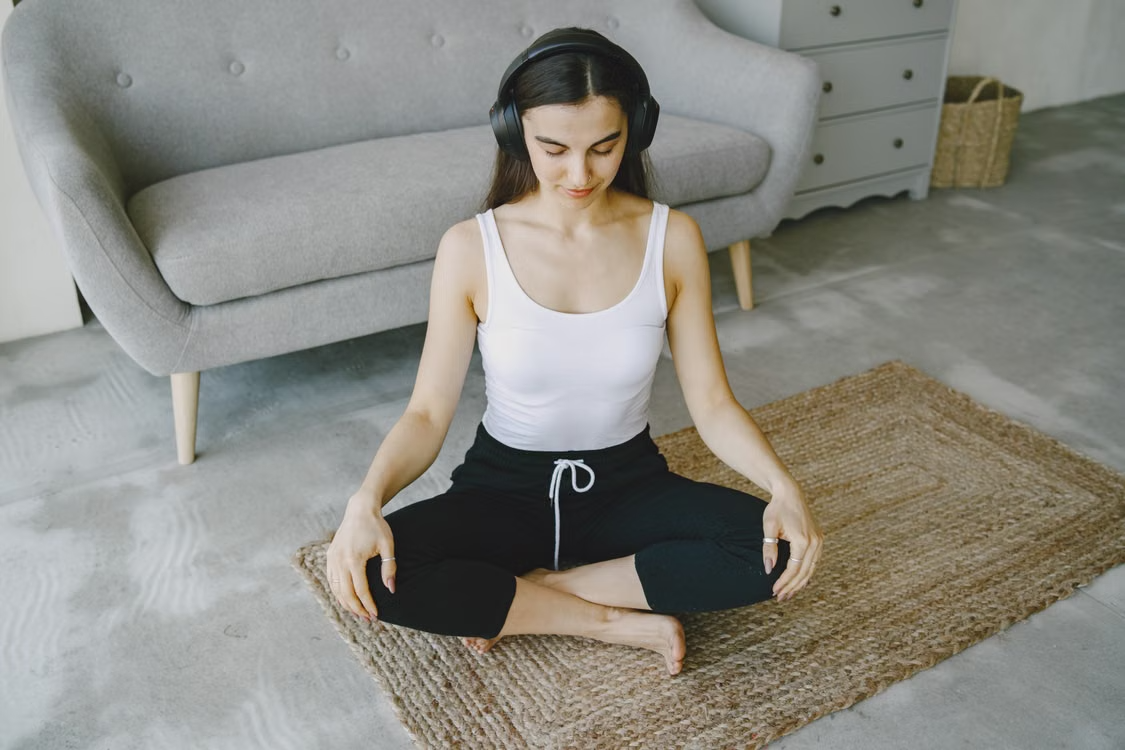
Photo by Gustavo Fring: https://www.pexels.com/photo/woman-in-white-tank-top-meditating-6870390/
Today, I have a post written by Emily Graham from MightyMoms.net. Enjoy!
Health-conscious adults juggling work, family, and chronic stress often do "all the right things" and still feel run down, achy, and wired at night. The tension is real: the information is endless, the schedules are packed, and most advice assumes you have the time, energy, and appetite to overhaul everything at once. When well-being challenges pile up, it's easy to chase protocols and miss the simpler question: what does your body actually need right now? The answer is usually less about eating the "right" foods and more about building the daily rhythms that let your nervous system settle.
Compare Stress-Relief Modalities
Many people explore alternative modalities to reduce stress and support overall well-being, especially when conventional approaches feel insufficient. Herbal supplements such as ashwagandha are commonly used to promote relaxation and help the body manage stress responses, while compounds like a THCa cart have gained attention for their potential calming and anti-inflammatory properties without the intoxicating effects associated with THC.
Other popular options include mindfulness meditation, which encourages mental clarity and emotional regulation, and acupuncture, a traditional Chinese medicine practice believed to restore balance and relieve tension. Together, these approaches reflect a growing interest in holistic wellness strategies that address both mental and physical aspects of stress.
Understanding Lifestyle Health Balance
Your day-to-day well-being is built from a few basics working together. What you eat matters, but timing, consistency, and recovery matter just as much. Metabolism is your body's process of converting food into energy, and that process responds as much to regularity as it does to food choices. Steady self-care routines help the whole system run smoothly instead of swinging between highs and crashes.
Stress often feels worse when your body is running on fumes -- under-slept, over-caffeinated, or going too long between meals. When your eating schedule, activity, and wind-down routine are reasonably predictable, your mood and energy become more manageable -- not because you followed a perfect plan, but because your body stopped having to improvise.
Think of it less as a diet and more as maintenance. A breakfast that keeps you full, a short walk that breaks up the afternoon, a consistent bedtime -- these aren't glamorous, but they reduce the number of times your stress response gets triggered unnecessarily.

Photo by Jenna Hamra: https://www.pexels.com/photo/egg-near-blueberries-1305063/
Daily and Weekly Habits That Ease Stress
Structured daily routines reduce decision fatigue by turning nutrition, movement, and recovery into repeatable defaults. Over time, consistency builds confidence and supports steadier coping when stress spikes. Try these:
Protein-First Breakfast -- Build breakfast around eggs, Greek yogurt, cottage cheese, smoked salmon, or leftover chicken. Making protein the anchor (not an afterthought) steadies appetite and energy and reduces mid-morning irritability. Do this daily.
10-Minute Post-Meal Walk -- Take a brisk walk after lunch or dinner. It releases tension and supports more stable blood sugar. Do this daily.
Plan Tomorrow's Fuel -- Before bed, pick one snack and one lunch option. This prevents stress-eating and last-minute takeout decisions. Do this nightly.
Two-Minute Downshift Breath -- Breathe in for 4 seconds, out for 6. This nudges your nervous system toward calm. Do this twice daily.
Weekly "Joy Slot" Hobby -- Schedule a 30-minute enjoyable activity as part of your self-care routine. It reinforces recovery and gives your mind something to look forward to.
Pick one habit to start this week, then adjust it to fit your family's rhythm.
Reduce Work Stress by Mapping a Supported Career Pivot
When everyday stress habits help, but work still feels like the main pressure point, it may be time to explore change. Online degree programs can make a career transition more manageable because they're designed to fit around full-time work and family responsibilities, so you don't have to put life on hold to build new skills.
Academic success for working learners is more likely when you choose an institution with strong support systems -- emotional, practical, and workplace support. Proactive planning and using university resources can keep you moving forward instead of feeling derailed.
Wellness and Stress-Relief Questions, Answered

Photo by Jenna Hamra: https://www.pexels.com/photo/egg-near-blueberries-1305063/
Q: What's a simple way to eat "healthier" without falling for diet myths?
A: Pay attention to how food makes you feel two hours later. If a meal leaves you focused and steady, it's working. If it leaves you foggy or hungry again in 45 minutes, the fix is usually about protein and meal timing. If guilt is driving your choices more than hunger, that's diet culture -- not real health guidance.
Q: How do processed foods actually affect stress and energy?
A: The issue usually isn't the occasional processed food -- it's eating in a way that creates unstable energy, which the body reads as a stress signal. Make sure you're not going too long without eating, and that what you eat has enough protein and fat to keep you steady. Start there before cutting anything out.
Q: Why does stress make me crave sugar or salty snacks?
A: Stress hormones push your brain toward quick energy and comfort. Plan a "bridge snack" -- an apple with nut butter or cheese and crackers -- and pair it with water and a two-minute walk to help your body downshift.
Q: When I fall off track for a week, should I restart my whole routine?
A: No. Restarting often creates an all-or-nothing loop. Keep one anchor habit no matter what, like breakfast protein or a set bedtime, then add one more habit after three consistent days.
Make One Daily Wellness Shift That Lowers Stress Over Time
When stress is high, it's easy to chase perfect routines and then drop them when life gets busy. A calmer path is a sustainable lifestyle change: realistic goals, supportive self-care, and self-monitoring that uses mood and energy feedback to guide practical steps. Small, repeatable changes beat perfect plans every time. Choose one small change today and track how it affects your mood and energy for a week. That consistency builds resilience that carries into work, relationships, and long-term health.