The Two Pillars of a Good Diet: Nutrient Density and Eliminating Processed Foods
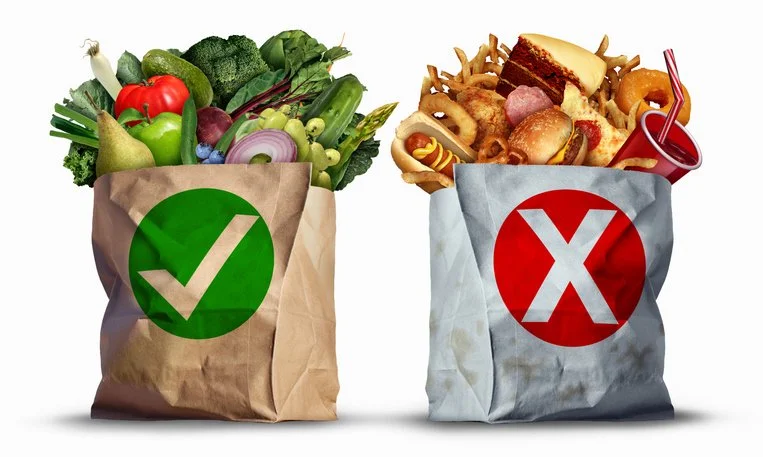
A good diet is the foundation of health, vitality, and longevity. It's not about chasing fads or obsessively counting calories, but about nourishing the body with what it needs while avoiding what harms it. Any effective diet rests on two key components: first, supplying the proper nutrients in bioavailable forms to support bodily functions, and second, removing processed foods and synthetic chemicals that disrupt our biology. Let's explore these pillars, focusing on essential nutrients—vitamins, amino acids, and fatty acids—and why whole, animal-based foods with their natural fats are central to optimal nutrition.
Component 1: Supplying Essential Nutrients
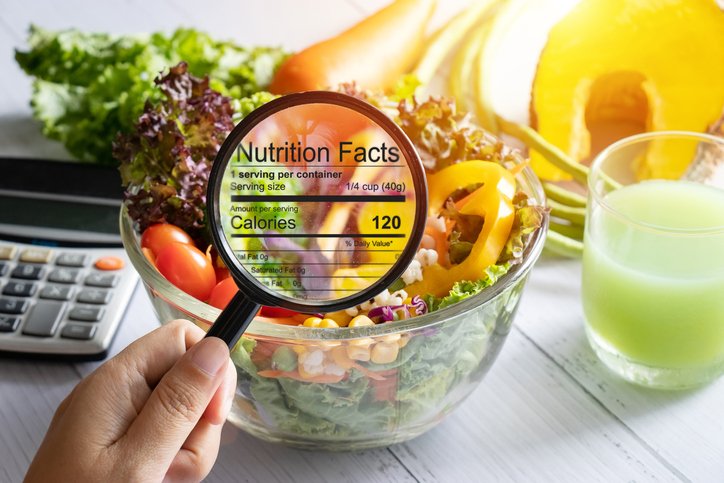
The human body requires a range of nutrients to function optimally, including vitamins, minerals, amino acids, and fatty acids. These must come from food, as our bodies either cannot synthesize them or cannot produce them in sufficient quantities. A nutrient-dense diet prioritizes foods that deliver these in forms the body can readily absorb and utilize.
Key Vitamins and Their Sources
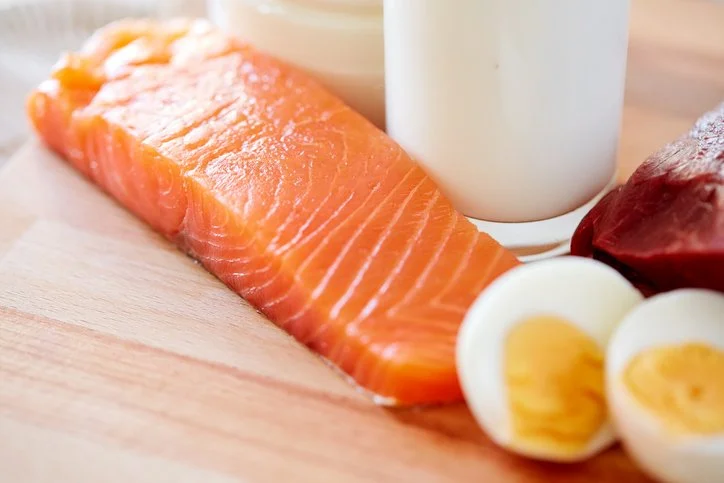
Vitamins are organic compounds critical for metabolism, immunity, and tissue repair. Here are three vital fat-soluble vitamins—D, A, and K2—along with others and their best food sources:
Vitamin D: Often called the "sunshine vitamin," vitamin D supports bone health, immune function, and mood regulation. While sunlight exposure triggers its production in the skin, dietary sources are crucial, especially in regions with limited sun. Fatty fish, such as salmon (400–1,000 IU per 3.5 oz), mackerel, and sardines, are top sources. Egg yolks (about 40 IU per yolk) and beef liver also contribute. Fortified foods, such as milk, provide some benefits, but whole foods are more bioavailable.
Vitamin A: Essential for vision, skin health, and immune function, vitamin A comes in two forms: preformed retinol (animal sources) and provitamin A carotenoids (plant sources). Retinol is far more bioavailable. Beef liver is a powerhouse (6,000–7,000 mcg RAE per 3 oz), followed by eggs, butter, and fatty fish. Carrots and sweet potatoes offer beta-carotene, but conversion to retinol is inefficient, often requiring 12–28 units of carotenoid to yield one unit of retinol.
Vitamin K2: This lesser-known vitamin directs calcium to bones and teeth while preventing arterial calcification. It's found almost exclusively in animal foods and fermented products. Natto (fermented soybeans) is the richest source (1,000 mcg per 100 g), but goose liver, egg yolks, butter from grass-fed cows, and hard cheeses like gouda also provide K2 (MK-4 and MK-7 forms). Plant-based K1 (from leafy greens) converts poorly to K2.
Other Major Vitamins: Vitamin C (from citrus fruits, bell peppers, and broccoli) supports collagen synthesis and immunity. B vitamins, such as B12 (found in abundance in meat, fish, and eggs), are essential for energy and neurological health. Plant-based B12 sources are nonexistent, making B12 supplementation critical for vegans.
Essential Amino Acids and Their Sources
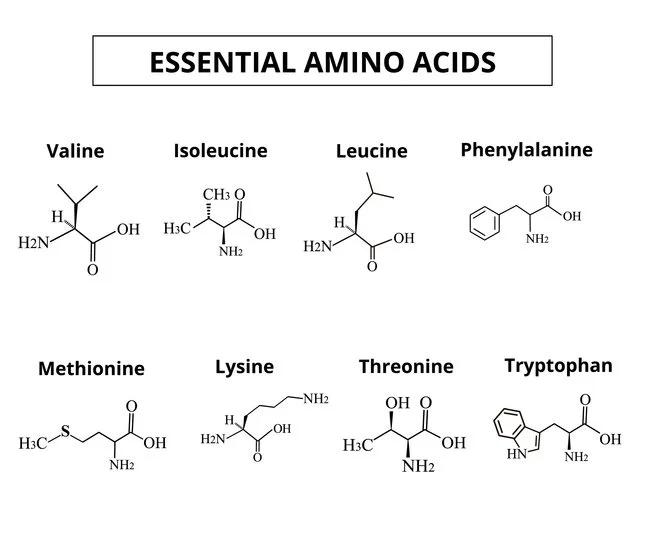
Proteins are built from amino acids, nine of which are essential because the body cannot synthesize them: histidine, isoleucine, leucine, lysine, methionine, phenylalanine, threonine, tryptophan, and valine. Animal-based foods, such as meat, fish, eggs, and dairy, provide all nine essential amino acids in optimal ratios and with high bioavailability. For example:
Beef (3 oz) delivers about 25 g of complete protein, rich in leucine (key for muscle synthesis).
Eggs (two large) offer 12 g of protein with an ideal amino acid balance.
Salmon (3 oz) provides 22 grams of protein, along with omega-3 fatty acids.
Whey protein (from dairy) is another excellent source, often used in supplemental form.
Plant-based proteins (e.g., beans, lentils, quinoa) are incomplete, lacking one or more essential amino acids or containing them in suboptimal ratios. Combining plants (such as rice and beans) can approximate completeness, but bioavailability remains lower, and larger volumes are required. For most people, animal foods are the most efficient way to meet their amino acid needs.
Essential Fatty Acids and Their Sources

Fats are critical for hormone production, brain health, and energy. The essential fatty acids are omega-6 (linoleic acid) and omega-3 (alpha-linolenic acid, ALA). The omega-3 derivatives EPA and DHA are particularly vital for heart, brain, and eye health; however, they are not strictly essential, as the body can convert ALA from plants into EPA and DHA. However, this conversion is highly inefficient in humans—typically less than 5% for EPA and under 0.5% for DHA—making direct dietary sources crucial.
EPA and DHA: Found almost exclusively in marine foods, fatty fish like salmon (1.5–2 g per 3 oz), mackerel, and sardines are the best sources. Shellfish, like oysters, also contribute. Fish oil supplements can be beneficial, but whole fish provide additional nutrients, such as selenium and iodine.
ALA: Found in plant foods like flaxseeds, chia seeds, and walnuts, ALA is less useful due to poor conversion. Relying on plant-based ALA alone risks omega-3 deficiency.
Linoleic Acid: Abundant in nuts, seeds, and vegetable oils (e.g., soybean, corn), omega-6 is rarely deficient in modern diets. Excess consumption, common with processed oils, can promote inflammation, underscoring the need for balance with omega-3s.
Component 2: Removing Processed Foods and Chemicals
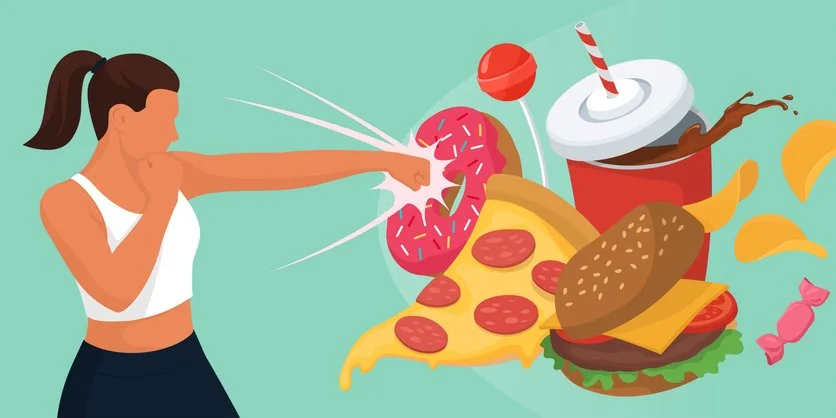
The second pillar of a good diet is eliminating processed foods and synthetic chemicals that undermine health. Modern diets are often laden with refined carbohydrates (e.g., white bread, sugary cereals), industrial seed oils (e.g., canola, sunflower), and additives such as artificial sweeteners, preservatives, and trans fats. These disrupt metabolism, promote inflammation, and displace nutrient-dense foods.
Processed Carbohydrates: Refined grains and sugars cause blood sugar spikes, insulin resistance, and fat storage. They lack fiber, vitamins, and minerals found in whole foods, such as sweet potatoes or berries. High-fructose corn syrup, prevalent in sodas, is particularly harmful to liver health. It is well-documented that the introduction of grains also led to an exponential increase in tooth decay and gum disease, which were almost nonexistent prior.
Vegetable Oils: Industrial seed oils are high in omega-6 fats, skewing the omega-6:omega-3 ratio (ideally 1:1, now often 20:1 in Western diets). This promotes inflammation linked to heart disease and obesity. Replacing them with natural fats, such as butter, olive oil, or animal fats (e.g., tallow), restores balance.
Chemicals and Additives: Artificial flavors, colors, and preservatives, such as MSG or sodium benzoate, can trigger allergies, gut issues, or neurological symptoms in sensitive individuals. Pesticide residues on conventionally grown produce add to the chemical load, making organic or home-grown options preferable when possible.
Why Whole and Animal-Based Foods Are Key
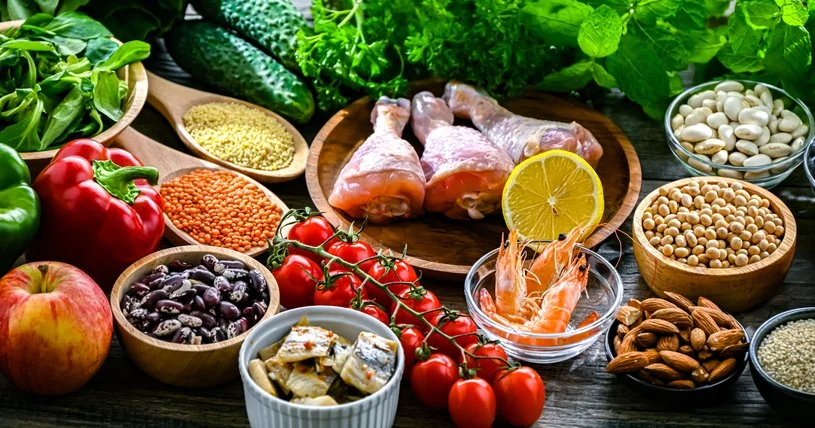
A diet built on whole foods—unprocessed vegetables, fruits, nuts, seeds, and animal products—delivers nutrients in their natural, synergistic forms. Animal-based foods are particularly valuable due to their high nutrient density and bioavailability. For example, heme iron from meat is absorbed at a rate of 15–35%, compared to 2–20% for non-heme iron from plants. Similarly, retinol (vitamin A) from liver is ready-to-use, unlike plant carotenoids.
Animal fats, such as those found in grass-fed beef or butter, provide fat-soluble vitamins and stable saturated fats that support hormone production and maintain cell membrane integrity. Unlike processed oils, they're minimally altered and align with human biology. Excluding processed carbohydrates and vegetable oils helps reduce inflammation, stabilize blood sugar levels, and allows nutrient-dense foods to take center stage.
Conclusion
A good diet is both additive and subtractive: it supplies essential nutrients—vitamins like D, A, and K2; complete proteins with all nine amino acids; and fatty acids like EPA and DHA—while eliminating processed foods and chemicals that harm the body. Whole foods, especially those of animal origin, such as meat, fish, eggs, and dairy, offer unmatched nutrient density and bioavailability, particularly for vitamins A, B12, iron, and omega-3 fatty acids. Plant-based precursors, such as ALA or beta-carotene, often fall short due to conversion inefficiencies, making animal foods a practical necessity for most people. Ditching refined carbs and industrial oils in favor of natural fats completes the picture. By embracing whole, minimally processed foods and prioritizing animal-based sources with their inherent fats, we can nourish our bodies as nature intended, paving the way for lasting health.