Letting Kids Eat What They Want: Lessons from a 1920s Nutrition Experiment

In 1928, Clara M. Davis, a pediatrician in Chicago, initiated a groundbreaking experiment that challenged the prevailing wisdom on children’s nutrition. Her study, detailed in the American Journal of Diseases of Children (Volume 36, October 1928, Number 4) and later presented at the Canadian Medical Association’s 70th annual meeting in 1939, titled “Self Selection of Diet by Newly Weaned Infants: An Experimental Study,” turned conventional pediatric advice on its head. At a time when doctors and parents believed children could not choose a balanced diet and would succumb to malnutrition if given free rein, Davis’s work demonstrated the opposite: children could thrive when allowed to eat what they wanted, when they wanted, from a selection of healthy foods. Her findings remain a touchstone in discussions about intuitive eating, yet they also raise unanswered questions about how children’s choices might fare in today’s world of processed foods.
The Experiment: Freedom to Choose

Davis’s experiment was radical for its time. She recruited 15 newly weaned infants, primarily from unmarried teenage mothers or widows unable to support their families, and placed them in a controlled “eating-experiment orphanage” in Chicago. The children, some of whom were observed for up to 4½ years, were offered a selection of 33 wholesome, unprocessed foods, including meats, fish, eggs, vegetables, fruits, grains, and milk. The setup was simple but revolutionary: children could eat as much or as little of any food as they desired, with no adult intervention. Nurses were instructed to sit quietly, spoon in hand, and refrain from guiding or influencing the children’s choices. As Davis noted, some infants initially nibbled on spoons, dishes, or paper, so unaware were they of what constituted food. The experiment’s scale was staggering. Davis meticulously recorded every morsel eaten or spilled, alongside detailed health metrics, including height, weight, bowel movements, bone radiographs, and blood tests, which resulted in 36,000 to 37,500 daily food records —an overwhelming dataset for a pre-computer era. Her goal was to test whether children possessed an innate “wisdom of the body” that could guide them to a balanced diet, much like the body’s autonomic systems regulate temperature or breathing.
Defying Expectations: A Clash with Conventional Wisdom

In the early 20th century, pediatricians, armed with emerging nutritional science, prescribed rigid diets with precise portions and schedules. The prevailing belief was that children had no inherent sense of what to eat, and allowing them to choose freely would lead to malnutrition or health disasters. Some doctors, like Alan Brown of Toronto’s Hospital for Sick Children, went so far as to recommend “starvation diets” to force children to comply with prescribed meals. Up to 90% of pediatric visits involved mothers distressed by their children’s refusal to eat these doctor-sanctioned diets, a condition then labeled “anorexia.” Davis’s experiment was a direct challenge to this dogma. She hypothesized that children’s appetites could naturally guide them to meet their nutritional needs, provided they had access to healthy foods. Her approach was rooted in the idea that the body instinctively “knows best,” a concept she likened to physiological self-regulation.
Astonishing Outcomes: Healthy Children, Diverse Diets
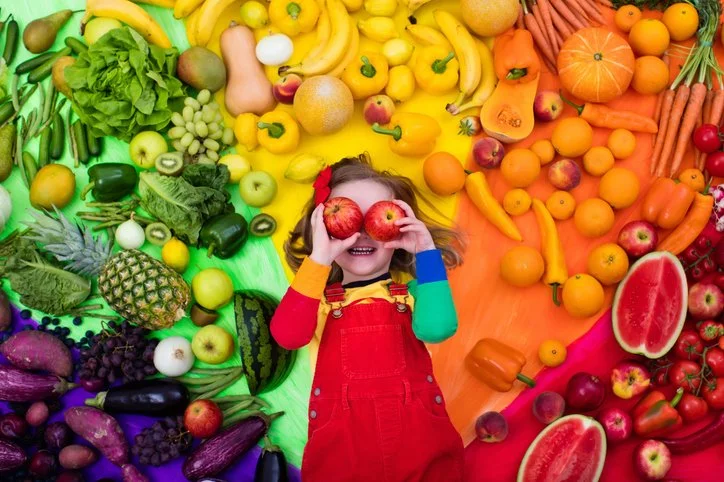
The results were astonishing. Despite each child choosing wildly different diets—none adhering to the standard cereal-and-milk-heavy diet recommended at the time—all 15 children emerged healthy and well-nourished. No child became obese or underweight, and their growth, bone health, and blood metrics were normal. Davis observed that “every diet differed from every other diet, 15 different patterns of taste being presented,” yet the children achieved nutritional balance through their varied choices. For instance, a child deficient in a nutrient like vitamin C might gravitate toward fruits, while another needing protein might choose meat or eggs. Davis attributed this to an “innate, automatic mechanism” that allowed children to juggle the 30-plus nutritional essentials present in varying proportions in their food options. Errors in selection, she noted, were minimal and easily corrected because the foods offered were all healthy—meats with their natural fats, whole grains, and fresh produce. Had a child chosen only meat, they might have risked scurvy; had they selected only fruits and vegetables, a vitamin B12 deficiency could have emerged. Yet, the children’s instinctive choices avoided such extremes, resulting in uniformly healthy outcomes.
The Catch: Healthy Foods Only
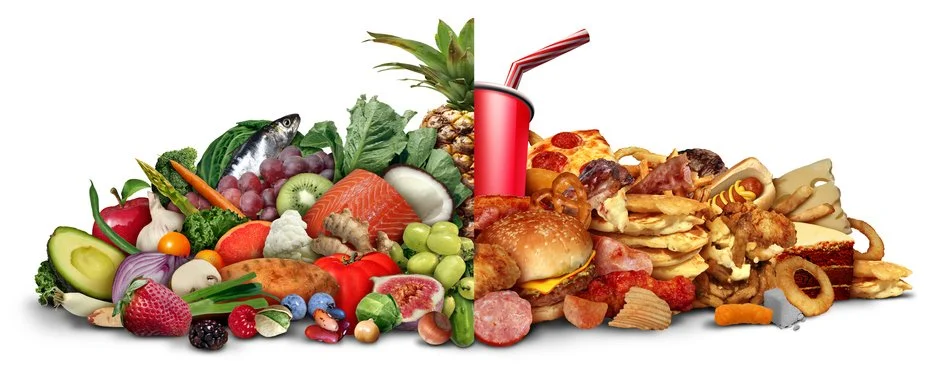
A critical aspect of Davis’s experiment was the nature of the food choices. All 33 options were whole, unprocessed foods, free of refined sugars, processed carbohydrates, or industrial seed oils. Davis recognized this as a “trick” in her experiment: the intrinsic goodness of the foods made it nearly impossible for the children to stray far from nutritional balance. She emphasized to her Montréal audience that while children’s appetites could be trusted, the foods offered must be healthy. “Leave the selection of the foods to be made available to young children in the hands of their elders,” she advised, underscoring the importance of curating a nutritious menu. Davis was curious about how children would fare if processed foods were included in their diets. She planned a follow-up experiment to test this, offering items like sugary cereals or processed snacks alongside whole foods. Unfortunately, the Great Depression halted her work in 1931, and funding constraints prevented her from conducting this second study. This unanswered question remains significant today, as processed foods increasingly dominate modern diets.
Today’s Children: A Health Crisis

Fast forward to 2025, and the dietary landscape for children is starkly different. For over 40 years, we’ve inadvertently conducted the experiment Davis never could, allowing children to choose from a plethora of processed foods—sugary snacks, fast food, and sodas laden with refined carbohydrates and seed oils. The results are alarming. According to the CDC, childhood obesity in the United States has skyrocketed: in 2020, 19.7% of children aged 2–19 were obese, compared to just 5.5% in the 1970s. Type 2 diabetes, once rare in children, now affects approximately 0.5% of U.S. children, with rates rising alongside obesity. These conditions increase the risk of heart disease, fatty liver, and other chronic illnesses, burdening young lives with health challenges once seen primarily in adults. This crisis suggests that the “wisdom of the body” may falter when confronted with hyper-palatable, nutrient-poor processed foods.
Unlike the wholesome options in Davis’s experiment, modern foods are engineered to override satiety signals, leading to overeating and nutritional imbalances. The experiment we’ve been running for decades shows that children’s innate nutritional instincts may not cope well with a food environment designed for profit rather than health.
Food Choices Driven by Nutritional Needs

Davis’s findings hint at a profound idea: children’s food choices may be driven by nutritional needs, not just taste. In her study, children gravitated toward foods that addressed deficiencies, such as choosing liver (rich in iron and vitamin A) or fruits (high in vitamin C) when their bodies required those nutrients, which suggests an innate mechanism that prioritizes physiological needs over mere flavor preference. For example, a child low in calcium might favor milk, while one needing energy might select fatty meats or starchy vegetables, which aligns with the “wisdom of the body” concept, where appetite acts as a nutritional compass. However, this mechanism may be disrupted by processed foods, which are high in calories but low in essential nutrients. Sugary snacks or fast foods may satisfy taste buds but fail to deliver the vitamins, minerals, and fats needed for growth and health. Over time, this can confuse the body’s signals, leading to overconsumption and nutrient deficiencies—a stark contrast to the balanced diets Davis’s children achieved.
Lessons for Today: A Return to Whole Foods

Davis’s experiment offers a timeless lesson: when given access to a variety of whole, unprocessed foods, children can instinctively choose a balanced diet that supports robust health. Her study showed no evidence that rigid dietary prescriptions were necessary, challenging the authoritarian pediatric advice of her era. Yet, her caution about the quality of food choices remains critical. In today’s world, where processed foods dominate, parents must act as gatekeepers, curating options that align with children’s natural nutritional instincts. The health crisis among modern children highlights the need to revisit Davis’s approach. By prioritizing whole foods—meats with their inherent fats, eggs, fish, vegetables, fruits, and whole grains—parents can create an environment where children’s appetites lead to health, not harm. Avoiding processed carbohydrates and seed oils, which are linked to inflammation and metabolic dysfunction, is equally crucial.
Final Recommendation
To foster healthy children in an era of dietary chaos, we should heed Davis’s findings and emulate the framework of her experiment. Eat a whole food diet that includes animal-based foods with their inherent fats, while avoiding processed carbohydrates and seed oils. This approach honors the body’s innate wisdom, providing the nutrients children need to thrive while sidestepping the pitfalls of modern processed foods. By curating a menu of wholesome options, we can empower children to listen to their bodies and build a foundation for lifelong health.
Source:
Nutrition classics. American Journal of Diseases of Children, Volume 36 October, 1928: Number 4. Self selection of diet by newly weaned infants: an experimental study. By Clara M. Davis. Nutr Rev. 1986 Mar;44(3):114-6. doi: 10.1111/j.1753-4887.1986.tb07599.x. PMID: 3515240.