Saving Men, Saving Humanity: The Forgotten Crisis of Masculinity
In recent decades, masculinity has increasingly come under attack—both culturally and physically. Terms like "toxic masculinity" have distorted the concept of masculinity, leading some to view it as inherently harmful rather than a valuable and essential aspect of human diversity. This cultural narrative has created an environment where traditional male identities are often stigmatized. The introduction of terms like "cis-gendered" has furthered this divide, making many men feel as though their natural identities are not only less valued but even considered flawed.
Cultural trends also exacerbate this. Social media platforms like TikTok are rife with videos portraying disdain for men, particularly in the wake of political events such as Donald Trump's election. Some movements have gone as far as encouraging abstinence from relationships with men as a form of retribution. This is known as the 4B movement. This occurs on both sides. The Men Going Their Own Way (MGTOW) Movement was recently popular. These sentiments, coupled with growing societal anger over pronoun usage, create a landscape where being a traditional male can feel isolating and devalued. Beyond the emotional and cultural implications, this environment also poses a long-term threat to humanity; without replacement-level procreation, our future is at risk.
But it’s not just cultural. Men are also under physical attack—often silently—through environmental and dietary factors. Over the last 40 years, men’s testosterone levels have dropped by 40%, and sperm counts have plummeted by 50%. Francis Pottenger was aware of poor nutrition leading to poor sexual function, and I have a post on it here. Chemicals like Atrazine, a widely used herbicide, are major contributors. Atrazine, found in our water supply at levels that often exceed recommended limits, has been linked to hormone disruption, reducing testosterone and even altering reproductive development in animals. In humans, chronic exposure to Atrazine and other endocrine-disrupting chemicals is undoubtedly a contributing factor to the reproductive health crisis among men.
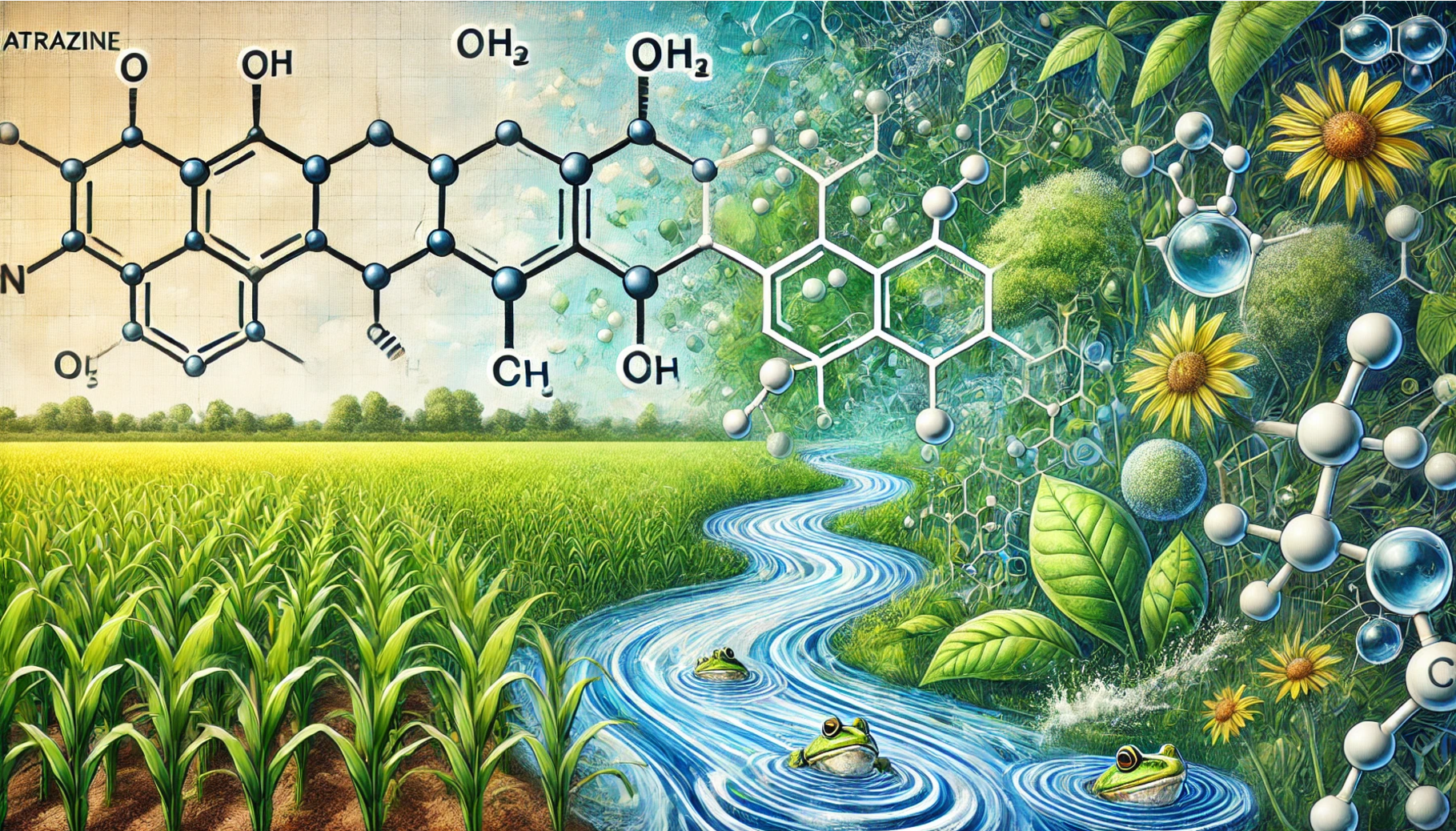
Robert F. Kennedy Jr. has brought attention to these issues, focusing on healthier diets and the removal of harmful chemicals like Atrazine from our food and water supply. His advocacy highlights the need for a broader societal conversation about the physical toll these chemicals take—not just on individual health but on the sustainability of our species. Kennedy’s message underscores the importance of returning to clean, nutritious foods while eliminating the toxins that silently undermine human health and masculinity.
The decline in male reproductive health isn’t just about biology—it’s about societal values. If we continue to devalue masculinity and fail to address the chemical onslaught contributing to its decline, the consequences will ripple through future generations. Restoring men as having value, both culturally and physically, is a conversation that transcends partisan politics. It is about preserving the balance and diversity that makes humanity strong, resilient, and capable of growth.
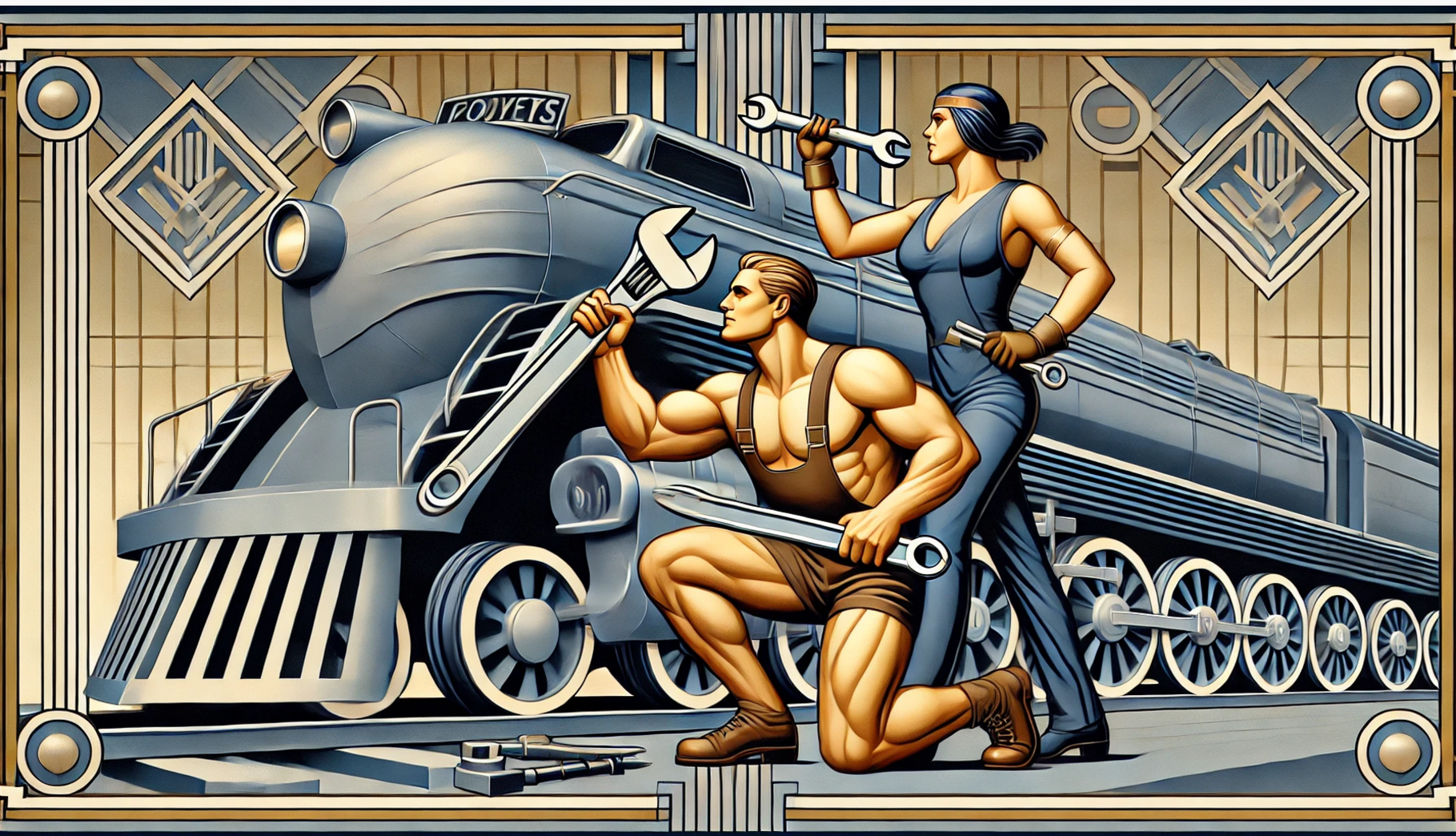
This isn’t just a men’s issue; it’s a human issue. A society that lifts up its men alongside its women is a society that thrives. By supporting efforts to rid our environment of harmful chemicals and advocating for healthier cultural narratives around masculinity, we take a step toward a healthier, more balanced future.