Mushroom Vitamin D vs. Animal Sources: Why D2 Falls Short of D3
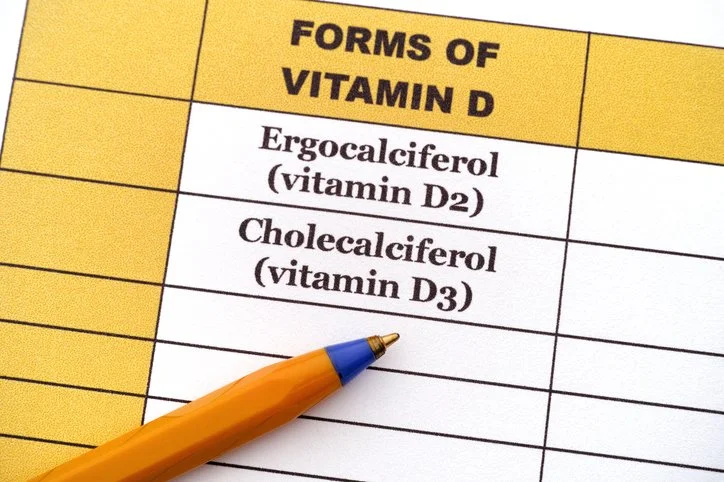
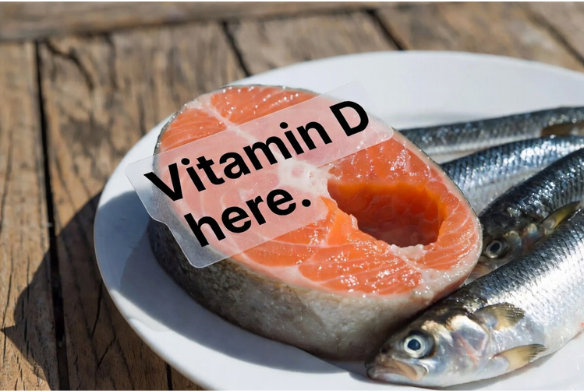
Vitamin D exists in two primary dietary forms relevant to humans: vitamin D2 (ergocalciferol) and vitamin D3 (cholecalciferol). These differ subtly in chemical structure—D2 features an additional double bond and methyl group in its side chain, which influences how the body processes them. Mushrooms, particularly varieties like portobello, shiitake, or button mushrooms exposed to ultraviolet (UV) light, synthesize vitamin D2 from ergosterol, their natural sterol precursor. This process mimics human skin synthesis but yields the D2 isoform exclusively in fungi. In contrast, animal-based foods provide pre-formed vitamin D3. Fatty fish such as salmon, mackerel, and sardines are among the richest natural sources, alongside smaller amounts in egg yolks, beef liver, and certain cheeses. Humans can also produce D3 endogenously when the skin is exposed to UVB rays, which converts 7-dehydrocholesterol.¹
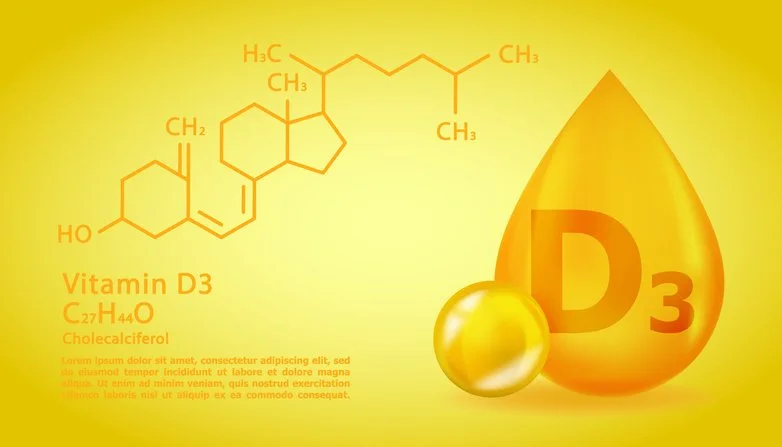
The superiority of D3 stems from differences in absorption, metabolism, binding affinity, and half-life. Both forms are absorbed in the small intestine with the help of dietary fat, but D3 binds more effectively to vitamin D-binding protein (DBP) in the bloodstream. This leads to longer circulation time and more efficient delivery to the liver for conversion to 25(OH)D, the primary circulating marker of vitamin D status. D2, with its structural variations, undergoes faster clearance and has lower affinity for DBP, resulting in shorter half-life and reduced overall impact on total vitamin D levels.²
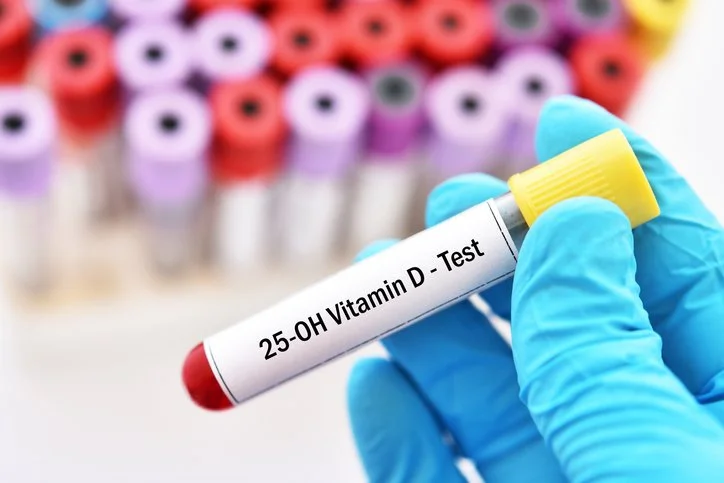
Robust evidence from systematic reviews and meta-analyses confirms D3’s advantage in raising and sustaining serum 25(OH)D concentrations. A landmark 2012 meta-analysis of randomized controlled trials concluded that vitamin D3 is significantly more efficacious than D2 at increasing 25(OH)D levels.³ The U.S. National Institutes of Health (NIH) Office of Dietary Supplements fact sheet states that research consistently shows vitamin D3 increases serum 25(OH)D to a greater extent than D2 and maintains higher levels for longer periods.¹ Another analysis found D3 approximately 87% more potent in some contexts for elevating and sustaining these levels. Recent meta-analyses further indicate that D2 supplementation can reduce circulating 25(OH)D3 levels, potentially offsetting some benefits and complicating the assessment of total vitamin D.
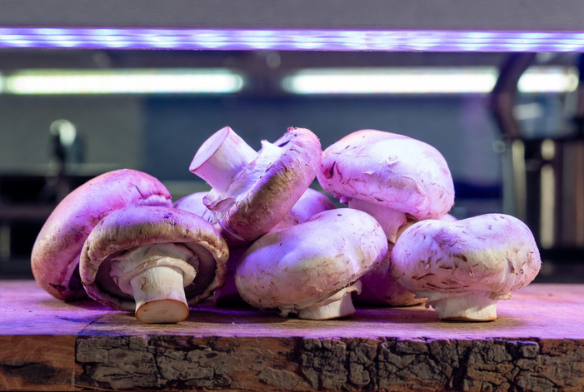
Studies specifically examining vitamin D2 from UV-exposed mushrooms show mixed, generally less impressive results than those from D3 sources or supplements. In one trial, participants consuming mushroom powder providing 2,000 IU of D2 daily for 12 weeks saw increases in total 25(OH)D comparable to those of participants taking D2 or D3 supplements in that cohort.⁷ However, broader reviews and controlled studies paint a different picture. A 2020 randomized trial in healthy adults found that mushroom-derived D2 significantly raised 25(OH)D2 but caused a substantial 42% drop in 25(OH)D3 by week 6, yielding only a modest net +14% increase in total 25(OH)D by week 12—far smaller than the robust rise from equivalent D3 supplementation.⁶
A 2024 systematic review in Frontiers in Nutrition summarized that while mushroom D2 reliably boosts D2-specific levels, total 25(OH)D often remains unchanged or shows only borderline increases, especially in those with higher baseline status. Decreases in endogenous D3 occurred in about half the studies examined, attributed to regulatory mechanisms or competitive metabolism. Effects were more favorable in deficient individuals but still generally inferior to D3.⁵ A comprehensive 2018 review of mushrooms as a vitamin D source noted that D2 predominates in fungi, while D3 is the primary form in animal tissues, underscoring fundamental source-based differences in the vitamin delivered.⁴
Practical considerations further highlight D2’s limitations. Vitamin D2 appears more susceptible to degradation during storage, cooking, or processing compared to D3. Achieving meaningful intakes from mushrooms often requires large portions or specially UV-treated products, which may not be widely available or consistently contain D2. Animal foods, by contrast, deliver D3 alongside synergistic nutrients—such as omega-3 fatty acids in fish or protein and minerals in eggs and liver—that support overall health and vitamin D utilization.
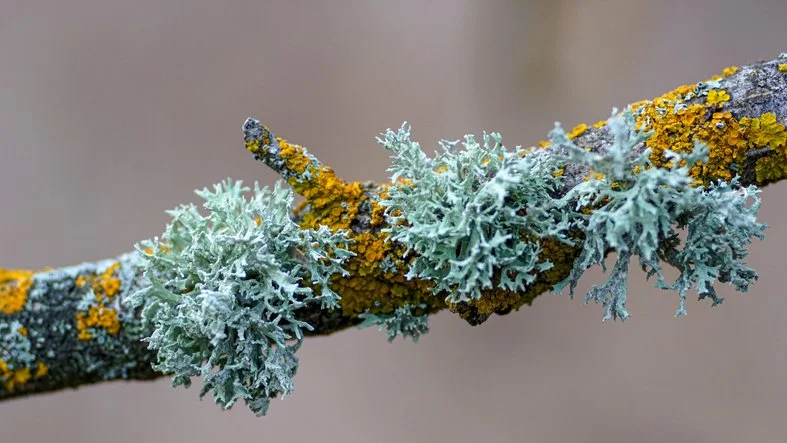
For individuals following vegan or plant-based diets, UV-mushrooms remain a valuable tool for increasing vitamin D2 intake and can help prevent or correct deficiency, particularly when baseline levels are low. However, they do not serve as a direct, equivalent substitute for D3. Those relying solely on mushroom sources may need higher doses or monitoring to achieve target 25(OH)D levels (generally 50–125 nmol/L or higher depending on guidelines). D3 supplements derived from lichen or other non-animal sources offer an alternative for vegans seeking the more effective isoform.

Seasonal and lifestyle factors amplify these differences. In winter or at higher latitudes with minimal sun exposure, dietary sources become critical. D3 from animal foods or supplements provides more reliable maintenance of status over months, as shown in long-term trials comparing the two forms.¹ Population-level data indicate widespread suboptimal vitamin D status, making source quality important for bone density, muscle function, immune resilience, and potential reductions in risks for certain chronic conditions.
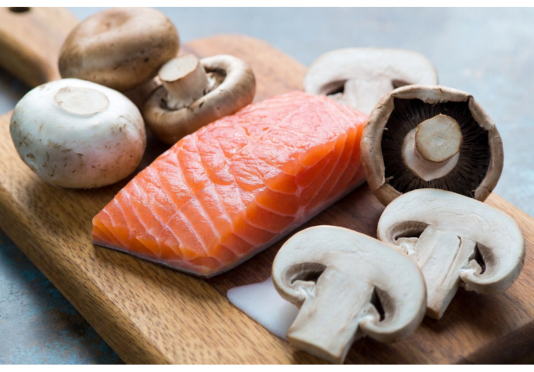
In summary, while mushrooms represent an innovative way to obtain vitamin D without animal products, the D2 they provide is biochemically and clinically inferior to the D3 abundant in animal-based foods. Meta-analyses, official health authority summaries, and targeted human trials consistently demonstrate D3’s superior ability to elevate and sustain serum 25(OH)D. For optimal results, prioritize safe sun exposure where possible, incorporate fatty fish, eggs, or liver regularly, and consider D3 supplementation when needed. Mushroom D2 can complement these strategies but should not be viewed as the primary or most effective dietary option. Consulting a healthcare provider for personalized testing and recommendations remains essential, especially for those with deficiency or absorption issues.
Footnotes and References
¹ Office of Dietary Supplements, National Institutes of Health. Vitamin D - Health Professional Fact Sheet. Updated 2025. https://ods.od.nih.gov/factsheets/VitaminD-HealthProfessional/
² Lehmann U, et al. Bioavailability of Vitamin D2 and D3 in Healthy Volunteers, a Randomized Placebo-Controlled Trial. J Clin Endocrinol Metab. 2013;98(11):4339-4345.
³ Tripkovic L, et al. Comparison of vitamin D2 and vitamin D3 supplementation in raising serum 25-hydroxyvitamin D status: a systematic review and meta-analysis. Am J Clin Nutr. 2012;95(6):1357-1364.
⁴ Cardwell G, et al. A Review of Mushrooms as a Potential Source of Dietary Vitamin D. Nutrients. 2018;10(10):1498.⁵ Starck C, et al. Mushrooms: a food-based solution to vitamin D deficiency to include in dietary guidelines. Front Nutr. 2024;11:1384273.
⁶ Pinto JM, et al. Assessing the impact of a mushroom-derived food ingredient on vitamin D status in healthy volunteers. J Int Soc Sports Nutr. 2020;17(1):54.
⁷ Keegan RJH, et al. (referenced via Boston University School of Medicine study). Photobiology of vitamin D in mushrooms and its bioavailability in humans. 2013 (and related Holick-group findings on mushroom D2 equivalence in specific trials).