The Hidden Danger in Your Morning Glass: How Orange Juice’s Defensive Toxins Threaten Eye Health
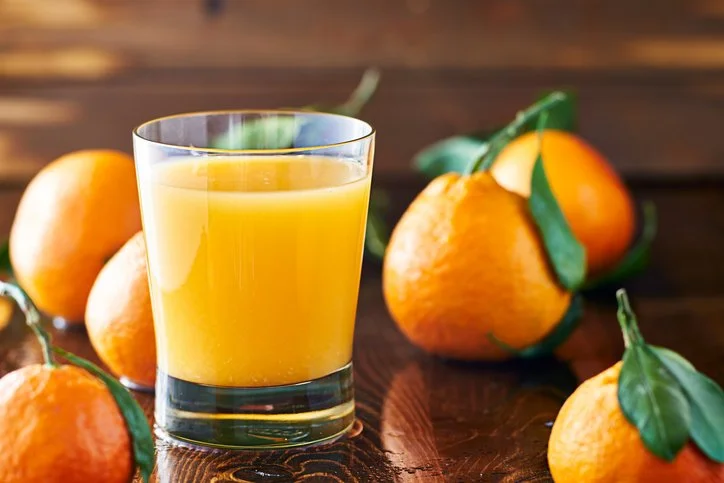
This is my third installment regarding sun exposure and the health effects. For decades, public-health messages have portrayed fruits and vegetables as nutritional saints—antioxidant-rich, fiber-packed, and essential for preventing chronic disease. Orange juice, in particular, has received near-universal praise as a convenient way to boost vitamin C intake, despite the five teaspoons of sugar in a glass. Yet a growing body of research on plant secondary metabolites paints a more nuanced picture. Plants do not produce these compounds for our benefit; they manufacture them as chemical weapons to discourage insects, animals, and even microbes from consuming them. One striking example involves orange juice and its potential to harm the eye.
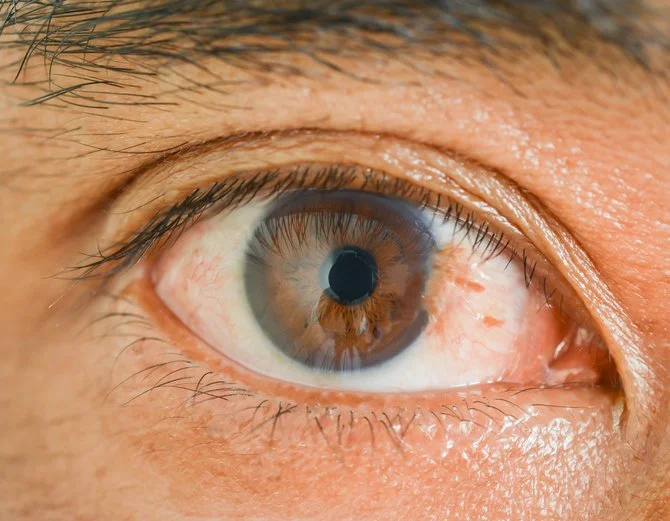
In 2021, ophthalmologists documented a rare but instructive case of acute corneal endothelialitis following direct exposure to orange-rind juice. A 21-year-old man accidentally splashed the juice into his right eye and failed to rinse it immediately. Within hours, he developed redness, watering, photophobia, and blurred vision. Clinical examination revealed corneal edema secondary to endothelial damage. The authors concluded that the juice's chemical components had permeated the corneal stroma, disrupting the endothelial pump mechanism and causing stromal swelling.¹ While this was a case of topical contact rather than ingestion, it demonstrates that substances naturally present in oranges can be directly cytotoxic to ocular tissue.
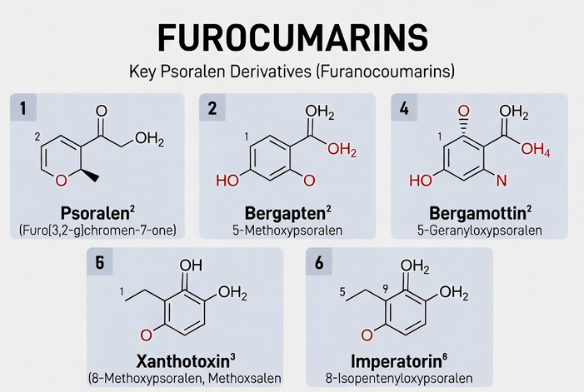
The primary culprits belong to a class of compounds called furocoumarins (also known as furanocoumarins or psoralens). These linear furanocoumarins—such as bergapten, bergamottin, and psoralen derivatives—are found in varying concentrations in citrus fruits, including oranges, with higher levels often concentrated in the peel and rind.² Citrus juices and extracts have been analytically shown to contain measurable furocoumarins, although orange juice generally has lower concentrations than grapefruit or lime.³ The mechanism of toxicity is well-characterized: furocoumarins intercalate into DNA strands. Upon exposure to ultraviolet A (UVA) radiation (320–400 nm), they form covalent cross-links between pyrimidine bases, triggering cell-cycle arrest, apoptosis, or mutagenesis. In skin, this produces the classic phytophotodermatitis reaction—blistering, hyperpigmentation, and delayed burns. In the eye, the same phototoxic cascade can damage corneal epithelial and endothelial cells, leading to keratitis, persistent edema, and, in severe or repeated exposures, secondary complications that compromise lens clarity.

Systemic exposure to psoralens has an even more direct link to cataractogenesis. The therapeutic use of 8-methoxypsoralen (8-MOP) combined with UVA (PUVA therapy) for psoriasis has long been known to increase cataract risk when patients do not wear UV-blocking eyewear. Psoralens readily penetrate the lens, where UVA activation causes protein cross-linking and opacification of the crystalline lens fibers.⁴ Although dietary intake from occasional orange juice is orders of magnitude lower than therapeutic doses, the biochemical principle remains: these plant-derived molecules are phototoxic and lens-penetrating. Chronic or high-level consumption, especially among individuals with high UVA exposure (e.g., outdoor workers, frequent sunbathers), could theoretically contribute to cumulative lens damage over decades.
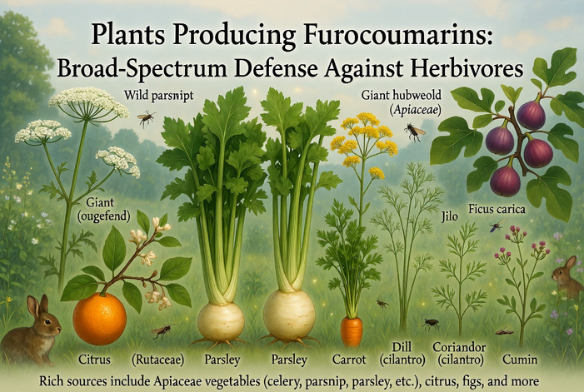
Nor is orange juice unique. Many plants produce furocoumarins as a broad-spectrum defense against herbivores. Vegetables in the Apiaceae family are particularly rich sources: celery, parsnip, parsley, carrot tops, dill, coriander, and cumin all contain psoralens and related coumarins.⁵ Celery juice or essential oil has been implicated in phytophotodermatitis outbreaks, and direct ocular contact with these plants' juices can produce corneal epithelial defects or stromal haze analogous to the orange-rind case. Wild parsnip and giant hogweed (both in the Apiaceae family) contain even higher concentrations and have caused documented ocular burns requiring medical intervention. Figs (Ficus carica) and certain members of the Rutaceae family (beyond citrus) likewise harbor these compounds. The evolutionary logic is clear: by synthesizing light-activated toxins, plants turn sunlight itself into a weapon against would-be eaters.
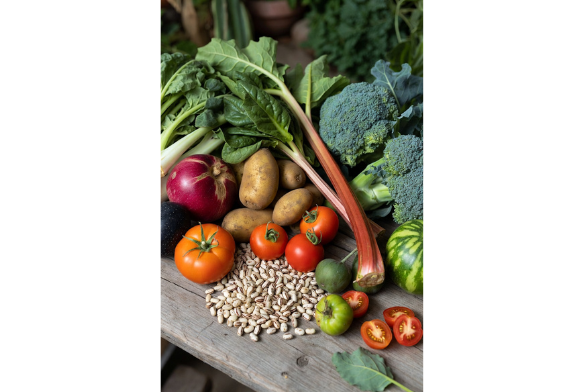
This pattern repeats across the plant kingdom. Many common fruits and vegetables contain secondary metabolites that have been explicitly evolved to deter consumption. Read my post from 2022 for more on plant-based toxins. Potatoes and tomatoes produce glycoalkaloids (solanine and tomatine) that disrupt cell membranes and inhibit acetylcholinesterase. Spinach and rhubarb are high in oxalates, which bind minerals and can precipitate renal damage. Legumes contain lectins and protease inhibitors that impair protein digestion and intestinal barrier function. Cruciferous vegetables harbor goitrogens that interfere with thyroid hormone synthesis. Grains and seeds defend themselves with phytates that chelate zinc, iron, and calcium. These chemicals are not trace contaminants; the plant purposefully manufactures them. In high enough doses or with chronic exposure, they can produce measurable toxicity in humans—gastrointestinal distress, nutrient malabsorption, inflammation, and, as we have seen, ocular pathology.
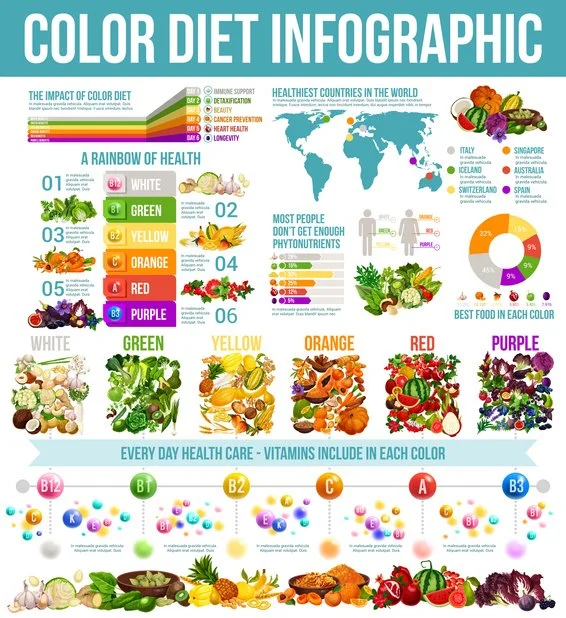
The irony is profound. While public-health authorities and dietary guidelines have spent decades urging us to "eat the rainbow" and reduce animal foods because of purported links to heart disease, cancer, and inflammation, the very plant foods being promoted are chemically armed against consumption. In contrast, muscle, organ, egg, fish, and dairy products from animals do not synthesize these defensive secondary metabolites. Animals rely on mobility, armor, or behavioral defenses rather than phytochemical warfare. Animal-based foods are essentially free of the anti-nutrients and phototoxins that plants deploy. A steak or an egg contains bioavailable protein, heme iron, B12, choline, and DHA without the accompanying chemical baggage designed to discourage predation.
I do not suggest that all plants are poisonous or that modest consumption is dangerous for everyone. Human physiology has adapted to many of these compounds through cooking, fermentation, and varied diets. Yet the narrative that fruits and vegetables are uniformly "perfect" dietary items is an oversimplification. For susceptible individuals—those with compromised gut barriers, high sun exposure, or genetic variations in detoxification enzymes—the cumulative burden of plant defensive toxins may contribute to chronic low-grade issues, including ocular degeneration. Meanwhile, the vilification of animal foods has persisted despite their nutritional density and absence of these inherent toxins.
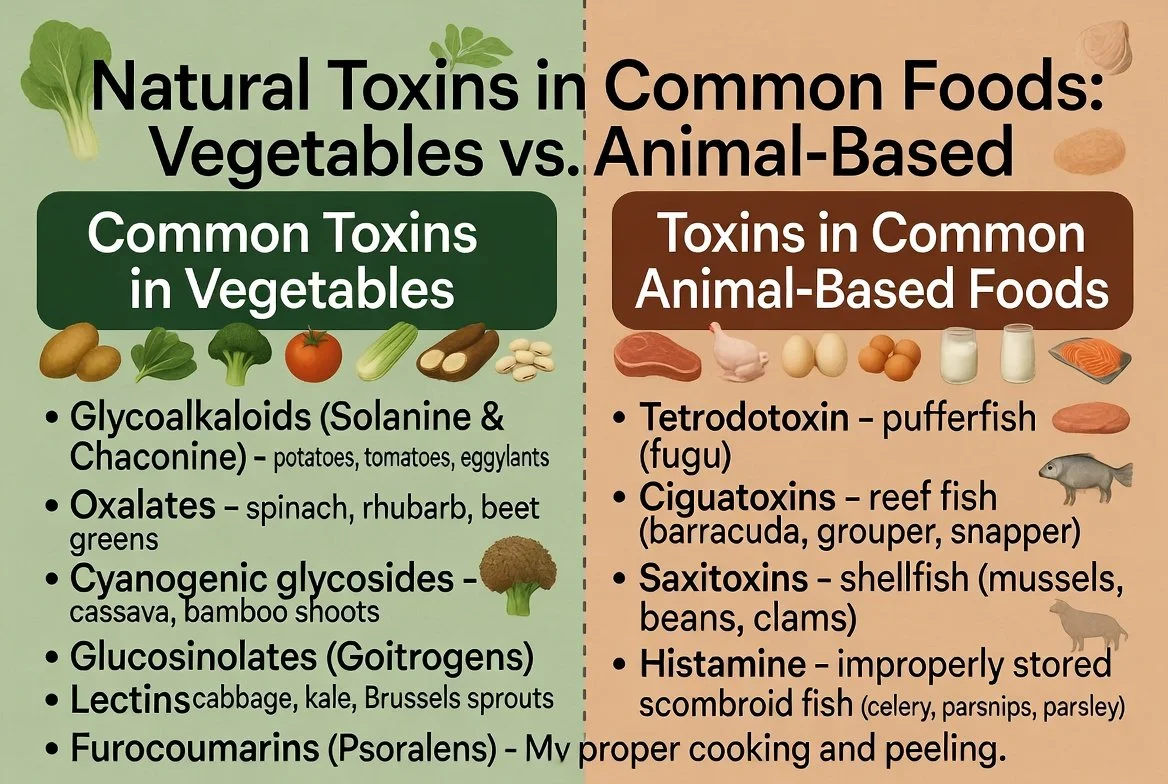
Emerging voices in nutrition science are questioning the plant-centric paradigm. Research on carnivore-style diets, though still limited in long-term randomized trials, consistently reports improvements in autoimmune markers, mental clarity, and digestive health among self-selected adherents—outcomes plausibly explained by the elimination of plant secondary metabolites. At the very least, the existence of these compounds invites a more balanced conversation: fruits and vegetables offer vitamins, minerals, and fiber, but they are not risk-free. Animal foods, long maligned, may offer a cleaner, toxin-light alternative for certain populations. The list above shows that while some toxins are present in animal-based foods, many are produced by infectious bacteria in shellfish (Saxitoxins), some are produced by algae the fish eat (Ciguatoxins), and a few are produced by poison glands (Tetrodotoxins). The animals listed are uncommonly eaten, while the plants on the list are abundant in our diets.
In short, the next time you reach for a glass of orange juice, remember it is not merely a vehicle for vitamin C. It is also a dilute solution of the very chemicals the orange tree evolved to keep animals from eating its fruit. It is also a sugar bomb, containing five teaspoons of the stuff! The same holds for celery sticks, parsley garnish, or a side of spinach. Recognizing this biochemical reality does not require abandoning plants entirely, but it does demand intellectual honesty. The "perfect" diet may not be the one that maximizes plant volume; it may instead be the one that minimizes unnecessary exposure to defensive toxins while maximizing nutrient density—qualities that, ironically, animal-based foods deliver without the chemical countermeasures. As I always advise, eat a whole-food-based diet including animal-based foods with their inherent fats, while avoiding processed foods, especially processed grains and seed oils.
Footnotes
¹ Orange-Rind juice induced endothelialitis. Indian Journal of Ocular Oncology and Oculoplasty, 2021. Available at: https://ijooo.org/archive/volume/6/issue/4/article/6929 (case of direct splash causing endothelial damage and corneal edema).
² Gorgus E, et al. Limettin and furocoumarins in beverages containing citrus juices or extracts. Food Chemistry, 2010.
³ Kaiser I, et al. The Impact of Dietary Intake of Furocoumarins and Furocoumarin-Rich Foods on the Risk of Cutaneous Melanoma. Nutrients, 2025. (confirms presence in orange juice and citrus products).
⁴ Malanos D, et al. Psoralen plus ultraviolet A does not increase the risk of cataracts when eye protection is used. Journal of Investigative Dermatology, 2007 (establishes mechanistic link between psoralens and lens opacification under UVA).
⁵ Bruni R, et al. Botanical Sources, Chemistry, Analysis, and Biological Effects of Furanocoumarins. Molecules, 2019 (reviews distribution in Apiaceae family and phototoxic mechanism).