Chewing the Wrong Food is Devastating, Swallowing it Can be Fatal

On average, people spend about 60 to 90 minutes each day eating, which translates to approximately 15 to 30 minutes with food in their mouths. While this might seem like a small portion of the day, the impact of the food we consume on our oral health can be significant. But what happens once we swallow our food? The consequences extend far beyond the mouth, affecting our entire body in ways that are often devastating. I will explore the profound effects of diet on both oral and overall health and highlight the importance of a whole-food diet devoid of processed carbohydrates and vegetable oils.
The Devastating Effects of Food on Oral Health

The foods we eat can have immediate and severe impacts on our oral health. Processed carbohydrates, in particular, are notorious for causing cavities and gum disease. These foods break down into simple sugars in the mouth, providing a feast for harmful bacteria. These bacteria produce acids that erode tooth enamel, leading to cavities. Gum disease, or periodontal disease, occurs when the bacteria infect the tissues supporting the teeth, leading to inflammation, gum recession, and even tooth loss.
Vegetable oils, erroneously considered healthier alternatives, can also contribute to oral health problems. These oils are high in omega-6 fatty acids, which can promote inflammation throughout the body, including the gums. Chronic inflammation in the gums can exacerbate other systemic diseases like diabetes and heart disease, making them harder to treat and more damaging in the long run.
Beyond the Mouth: The Prolonged Effects of Food on Our Bodies
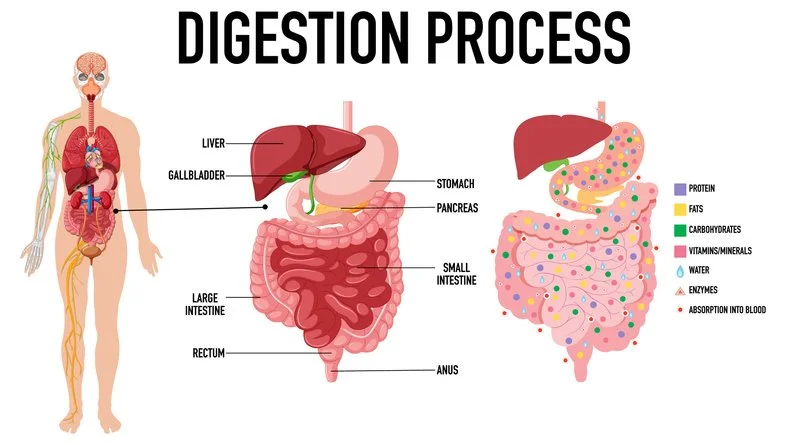
While the immediate impact of food on our oral health is concerning, the long-term effects of diet on our overall health are even more alarming. Once food is swallowed, it enters a complex digestive system where nutrients are broken down, absorbed, and used for energy or stored for future use. The quality of the food we consume directly influences this process and can lead to various chronic diseases.
The Rise of Chronic Diseases

Over the last 125 years, there has been a dramatic rise in chronic diseases such as obesity, diabetes, heart disease, Alzheimer's disease, and cancer. Much of this increase can be attributed to changes in our diet, particularly the consumption of processed carbohydrates and vegetable oils.
1. Obesity and Diabetes: The prevalence of obesity and diabetes has skyrocketed in recent decades. Processed carbohydrates and sugars contribute to rapid spikes in blood glucose levels, leading to insulin resistance and type 2 diabetes. Additionally, excess glucose is converted into fat, contributing to obesity. This vicious cycle of high blood sugar and insulin resistance creates a metabolic environment conducive to weight gain and diabetes.
2. Heart Disease: Heart disease remains the leading cause of death worldwide. The consumption of vegetable oils high in omega-6 fatty acids has been linked to increased inflammation and oxidative stress, both of which are critical factors in the development of heart disease. Additionally, processed carbohydrates contribute to unhealthy lipid profiles, further increasing the risk of cardiovascular problems.
3. Alzheimer's Disease: Alzheimer's disease, often referred to as type 3 diabetes, has been linked to insulin resistance and chronic inflammation. Diets high in processed carbohydrates and vegetable oils contribute to these conditions, increasing the risk of cognitive decline and dementia.
4. Cancer: Certain cancers have been associated with diets high in processed foods and low in essential nutrients. The inflammatory properties of omega-6 fatty acids in vegetable oils can promote an environment that supports cancer growth and metastasis. Additionally, high blood sugar levels and insulin resistance create metabolic conditions favorable to cancer development.
The Clue in Oral Health
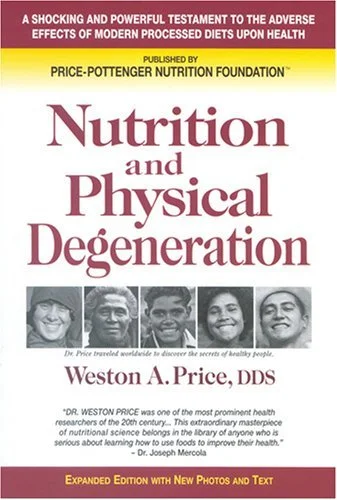
The damage caused by poor dietary choices is often first visible in the mouth. The famous dentist Weston A. Price noted this in the 1920s and 30s. You can get his book here. The development of cavities and gum disease from consuming processed carbohydrates and inflammatory oils should serve as a warning sign. If such foods can cause visible damage in the short time they spend in our mouths, imagine the harm they continue to inflict once swallowed and assimilated into our bodies.
The Best Diet for Optimal Health

The key to preventing these chronic diseases and maintaining overall health lies in adopting a whole-food diet. Such a diet focuses on consuming foods in their natural state, free from processing and artificial additives. Here are the main components of a healthy diet:
1. Whole Foods: Emphasize fresh fruits, vegetables, nuts, and seeds to a limited degree. These foods provide essential nutrients, fiber, and antioxidants that support overall health.
2. Animal-Based Foods: Include high-quality animal products such as grass-fed meats, wild-caught fish, and pasture-raised eggs. These foods are rich in essential amino acids, healthy fats, fat-soluble vitamins, and micronutrients that are difficult to obtain from plant sources alone.
3. Natural Fats: Choose fats from natural sources such as olive oil, coconut oil, avocado, and fatty cuts of meat. Be careful with olive oil; it can be tainted with vegetable oil. This guide can help you find high-quality olive oil. These fats provide energy and support cellular health without the inflammatory effects of vegetable oils.
4. Avoid Processed Carbohydrates and Sugars: Limit the intake of refined grains, sugars, and processed snacks. These foods contribute to insulin resistance, weight gain, and chronic inflammation.
5. Eliminate Vegetable Oils: Avoid oils high in omega-6 fatty acids, such as soybean, corn, and sunflower oil. Instead, use oils with a better omega-3 to omega-6 ratio, like olive oil and avocado oil.
Conclusion
The visible damage to our oral health caused by processed carbohydrates and vegetable oils should be a clear indicator of the broader harm these foods inflict on our bodies. By adopting a whole-food diet that excludes these harmful substances, we can protect our oral health and reduce the risk of chronic diseases such as obesity, diabetes, heart disease, Alzheimer's disease, and cancer. The best diet is one that is rich in whole foods and natural fats, including high-quality animal products, and free from processed carbohydrates and vegetable oils. This approach not only promotes overall health but also ensures that our bodies are equipped to burn energy efficiently rather than storing it as fat.