Conquering Hunger: Healing Metabolism with Whole Foods and Lifestyle Wisdom
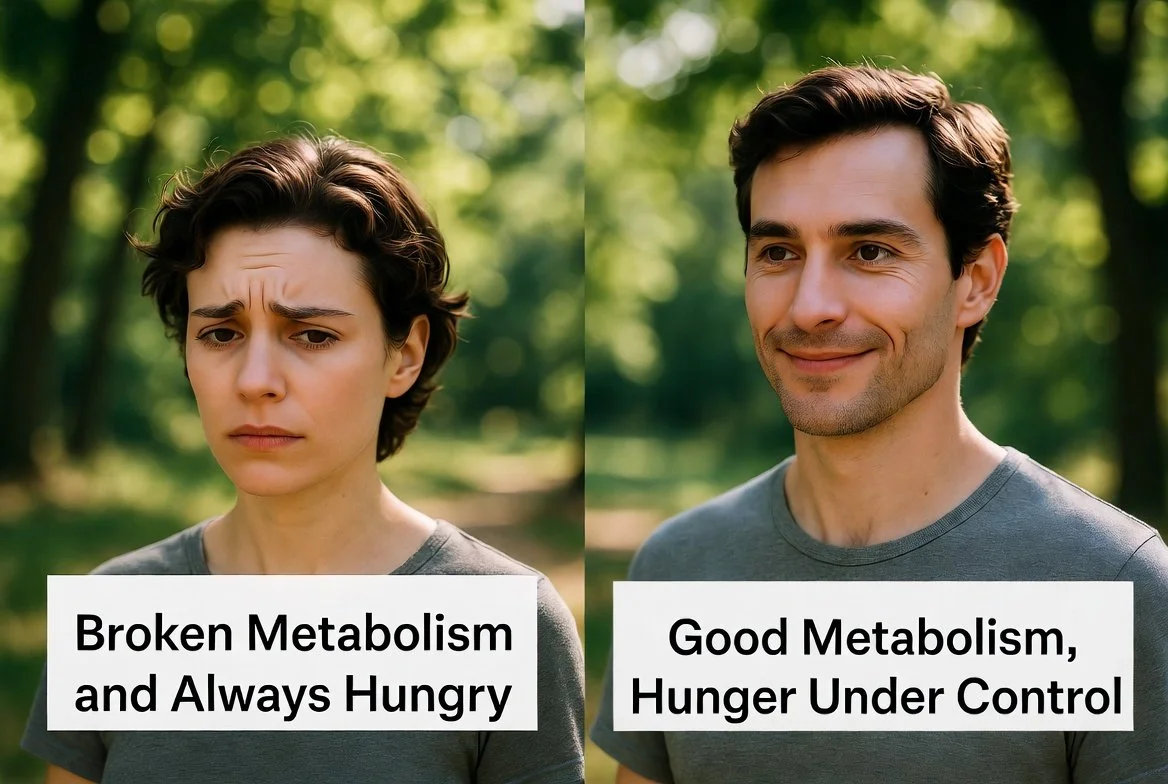
The U.S. dietary guidelines' pivot to whole foods signals a much-needed correction in public health advice. For decades, the focus on low-calorie restriction demonized fats and proteins, pushing carbs and "low-fat" alternatives that left most Americans with dysfunctional metabolisms. Hunger feels like a constant battle, but it's not inevitable. From my observations, personal journey, and watching others' eating habits, this stems from diets that deprive the body while overloading it with harmful elements. True weight-loss targets excess fat, not valuable muscle, which is often lost on crash diets, weakening the body and further slowing metabolism. Hunger is miserable—intolerable over time—explaining why dieters regain weight, blaming weak willpower when the real issue is unsustainable starvation.
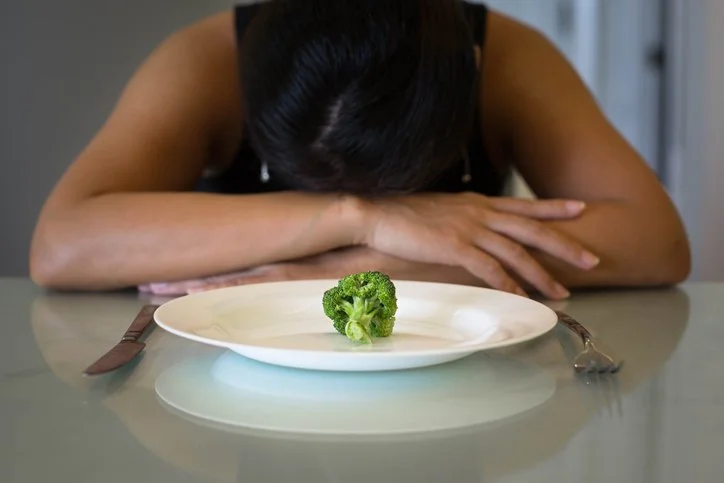
Studies highlight how low-calorie diets intensify hunger, making long-term success rare. Participants on high-protein, low-glycemic diets report reduced hunger and better satiety than those on typical regimens.[1] High-protein intake sustains appetite suppression and lowers ad libitum calories, aiding steady weight loss without forced restriction.[2] Conversely, low-fat or calorie-restricted plans increase cravings and dissatisfaction.[3] High-protein snacks boost satiety hormones such as GLP-1 and CCK more than high-fat snacks do.[4] These insights reveal perpetual hunger as a metabolic signal of poor nutrition, not a personal failing.

Whole-food diets shine by naturally reducing calories without effort. Switching to unprocessed foods like meats, eggs, veggies, and nuts automatically leads to lower intake. A key randomized trial found that ultra-processed diets led to 500+ extra calories per day and weight gain, while whole-food versions prompted effortless cuts and weight loss.[5] People eat more and faster when consuming processed foods due to reduced satiety.[6] Prioritizing quality over counting yields superior long-term outcomes, as whole foods satisfy deeply.[7]
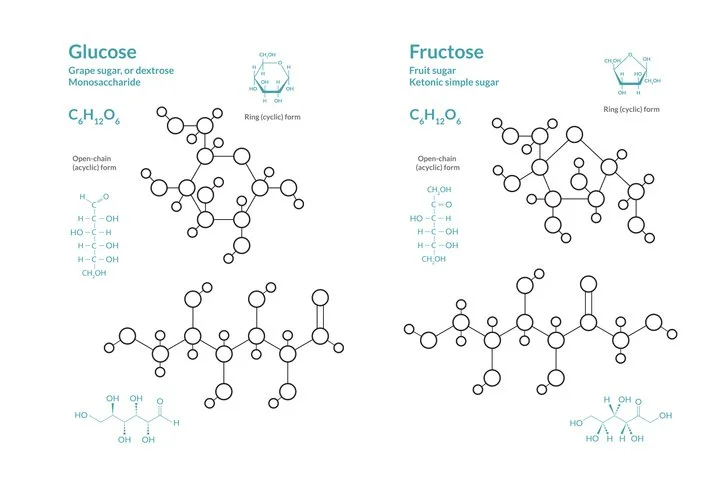
Fructose, a five-carbon sugar, rather than a normal six-carbon sugar, is rampant in table sugar (half fructose) and high-fructose corn syrup, undermining this. Unlike glucose, fructose isn't usable as energy by most cells; the liver processes it, converting excess to fat.[8] Dose-dependent links show high intake boosts liver fat, impairing insulin and fueling non-alcoholic fatty liver disease (NAFLD).[9] HFCS-sweetened drinks sometimes worsen hepatic fat and risk factors compared with sucrose-sweetened drinks.[10] Over the years, this accumulation hampers energy production, favoring storage.
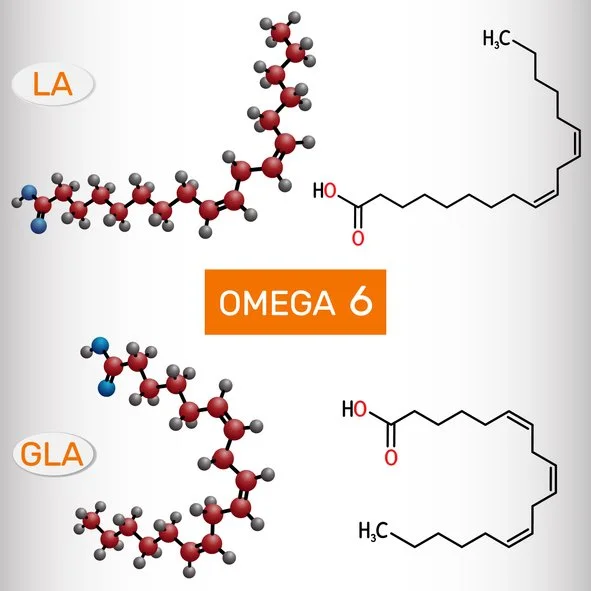
Omega-6 fatty acids from oils like soybean and corn similarly drive weight gain, as humans can't efficiently burn them. Excess promotes fat buildup and inflammation.[11] High omega-6/omega-3 ratios increase body fat in studies through metabolic shifts.[12] Both fructose and omega-6s damage mitochondria, tilting cells toward growth (fat storage) over energy burning.
Dr. Robert Lustig notes cells must "grow at one time in its life versus burn at another time—but never both."[13] Compromised mitochondria from these toxins prioritize growth, as evidenced by age-related fat gain as a damage marker.
Dr. Chris Knobbe explains how omega-6 fatty acids become embedded in cell membranes, leading to oxidative stress and mitochondrial dysfunction.[14] This sparks chronic inflammation, the root of metabolic ills. Knobbe links ultra-processed, oil-heavy foods to displacing nutrients, amplifying toxicity, and diseases like obesity.[15]Hunger signals an energy deficit, but a healthy metabolism burns stored fat seamlessly. Recovery takes time—often a year, two, or more for severe cases.[16] Whole-food shifts gradually improve conditions like diabetes.[17] Patience is essential.

Yet obstacles such as poor sleep and chronic stress complicate this. Sleep deprivation slows metabolism, dropping resting calorie burn and spiking hunger hormones, leading to 200-500 extra calories daily.[18] It hampers fat loss by reducing post-meal satisfaction.[19] Stress elevates cortisol, promoting fat storage (especially abdominal), increasing appetite, and disrupting sleep—creating a vicious cycle.[20] High cortisol levels shift metabolism toward weight gain, making weight loss harder.[21] Addressing these—aiming for 7-9 hours of quality sleep and stress reducers like meditation—is key to metabolic healing.
We must focus on losing excess fat while preserving muscle, which boosts metabolism and strength. Adequate protein and resistance exercise during weight loss help retain muscle, avoiding the pitfalls of muscle-wasting diets.[22] Studies show that combining hypocaloric diets with adequate protein intake and physical activity helps maintain muscle mass.[23]
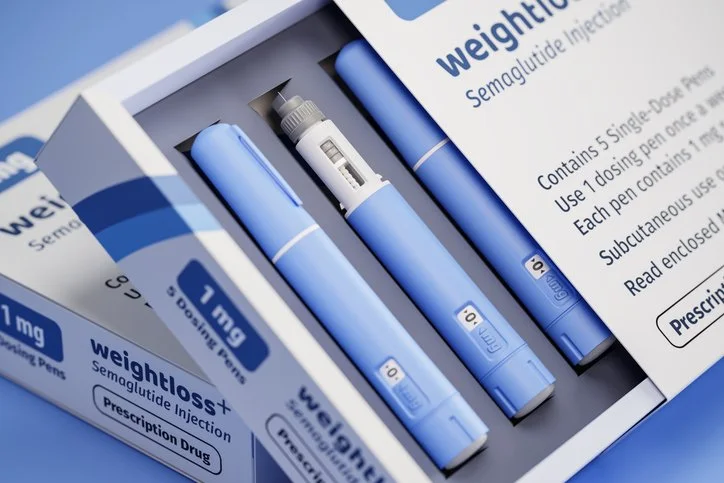
Preferably, avoid drugs like Ozempic (semaglutide) as lures. While curbing appetite short-term, risks include nausea, pancreatitis, kidney damage, and thyroid issues.[24] Long-term: muscle loss, imbalances, and "Ozempic face" from rapid fat drop.[25] It masks symptoms, ignoring roots like mitochondrial health.
Ultimately, whole foods rich in proteins and fats conquer hunger, restore balance, and enable intuitive eating. With patience and by managing sleep and stress, you'll shed fat sustainably, thrive energetically, and break deprivation's grip. Next week, I will continue on the subject of dieting and address calorie counting.
Footnotes
[1] High-protein diet: Sustained reductions in appetite, intake, weight - https://www.sciencedirect.com/science/article/pii/S0002916523295076
[2] High-Protein, Low GI Diet Suppresses Hunger, Not Weight Regain - https://www.frontiersin.org/journals/nutrition/articles/10.3389/fnut.2021.685648/full
[3] The Effects of Increased Protein Intake on Fullness: A Meta-Analysis - https://www.jandonline.org/article/S2212-2672%2816%2900042-3/abstract
[4] Protein Consumption: Appetite & GI Hormones (Meta-Analysis) - https://pubmed.ncbi.nlm.nih.gov/32768415/
[5] Ultra-Processed Diets Cause Excess Calorie Intake and Weight Gain - https://www.sciencedirect.com/science/article/pii/S1550413119302487
[6] Ultra-Processed Diets Cause Excess Calorie Intake and Weight Gain - https://pubmed.ncbi.nlm.nih.gov/31105044/
[7] Ultraprocessed or minimally processed diets following healthy - https://www.nature.com/articles/s41591-025-03842-0
[8] Fructose and NAFLD: The Multifaceted Aspects of Fructose - https://pmc.ncbi.nlm.nih.gov/articles/PMC5372893/
[9] The Contribution of Dietary Fructose to Non-alcoholic Fatty Liver - https://pmc.ncbi.nlm.nih.gov/articles/PMC8637741/
[10] High-fructose feeding does not induce steatosis or non-alcoholic - https://www.nature.com/articles/s41598-021-82208-1
[11] Biochemical Battle: Influence of Omega-6 Fatty Acids on the - https://www.mdpi.com/1467-3045/47/8/645
[12] An Increase in the Omega-6/Omega-3 Fatty Acid Ratio Increases the - https://pmc.ncbi.nlm.nih.gov/articles/PMC4808858/
[13] Best Quotes Of Metabolical With Page Numbers By Robert H. Lustig - https://www.bookey.app/book/metabolical/quote
[14] Seed Oils, Omega-6 PUFAs, Inflammation, Obesity, Diabetes - https://mindandmatter.substack.com/p/seed-oils-omega-6-pufas-inflammation
[15] The 'Displacing Foods of Modern Commerce' Are the Primary and - https://www.sciencedirect.com/science/article/abs/pii/S0306987717305017
[16] Metabolic adaptation delays time to reach weight loss goals - https://pmc.ncbi.nlm.nih.gov/articles/PMC8852805/
[17] How Long Does Metabolic Adaptation Take? - https://intervalweightloss.com/articles/how-long-does-metabolic-adaptation-take
[18] Sleep Deprivation: Effects on Weight Loss and Weight Loss - https://pmc.ncbi.nlm.nih.gov/articles/PMC9031614/
[19] Sleep deprivation may lead to slower metabolism, weight gain - https://www.psu.edu/news/research/story/sleep-deprivation-may-lead-slower-metabolism-weight-gain
[20] Cortisol and Your Waistline: The Unseen Battle - https://www.torrancememorial.org/healthy-living/blog/cortisol-and-your-waistline-the-unseen-battle/
[21] How Too Much Stress Can Cause Weight Gain (and What to Do - https://www.orlandohealth.com/content-hub/how-too-much-stress-can-cause-weight-gain-and-what-to-do-about-it/
[22] Preserving Healthy Muscle during Weight Loss - https://pubmed.ncbi.nlm.nih.gov/28507015/
[23] Preserving Healthy Muscle during Weight Loss - https://www.sciencedirect.com/science/article/pii/S2161831322006810
[24] Possible Side Effects of Ozempic ® (semaglutide) Injection - https://www.ozempic.com/how-to-take/side-effects.html
[25] 19 Ozempic and Wegovy Side Effects You Should Know About - https://www.goodrx.com/ozempic/semaglutide-side-effects